
Empowering Smallholders: Transforming Agriculture through Task-Oriented Context Models
Task Oriented Context Models for Social Life Networks
The paper introduces a "Task Oriented Context Model" designed for Social Life Networks (SLN) to provide farmers with localized, timely information via mobile devices. Focusing on the Sri Lankan agricultural sector, the system identifies user context through active tasks to filter relevant static (ontological) and dynamic (real-time) data.
TL;DR
Information is the most valuable fertilizer in modern agriculture. This paper presents a novel Task-Oriented Context Model integrated into a Social Life Network (SLN). By mapping a farmer's physical location and current activity (e.g., crop selection) to structured domain knowledge, the system provides hyper-local, stage-specific advice that aims to eliminate the destructive cycle of crop overproduction.
Background: The Information Deficit in Farming
In developing nations like Sri Lanka, farmers often work in an information vacuum. Without knowing what their neighbors are planting, everyone cultivates the same crop, leading to market gluts and plummeting prices. While smartphones are now ubiquitous, the information available on the web is often too generic. A farmer doesn't need a general weather report; they need to know if a specific pest is trending in their district during the planting stage.
The authors argue that the missing link is Contextual Intelligence. Current systems fail because they don't understand the "Why" and "When" of a user's information request.
Methodology: The Three Layers of Context
The core innovation lies in how the system interprets the user's situation through a hierarchical model:
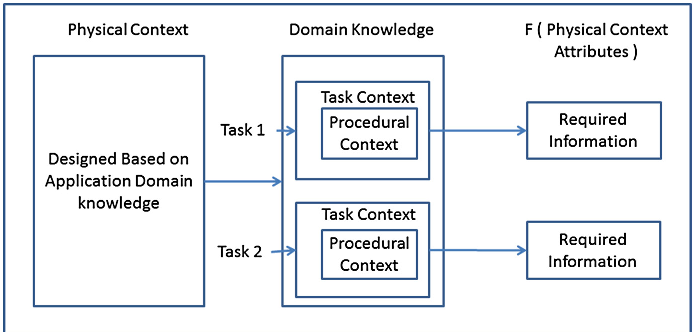
1. Physical Context
Captures raw data—GPS coordinates, time of day, and user profile. However, raw GPS data is useless to a farmer unless it represents a specific "farm unit" or "agro-ecological zone."
2. Task Context
Identifies the current stage of the farming lifecycle:
- Crop Choosing (The current prototype focus)
- Growing
- Harvesting
- Post-Harvesting
3. Procedural Context (The Magic Link)
This layer performs the mapping. It takes the Physical Context (GPS) and a Task (Market Price Enquiry) and determines that for this specific query, the GPS should be translated into an Administrative District to pull the correct market data.
Architecture of a Social Life Network (SLN)
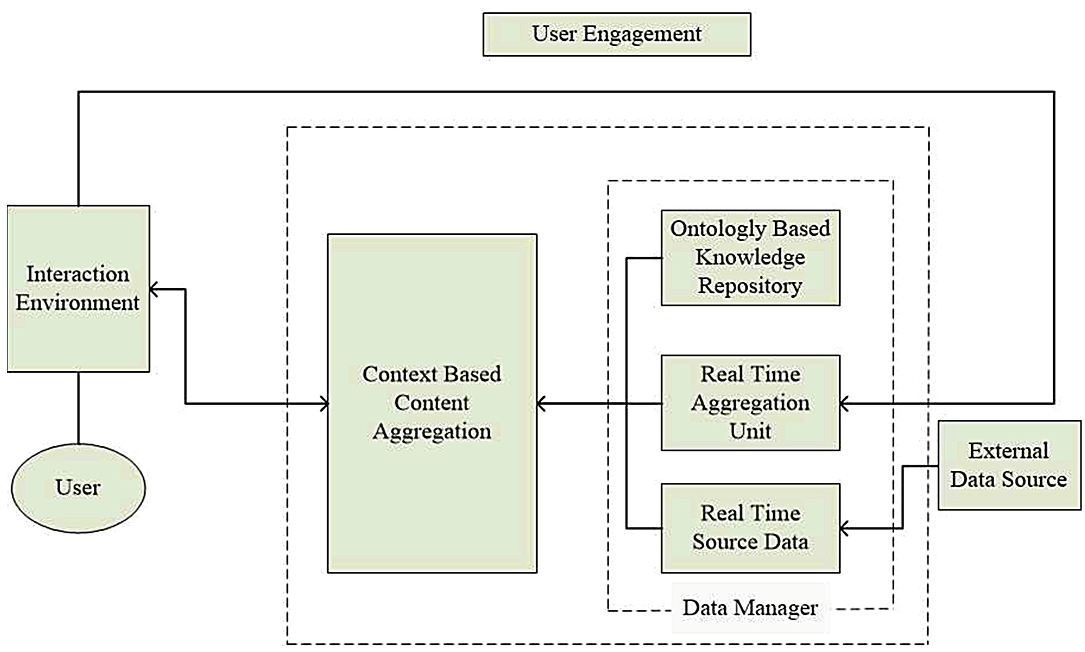
The SLN isn't just a database; it is a living ecosystem consisting of four modules:
- Interaction Environment: A persona-based UI designed for farmers.
- Context-Based Content Aggregation: The "engine" that uses the procedural knowledge described above.
- Data Manager: Bridges static Ontologies (expert knowledge about fertilizers/pests) with dynamic Web Services (market prices/weather).
- User Engagement: Uses "Social Incentives." When a farmer reports their crop choice, they get access to a heat map of what others are planting—creating a win-win data exchange.
Experimental Results: Real-World Feasibility
The authors tested an Android prototype with Sri Lankan farmers focusing on the Crop Selection phase. The system used a simple but effective visual "traffic light" system:
- Red: High cultivation of this crop in your area (Risk of low price).
- Green: Low cultivation (Opportunity).
Key Findings:
- 63% Participation: Most farmers found the context-specific data essential and superior to their current haphazard methods.
- Dynamic Updating: The system proved it could capture "micro-information" (individual farmer choices) and aggregate it in real-time to benefit the whole community.
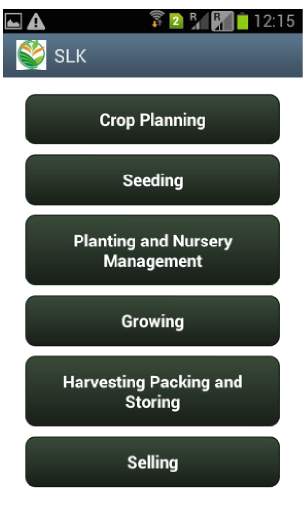 Figure: (a) Farm Selection, (c) Crop Selection through the SLN interface.
Critical Insight: Beyond Content to Context
This paper shifts the focus from Content Management (what we store) to Context Management (how we retrieve it). The use of Ontologies to structure agricultural knowledge ensures that the system is not just a search engine, but a decision-support tool.
However, a limitation remains: the system relies heavily on manual user input for dynamic cultivation data. The future of SLNs likely involves integrating satellite imagery or IoT ground sensors to automate the "Physical Context" capture, reducing the burden on the farmer.
Conclusion
By treating a task as a context-driver, this work provides a blueprint for building "Social Life Networks" that can go beyond social media and solve real, existential economic problems in the developing world.