
The Digital Soul: Why We Need to Teach the "End of Life" Perspective in Social Media
Teaching about the Impacts of Social Networks: An End of Life Perspective
This paper explores the intersection of social networking and "Thanatechnology," focusing on the long-term implications of digital artifacts from an end-of-life perspective. Through a survey of college students and class discussions, the study identifies a significant gap in preparedness regarding digital legacies and advocates for specialized education in digital estate planning.
TL;DR
What happens to your Instagram, Twitter, and Facebook bits once you're gone? This paper argues that our "Digital Soul"—the collection of posts, photos, and links we leave behind—often becomes an accidental legacy. By surveying college students, researchers found a startling lack of preparedness regarding "Thanatechnology" (tech related to death) and a desperate need for education on how to bequeath or delete our digital lives.
The Invisible Problem: "Zombie" Profiles and Narrative Bits
Most college-aged users spend between 4 to 6 hours online daily, constantly generating what researchers call "Narbs" (Narrative Bits). These are small fragments of data—a comment here, a photo there—that aggregate to form a composite narrative of an individual.
The problem? Most users are "digital natives" but "legacy illiterates." They build these digital identities without considering their permanence. When a user dies, these profiles often remain active, creating a "digital ghost" that can be both a source of comfort for grieving friends and a source of distress if the content left behind is unprofessional or unintended as a final statement.
Methodology: Understanding the "Digital Native" Perspective
The authors surveyed undergraduate students, cross-referencing data from first-year seminar students and senior Computer Science majors. They aimed to identify:
- Awareness: Had they ever thought about their online content in the context of death?
- Preference: Would they want their pages to stay active or be wiped clean?
- Educational Need: Do they feel they know enough to handle this "digital estate"?
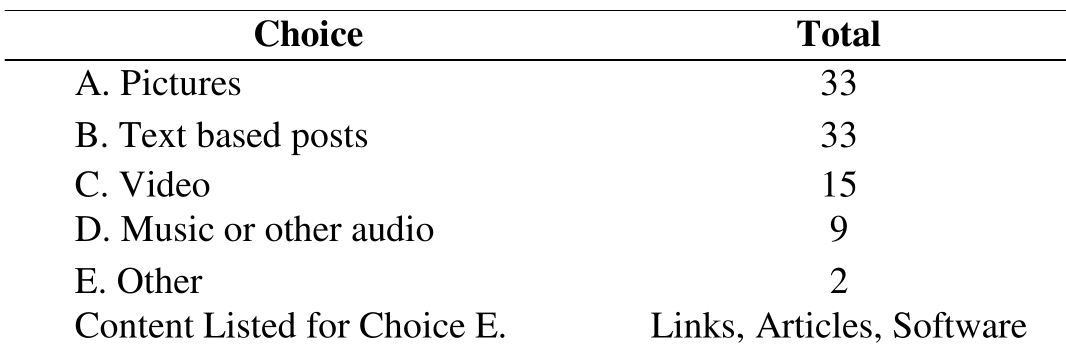
Key Insights: Privacy Over Legacy
The survey results challenge the idea that everyone wants to be "remembered" online indefinitely:
- The Deletion Preference: A striking 75.6% of students do NOT want their social networking pages to remain active after death.
- The Awareness Gap: Despite being heavy users, 73.2% had never considered protecting their digital content in the event of death.
- The Literacy Void: Only one student out of 41 had any form of documentation expressing their final wishes for digital assets.

Students were particularly divided on the concept of Virtual Memorials. While some found them a "nice way of remembering," others found them "creepy" or worried about being remembered "as just a Facebook profile" rather than a real person.
Methodology of the Future: Digital Estate Planning
The paper concludes that we must move beyond basic "netiquette" (how to be polite online) and embrace Thanatechnology education. The authors propose three critical questions every user should ask before posting:
- Is this content okay to be part of my permanent digital legacy?
- Does this specific content need protection (legal or privacy-wise)?
- How can my executor access this data to carry out my wishes?
Critical Analysis & Conclusion
This work is a necessary wake-up call for the academic and tech worlds. While Silicon Valley builds tools for "connection," it has been slow to build tools for "conclusion."
Limitations: The sample size is relatively small (N=41) and limited to a single geographical area. Student attitudes in 2026 may differ significantly from those in earlier years as platforms like Facebook and Instagram have introduced "Memorialization" features.
Final Takeaway: Our digital artifacts are more than just data; they are the "digital soul" we leave behind. Educating students on how to manage this legacy is just as important as teaching them how to code or communicate online. We need to start planning for the "End of Life" of our data today.