
Techno Generation: Decoding the Social Networking Revolution in South Africa
Techno Generation: Social Networking amongst Youth in South Africa
This exploratory research investigates the rapid diffusion of "new media" (Internet and mobile phones) among South African adolescents. Using a judgmental sampling of secondary schools, it identifies Facebook and the local mobile app MXit as dominant social networking platforms, marking a shift from information seeking to interpersonal communication.
TL;DR
This study reveals a massive generational disconnect in South Africa’s digital adoption. While the country at large lagged in Internet penetration during the late 2000s, adolescents achieved over 85% connectivity. Driven by local innovations like MXit and global giants like Facebook, South African youth effectively bypassed traditional media, transforming the Internet from a library into a 24/7 social hub—while simultaneously exposing themselves to significant "cyber-friend" risks.
The "Innovator" Gap: Why Adults Were Wrong
In 2008, the prevailing narrative was that Africa was "offline," with only a 4.4% penetration rate. However, Basson et al. found that adolescents were not just using the Internet; they were reshaping their entire lifestyles around it. The motivation for this study stems from the realization that Western models of digital adoption didn't account for the unique South African mobile-first surge.
Methodology: A Glimpse into the Pretoria Youth
The researchers targeted five schools in the City of Tshwane, surveying 490 learners. This exploratory approach sought to understand not just if kids were online, but what they were doing. The study identified a crucial pivot: the shift from Information Seeking (homework) to Interpersonal Communication (socializing).
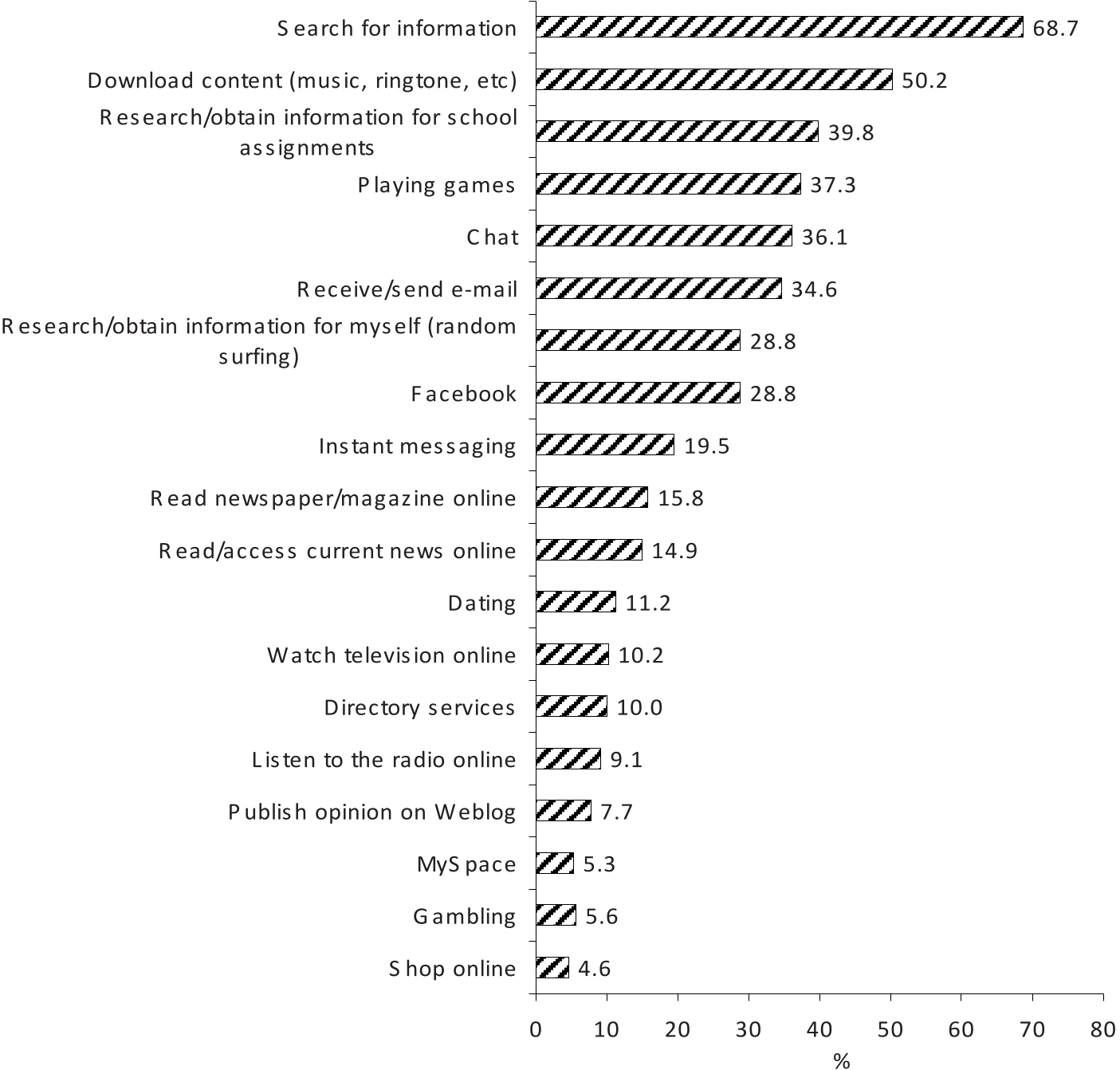 Figure 1: While information access remains high, 'Chatting' and 'Facebook' emerged as core pillars of daily life.
The Rise of MXit and Facebook
The study highlights the fierce competition between global platforms and local heroes.
- Facebook: The king of photo-sharing and group chats.
- MXit: A South African-developed mobile instant messenger that became the "standard feature" of adolescent life due to its low cost and high ubiquity on cell phones.
Performance Comparison: Social Network Activities
The table below illustrates how Facebook dominated specific social tasks compared to MySpace and YouTube.
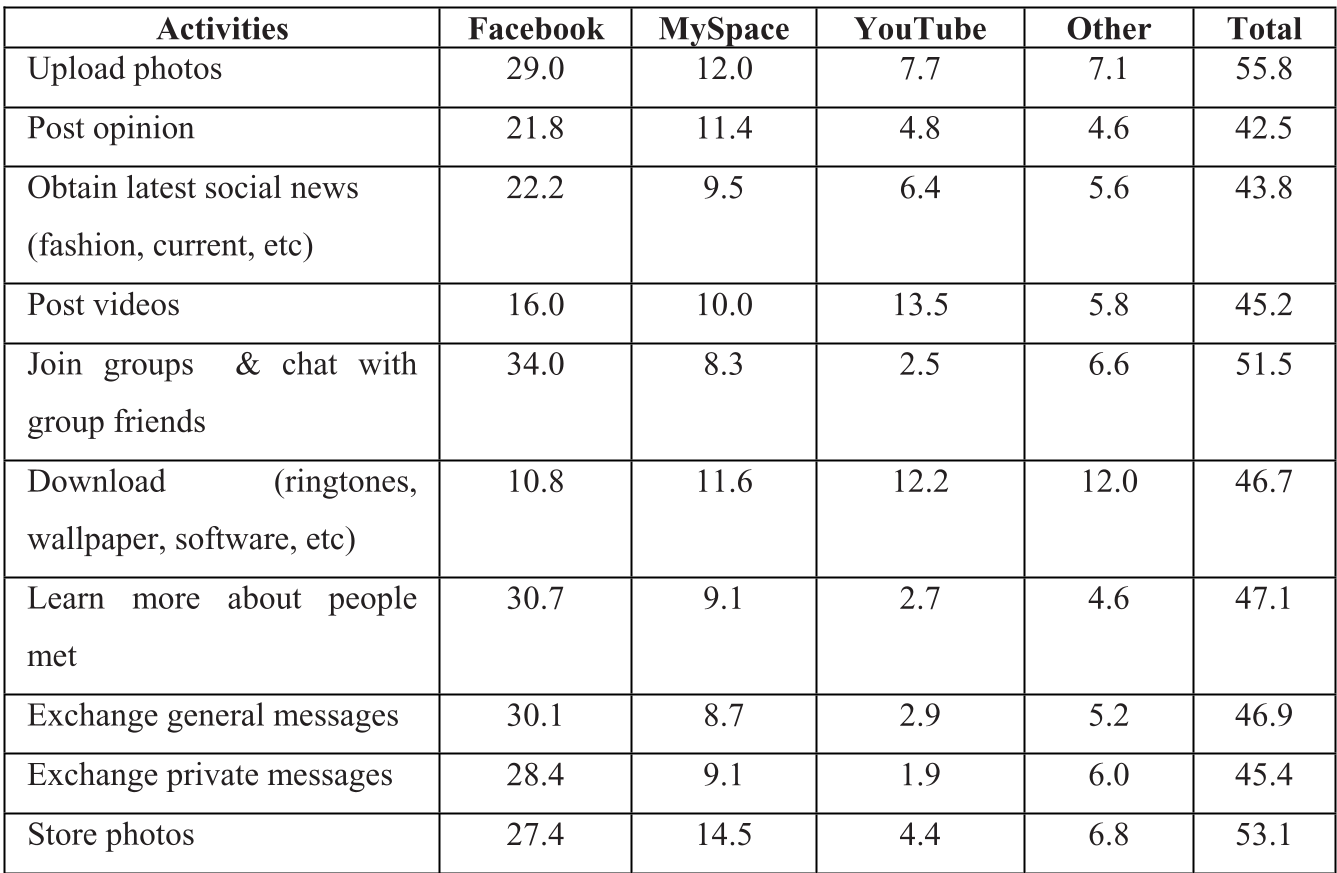
Interestingly, the data shows that 51.5% of users were joining groups and chatting, but more alarming is the 36.3% who confirmed meeting "cyber friends" in person, and the 42.2% who experienced upsetting approaches online.
Critical Insight: The Emotional Utility of MXit
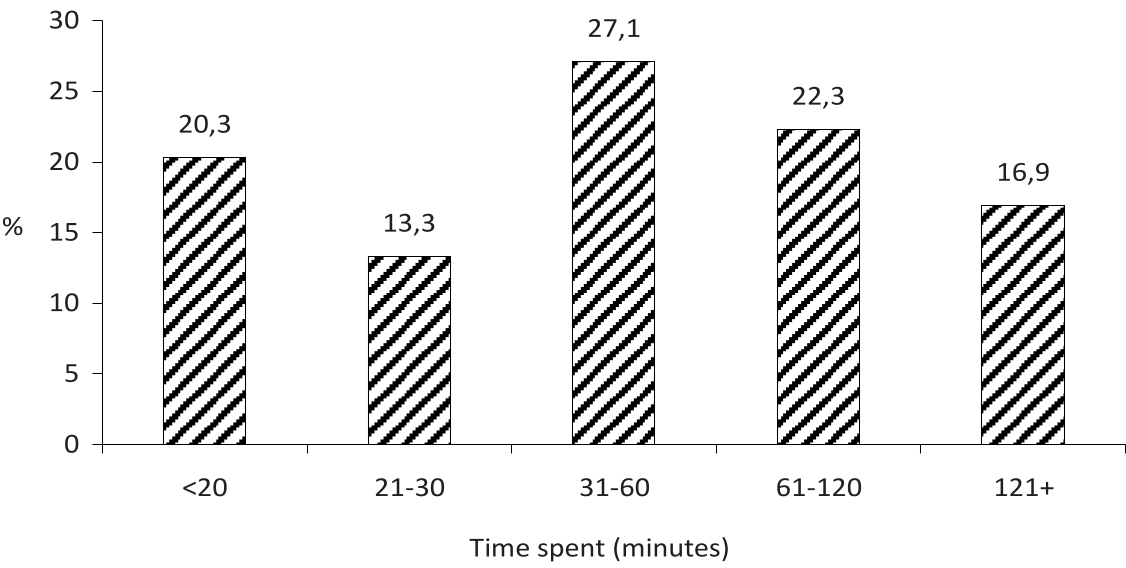
One of the most profound takeaways is the time spent on MXit. Adolescents spend an average of 68 minutes per day talking to friends and nearly 49 minutes talking to romantic partners met via the platform. This suggests that new media serves a vital psychological role during the emotionally turbulent adolescent years, acting as a "safe space" for identity formation—provided the risks are managed.
Conclusion and Future Outlook
The "Techno Generation" is characterized by rapid adaptation. However, the study concludes with a stern warning: Protection is lagging behind Innovation. As South African youth continue to lead digital adoption, the implementation of adequate child protection measures (regarding sexual exploitation and harmful content) is no longer optional—it is a societal imperative.
Future Work: The authors intend to broaden the study to investigate the "Digital Divide" across different socio-economic settings in South Africa, ensuring that the benefits of the new media aren't confined only to affluent urban centers.