
Dynamic Portals: Bridging Academic Social Networks and Faculty Service Platforms
University Teacher Service Platform Integrated with Academic Social Network
This paper introduces a University Teacher Service Platform that integrates academic social networks (specifically SCHOLAT) to streamline faculty information management. It features a highly customizable portal model that allows colleges to build professional teacher homepages from scratch in approximately 30 minutes.
TL;DR
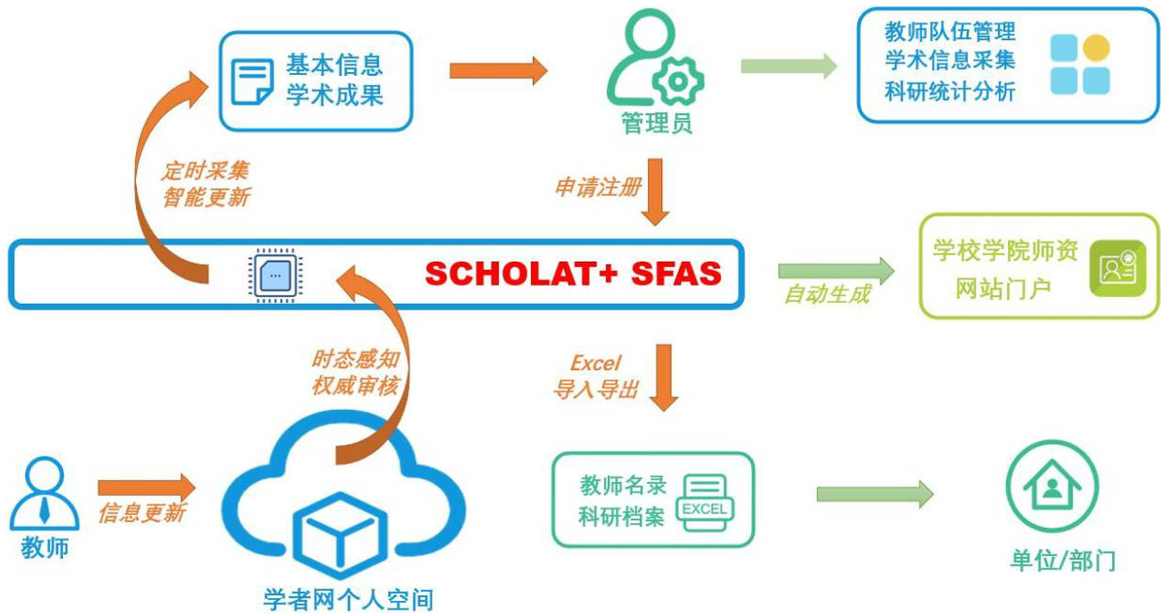
Managing teacher profiles in universities has long been a manual, fragmented headache. This paper presents a novel service platform that syncs directly with SCHOLAT (an academic social network), utilizing dynamic update algorithms and text similarity models to keep faculty information authoritative and real-time. It transforms the "static website" into a "living data stream."
Problem & Motivation
The "Ivory Tower" often suffers from digital silos. Traditionally, when a professor publishes a paper, they must manually update their personal page on the college website, their department’s portal, and various social networks. This lead to:
- Stale Data: Profiles often remain unchanged for years.
- Redundancy: Admins and teachers waste hours re-entering the same metadata.
- Lack of Customization: A "one-size-fits-all" template fails to capture the unique disciplinary nuances of different colleges.
The authors' insight is simple but powerful: Don't force teachers to update the portal—sync the portal to where the teachers already are.
Methodology - The Core
1. The Multi-Level Node Model
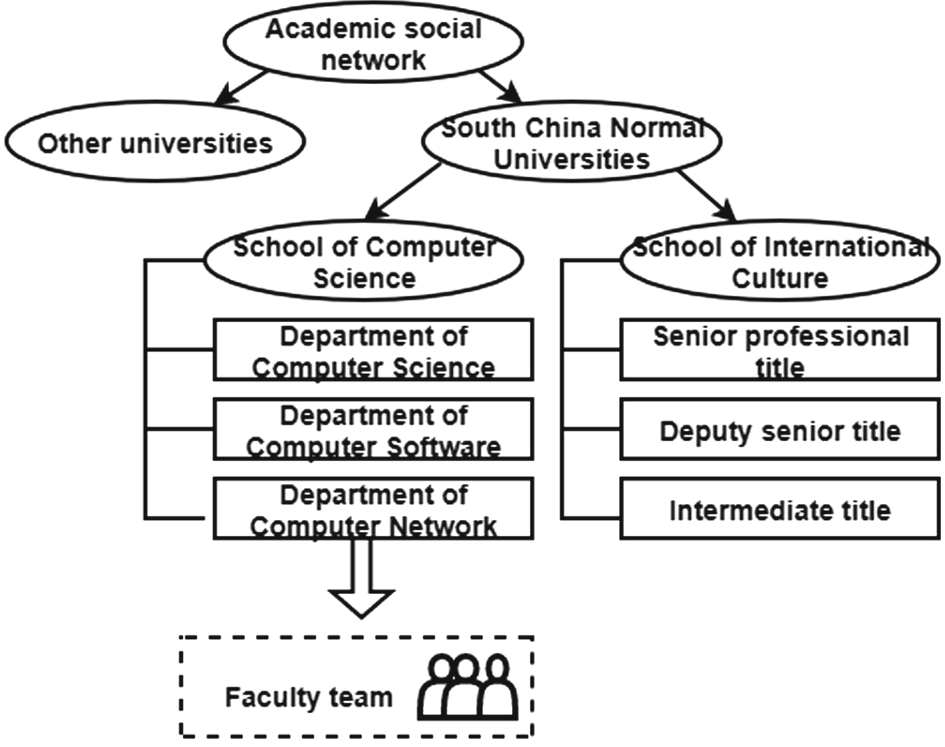
The system replaces the traditional flat structure with a hierarchy centered on the Academic Social Network (ASN).
- Level 1 (Root): ASN (SCHOLAT) acts as the data source.
- Level 2-5: University → College → Column → Teacher.
This structure allows data to "flow" from the root to the individual teacher nodes automatically.
2. Algorithmic Heavy Lifting
To ensure the platform isn't just a mirror but an intelligent service, three key algorithms are employed:
- DSPT-ID (Dynamic Shortest Path): Used for rapid message reminders and state updates, ensuring that when data changes on SCHOLAT, the portal reflects it with minimal latency.
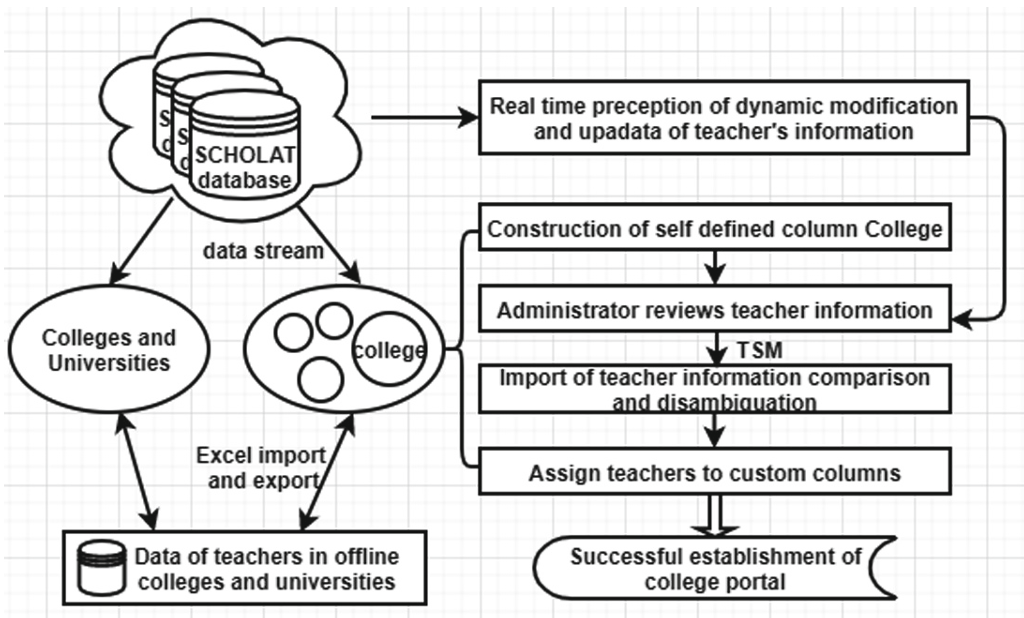
- TSM (Text Similarity Measure): Solves the "Entity Disambiguation" problem. If a teacher is imported via Excel and already exists on the ASN, TSM identifies the overlap to prevent duplicate "ghost" profiles.
- LDA + TF-IDF: A hybrid recommendation engine. By analyzing research interests (Latent Dirichlet Allocation) and keyword frequency (TF-IDF), the system suggests 8 related scholars on each profile to foster interdisciplinary collaboration.
Experiments & Results
The system was trialed across several colleges with impressive operational benchmarks:
- Efficiency: Setting up a complete, customized college portal takes less than 30 minutes.
- Automation: Batch updates are scheduled for 1 a.m. daily, requiring zero human intervention.
- User Engagement: Background data shows high usage of the "Related Scholars" feature, indicating successful discovery of academic peers within the institution.
Critical Analysis & Conclusion
Takeaway
The shift from Manual Entry to Social Syncing is the future of institutional ERPs. This platform demonstrates that the "Academic Social Network" is not just for networking—it is a critical infrastructure for university information management.
Limitations
While the association with SCHOLAT is robust, the paper does not extensively discuss Data Privacy controls for teachers who might want different levels of visibility on the ASN versus the official University Portal. Furthermore, integration with global ASNs (like ORCiD or Google Scholar) would further enhance its scalability.
Future Work
The authors plan to increase functional diversification. We anticipate that adding Knowledge Graphs to visualize the LDA results could turn these portals from mere directories into powerful strategic tools for mapping a university's research impact.