
Urban Computing: Transforming Cities into Living Digital Laboratories
14701_Guest Editors' Introduction Urban Computing.
This paper introduces the foundational concepts of Urban Computing, a field emerging from the integration of pervasive sensing and actuation into semi-public urban spaces. It outlines the transition from small-scale private deployments (like smart homes) to large-scale, socially-driven urban ecosystems such as NAVITIME and cellular-based urban sensing.
TL;DR
This seminal work marks the shift of pervasive computing from controlled environments—like forests or smart homes—into the chaotic, semi-public realms of the city. By exploring large-scale navigation systems and cellular data analysis, the authors provide a blueprint for how technology can adapt to the shifting social and physical textures of urban life.
Problem & Motivation: Beyond the Smart Home
For decades, pervasive computing was "easy." It happened in labs, smart rooms, or remote rural areas where the environment was stable and ownership was clear. The Urban Setting, however, is a nightmare for traditional deployment.
The authors identify three core friction points:
- Stakeholder Complexity: You can't just place a sensor on a street corner; you need permission from dozens of owners and city agencies.
- High Dynamism: People enter and leave urban spaces in unpredictable waves, changing usage patterns between day and night.
- Physical Obscurity: Skyscrapers create "urban canyons" that kill GPS signals, and underground systems create connectivity black holes.
Methodology: Designing for the "Semi-Public" Realm
The authors argue that we shouldn't just "invent" new gadgets; we should look at how people already use technology. They point to the "appropriation" of Bluetooth for peer-to-peer content swapping in UK pubs as a prime example of a socially-driven network that grew without designer intervention.
Key Pillars of the Approach:
- Pedestrian-First Navigation: Moving the focus from car-based GPS to pedestrian-centric systems like Japan's NAVITIME, which integrates timetables, pricing, and even carbon footprints.
- Cellular Ethnography: Instead of deploying new sensors, the methodology advocates for using "Cellular Censuses"—analyzing the existing ebb and flow of mobile traffic to understand city utilization.
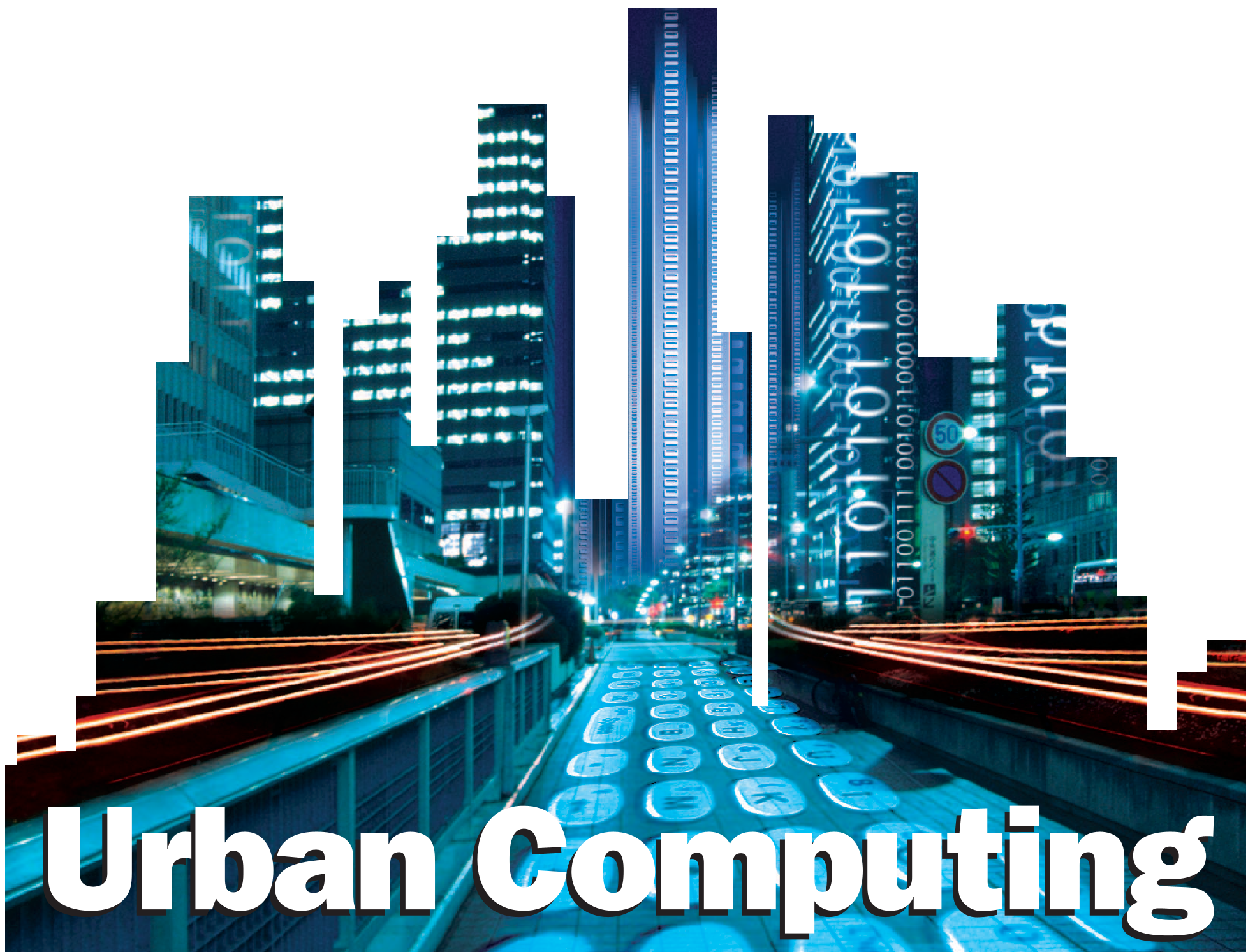 Figure 1: The vision of integrating technology into every day urban settings.
Experiments & Case Studies: Rome and Tokyo
The paper highlights two major real-world implementations that prove urban computing is no longer theoretical:
- NAVITIME (Tokyo): Supporting 2 million users, this system represents a massive achievement in pedestrian HCI. It successfully navigates the loss of GPS under tall buildings and adapts to the dense Japanese transit infrastructure.
- Cellular Census (Rome): By partnering with wireless carriers, researchers mapped Rome’s "social heartbeat." They identified how residential areas differ from commercial zones based purely on mobile traffic volume.
 Figure 2: The diverse facets of urban computing, from navigation to social interactions.
Critical Analysis & Conclusion
The most striking insight from this work is the warning regarding the "Digital Divide." One contributor, Jennifer Thom-Santelli, notes that if urban computing only serves those who can afford the latest PDAs or mobile phones, it risks exacerbating gentrification and social exclusion.
Takeaways:
- The City is a Context: We shouldn't design for "users," but for "citizens" within a specific architectural and social context.
- Privacy vs. Insight: While cell data offers a goldmine of urban insights, it raises significant ethical questions about tracking populations.
- Legacy: This work paved the way for modern "Smart Cities," but reminds us that the value of a city lies in its diversity, not just its connectivity.
Future Outlook
As we move toward 2026, the challenges of ownership and signal loss remain, but the "appropriation" of tech—now seen in the gig economy and social media-driven urban events—confirms the authors' early intuition: the city is the ultimate platform for technical and social innovation.