
Foursquare vs. The World: Why Geosocial Networks are the New Gold Standard for Tourism Data
Analysis of Usability of Various Geosocial Network POI in Tourism
This study evaluates the usability of Points of Interest (POI) data in tourism by comparing Geosocial Networks (GSNs) against traditional electronic information sources. Using data from Facebook, Foursquare, and Google Places APIs across 12 Czech and Slovak cities, the research identifies Foursquare as the most comprehensive source for hospitality data.
TL;DR
Is your travel app's data actually accurate? This research proves that traditional map services like Google Maps and Mapy.cz are lagging behind. By analyzing 12 cities, the study reveals that Foursquare captures up to 70% of real-world venues, significantly outperforming dedicated commercial maps. The verdict: Geosocial Networks (GSNs) are no longer just social tools; they are now the most reliable primary data sources for local tourism.
Background: The Dynamic Information Gap
In the world of "e-tourism," the value of a platform is defined by its completeness. Traditional databases often struggle with the "circular problem": they rely on official registrations or slow manual updates. Meanwhile, cities are dynamic—bars open and close, and festivals pop up overnight. The author posits that the "gamification" and user-driven nature of GSNs (like Foursquare and Facebook) allow for an exponential growth of high-structure data that traditional services simply cannot match.
Methodology: Ground Truth vs. Digital APIs
To put these networks to the test, the researcher didn't just sit behind a screen. The study combined:
- Field Research: Physical verification of every restaurant and bar within a 300m radius of the "plague column" (the historical center) of 12 different towns—ranging from metropolises like Bratislava to tiny villages like Železnice.
- API Data Mining: Extracting POI data through the technical interfaces of Facebook, Foursquare, and Google Places.
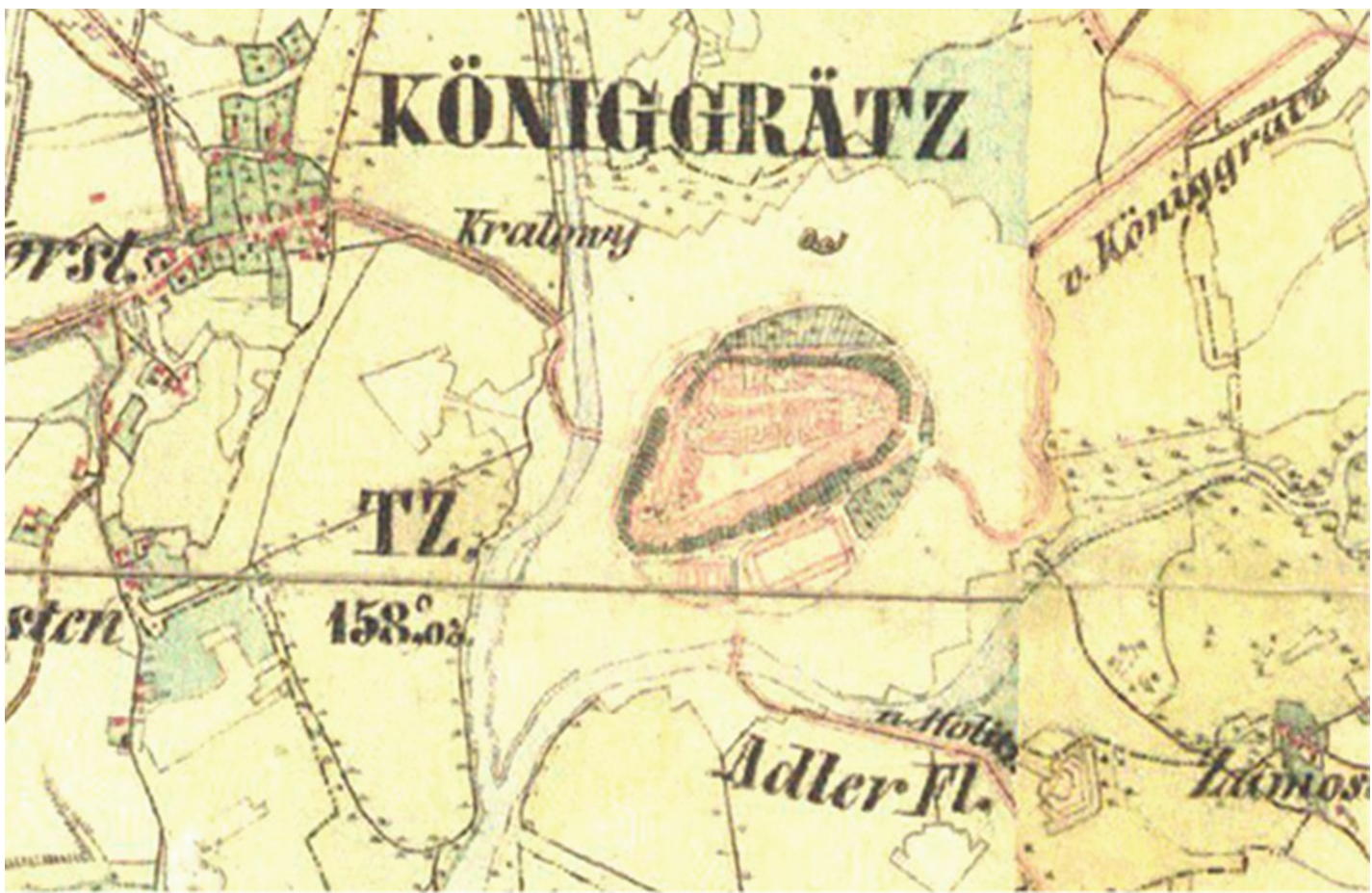 Fig 1: The study anchored its spatial analysis on historical city centers to ensure a fair comparison across different urban scales.
Methodology Detail: The API Logic
The study utilized specific Python/HTTPS GET requests to pull data. Interestingly, the researcher noted that Google Places API often returns different results than the consumer-facing Google Maps application, highlighting a discrepancy in how data is tiered for developers versus end-users.
Results: The Dominance of Foursquare
The findings were stark. In almost every category, GSNs provided better coverage than the Czech Republic's local giant, Mapy.cz.
- Foursquare: 70% Average Coverage.
- Google+/Places API: 62% Average Coverage.
- Google Maps: 61% Average Coverage.
- Facebook: 52% Average Coverage.
- Mapy.cz: 46% Average Coverage.
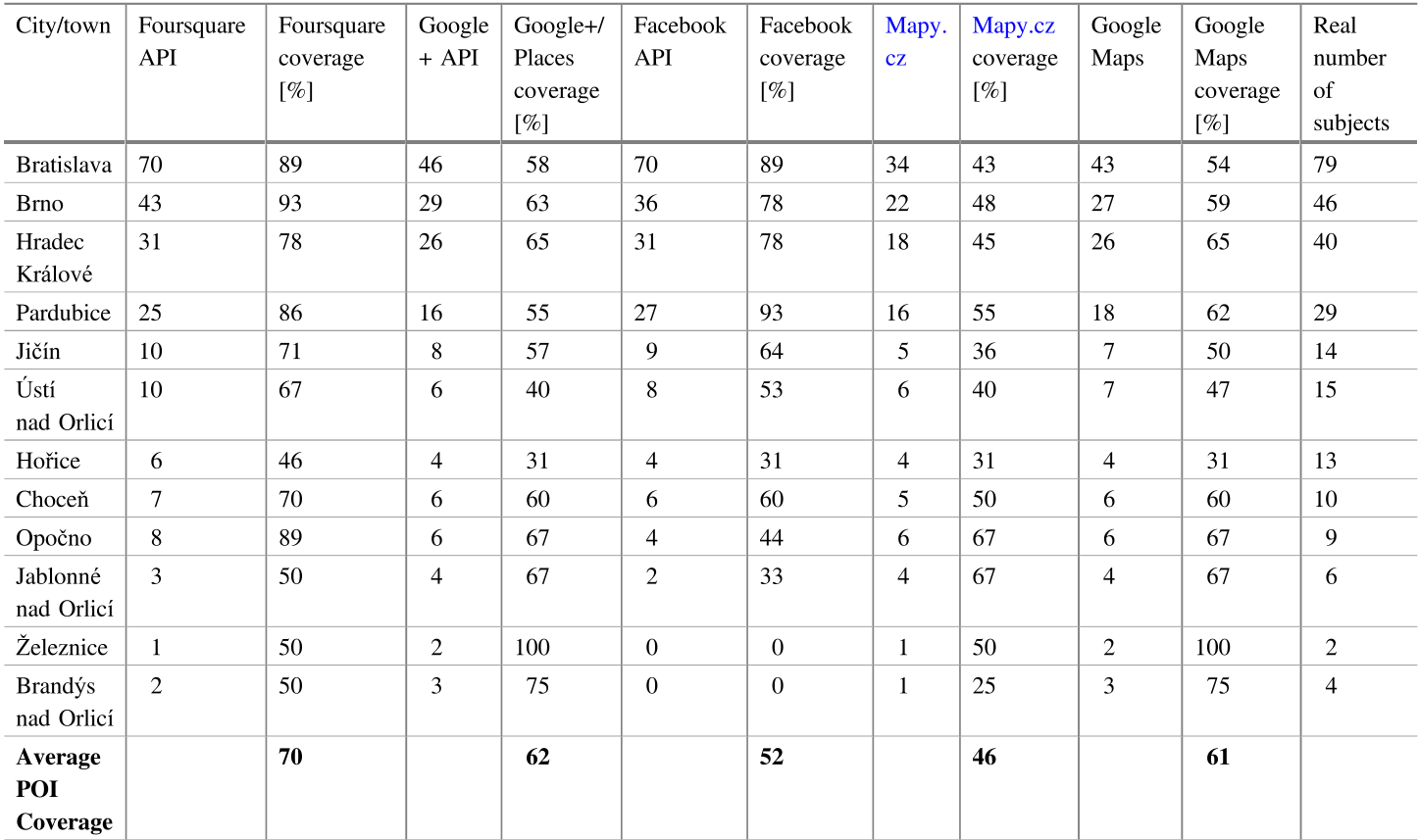 Table 1: Detailed coverage percentages across the 12 test cities. Note how Foursquare maintains high reliability even in medium-sized cities like Pardubice (86%).
One fascinating insight: In towns like Hořice, GSNs often "missed" sports bars or gambling dens. However, the author argues this is actually a feature, not a bug. Because GSN data is filtered by actual tourists and locals, irrelevant or "non-tourist" locations are naturally weeded out, increasing the "relevance" of the data for the intended user.
Critical Analysis & Conclusion
The study confirms a major shift in the tourism industry's infrastructure.
Key Takeaways:
- Crowdsourcing Wins: The "gamified" interaction of GSN users creates a more agile database than commercial entities.
- Foursquare's Resilience: Despite the rise of Instagram and TikTok, Foursquare’s underlying POI database remains the industry leader for structured geographic data.
- Limitations: The research notes that in very small villages (e.g., Brandýs nad Orlicí), all digital services struggle, with coverage dropping as low as 0-25%.
Future Outlook: For developers building the next generation of travel apps, the strategy is clear: Don't rely on a single map provider. The future of tourism lies in the aggregation of geosocial APIs to fill the gaps that traditional maps leave behind.
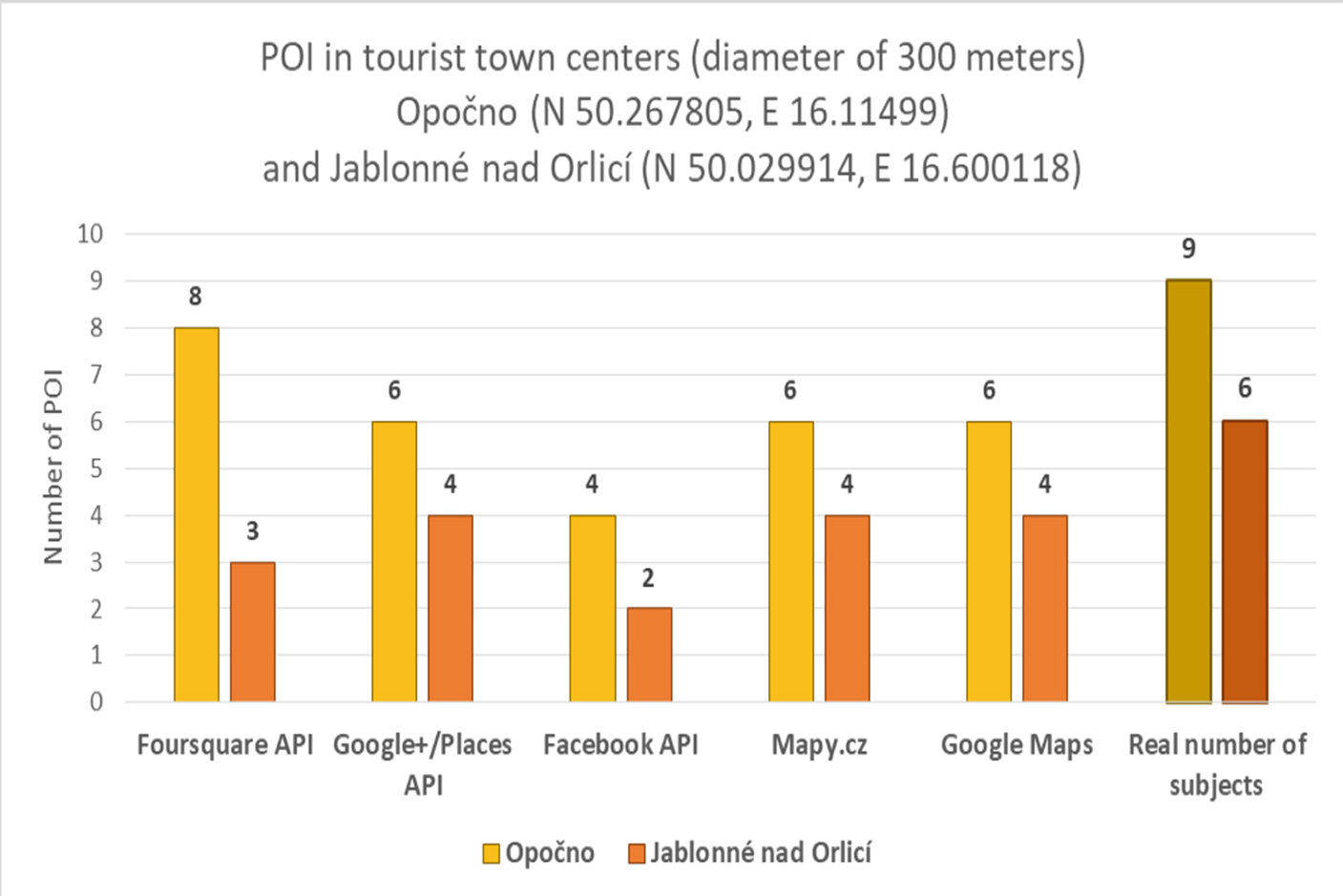 Fig 2: Comparison of POI density across different information sources, illustrating the "completeness gap" in traditional services.