
FaceTube: Bridging the Semantic Gap via Social Video Profiling
A social network for video annotation and discovery based on semantic profiling
The paper presents a social network-based video annotation and discovery system that integrates manual and automatic semantic profiling. By leveraging Facebook and DBpedia APIs, the system transforms user comments into structured semantic annotations, creating personalized interest profiles for content discovery.
TL;DR
The proliferation of video content has outpaced our ability to organize it. While YouTube and Facebook pioneered social sharing, their early tagging systems were shallow. This paper introduces a system that marries the Social Graph (Facebook) with the Web of Data (DBpedia/Wikipedia) to create a video platform where every comment becomes a semantic building block for a personalized discovery engine.
Strategic Position: This work acts as a bridge between early Web 2.0 social tagging and the structured Semantic Web, moving beyond "text strings" to "linked entities."
The Bottleneck: Why Global Tags Fail
Most users lack the patience to perform "Professional" annotation (like using LSCOM ontologies). Consequently, most videos only have general tags (e.g., "music," "concert").
- Specificity Gap: Users search for entities (specific people, specific places), but systems often recognize classes (person, building).
- Effort Gap: Manual frame-level tagging is a chore.
- Inaccuracy: Without a controlled vocabulary, user tags are often noisy or misspelt.
The authors' insight? Treat video comments as structured data opportunities. If a user mentions a friend or a topic, the system should automatically "ground" that mention in a global knowledge base.
Methodology: Social-Semantic Synergy
The system's architecture (shown below) relies on a hybrid approach that simplifies the "Social-to-Semantic" pipeline.
1. Unified Annotation Interface
The system introduces Status Tagging—a UX pattern we now take for granted but which was novel for cross-domain video context in 2012:
- @ symbol: Triggers a query to the Facebook Open Graph API to link specific people.
- # symbol: Triggers a SPARQL query to DBpedia to link Wikipedia resources/categories.
 Figure 1: The overall workflow showing the integration of Social Networks and the Web of Data.
2. The Semantic Backend
For unstructured comments, the system uses:
- GATE/Annie: To extract Named Entities (NER) like organizations or dates.
- LDA (Latent Dirichlet Allocation): To identify latent topics within a thread of comments.
- RDF Mapping: Using the ARC2 library, all annotations are serialized as RDF triples, making the video discoverable via SPARQL.
Experiments & Knowledge Discovery
The core value of the system is the Semantic Interest Profile. Instead of just matching keywords, the system understands categories. For example, if you tag a video with #Mozart, the system knows (via DBpedia hierarchy) that you are interested in "Classical Music" and "Composers," and can suggest videos tagged with #Beethoven even if "Beethoven" was never in your history.
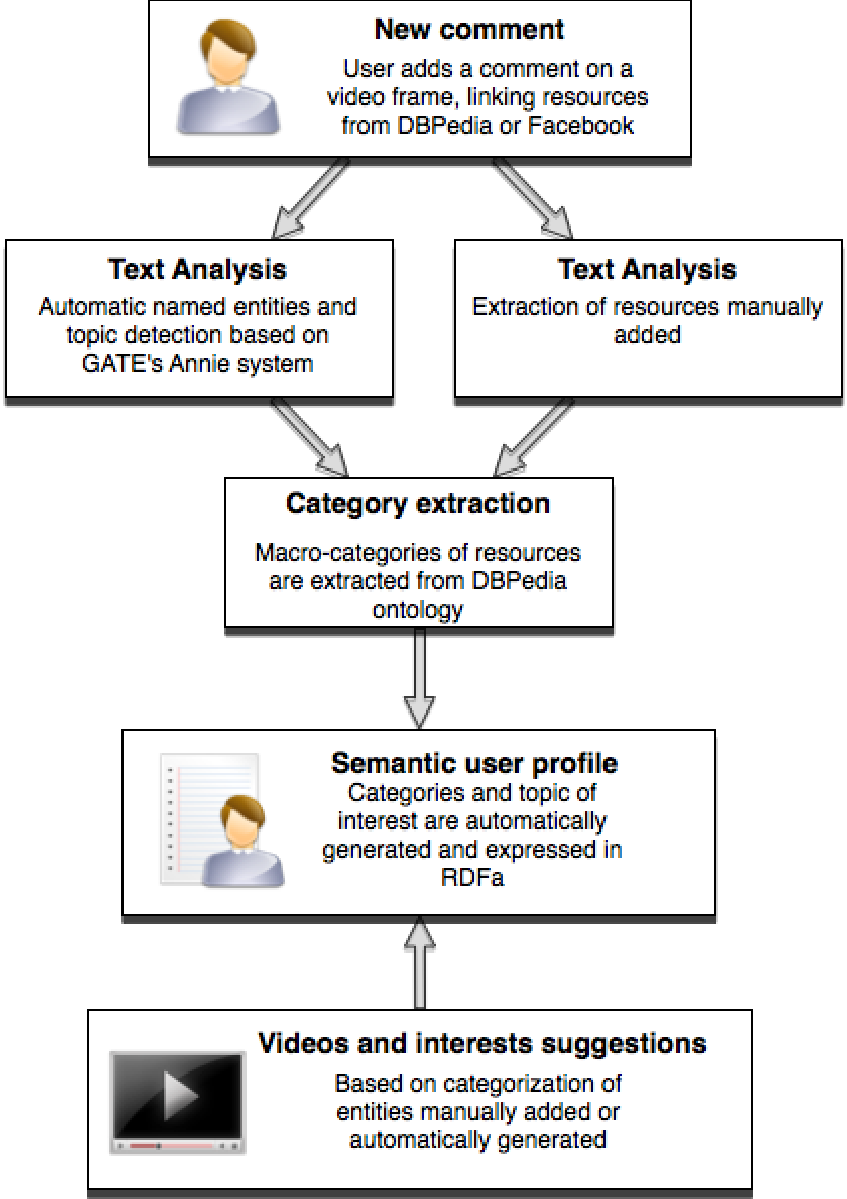 Figure 2: The interactive timeline widget allowing frame-accurate semantic tagging.
Results & Engagement
The authors demonstrated that:
- Semantic profiling can be achieved implicitly by analyzing user likes and interactions.
- RDFa integration allows the network's knowledge to be consumed by other Semantic Web tools.
- Notification loops (e.g., "Your friend was tagged in this frame") significantly increase user participation in the enrichment process.
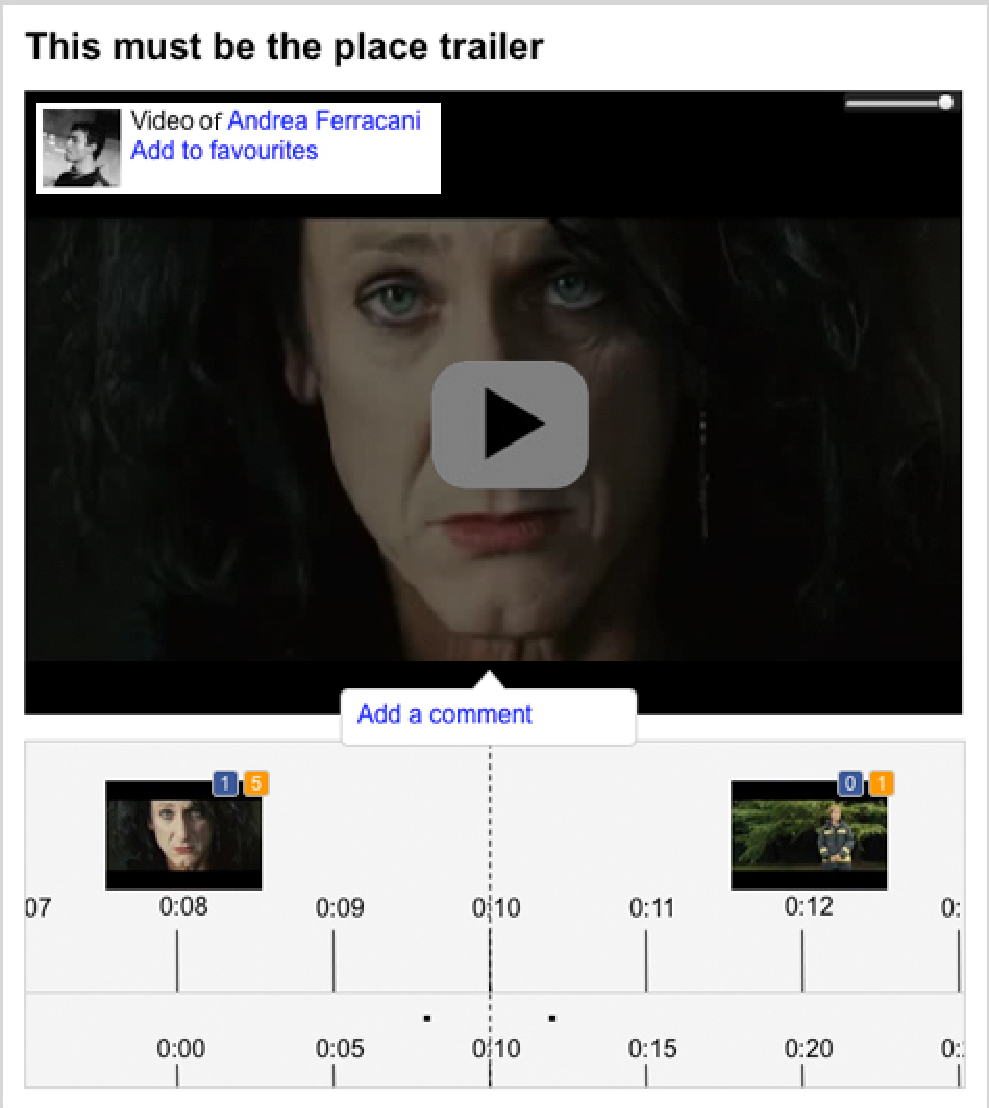 Figure 3: An automatically generated semantic user profile showing interests mapped from DBPedia.
Critical Insight: The "Folksonomy" Evolution
This paper anticipates the shift from Taxonomies (top-down, rigid) to Folksonomies (bottom-up, user-driven). By grounding folksonomies in DBpedia, the authors solve the "ambiguity" problem of user tags without sacrificing the "ease of use" that makes social networks thrive.
Limitations:
- The system heavily relies on user-generated text; if a video has no comments, the automatic annotation relies solely on visual analysis which, at the time (2012), was significantly less robust than current deep learning methods.
- Scalability of real-time SPARQL queries during typing can be a bottleneck for very large datasets.
Conclusion
"FaceTube" (as shown in their demo) proves that semantic enrichment doesn't have to be a specialist task. By embedding the Semantic Web into the "Social Graph," we turn every user action into a contribution to a global, searchable knowledge base of multimedia content. This set the stage for the highly personalized, entity-aware recommendation engines we see in modern streaming platforms today.