
FPGA-ML Synergy: Revitalizing Cultural Heritage through High-Performance Creative Design
Visual design of cultural and creative product based on microprocessing system and computer-human interaction
The paper proposes a novel framework for Culture Creative Product Design by integrating Field-Programmable Gate Arrays (FPGA) and Machine Learning (ML). This system aims to automate and enhance the creative design process, achieving a design quality performance of 75% and promoting economic growth through localized innovation.
TL;DR
This research bridges the gap between traditional cultural motifs and modern industrial design by deploying a high-performance computing framework. By utilizing FPGA-based parallel processing and Machine Learning, the system overcomes the bottleneck of design homogeneity, achieving a 90% system performance efficiency and significantly boosting the economic potential of cultural creative products.
Contextualizing the "Creative Crisis"
The cultural and creative industry often falls into a trap of superficiality—think of generic keychains or T-shirts that lack true cultural "spirit." The author argues that this is a technological and cognitive deficit: designers are limited by their own psychological inertia, and existing digital tools are often too slow to handle the complex, data-intensive simulations required for truly innovative "Human-Computer Interaction."
The Core Innovation: Why FPGA and ML?
The paper posits that imagination is the source, but technology is the backbone. To move beyond manual, slow design iterations, the author introduces:
- Hardware Acceleration (FPGA): Uses Field-Programmable Gate Arrays to handle parallel data streams, drastically reducing the latency in training Support Vector Machines (SVM) and Extreme Learning Machines (ELM).
- Cognitive Integration: By applying Function-Behaviour Structure (FBS) and cognitive psychology, the system doesn't just "copy" a cultural image; it interprets the "cultural code."
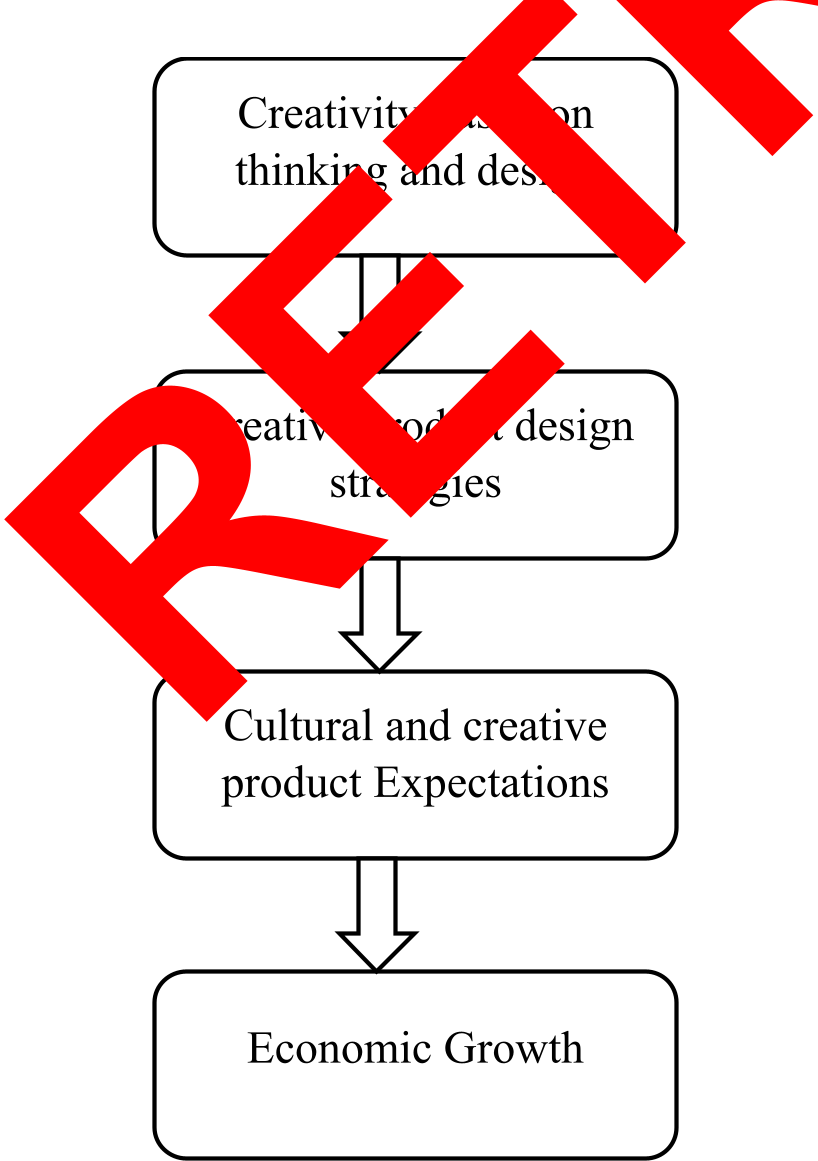 Figure 1: The proposed cultural and creative product design pipeline, integrating knowledge formation and technological synthesis.
Methodology Deep Dive
The system leverages the parallel processing nature of FPGAs to optimize Support Vector Machines (SVM). While traditional CPUs struggle with the "computational price" of large-scale cultural datasets—such as high-resolution motifs or 3D opera stage props—the FPGA-based cores allow for real-time edge analysis. This is particularly crucial for applications like the "Wuhu Opera" virtual scene mentioned in the text, where user interaction requires immediate collision detection and rendering.
Experimental Results & Economic Impact
The efficacy of the system was measured across three dimensions: quality, economic growth, and system performance.
- Quality Performance: Reached 75%, indicating high alignment with consumer aesthetic and functional needs.
- Economic Growth: Analysis showed an 88% performance boost, proving that localized cultural products can drive significant regional revenue when design capacity is enhanced.
- System Efficiency: The FPGA/ML combination hit 90% performance, validating the choice of hardware acceleration for design software.
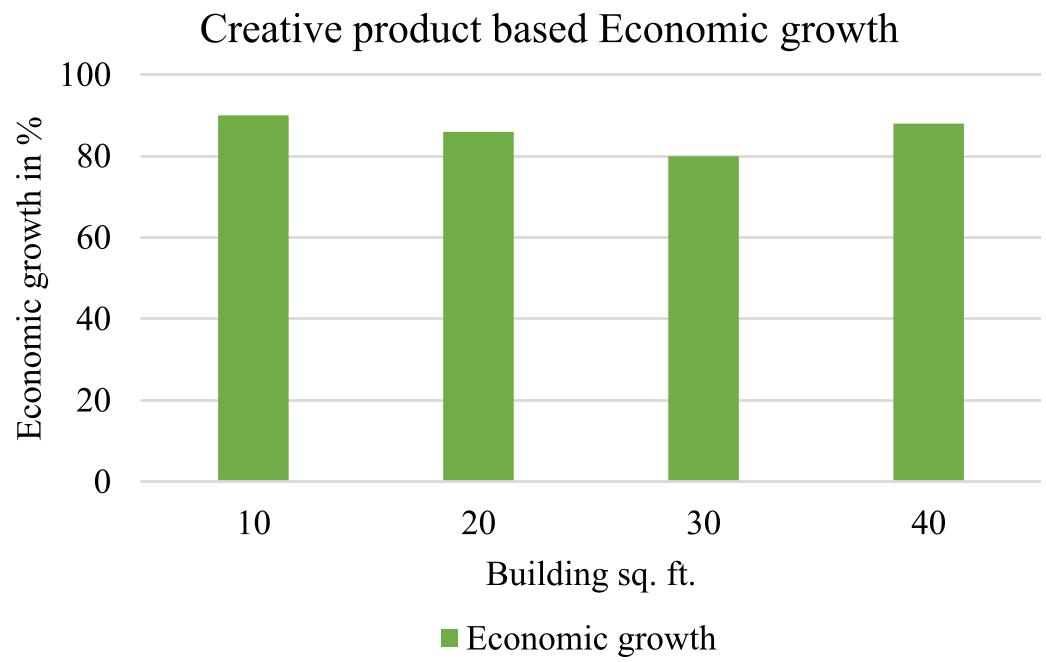 Figure 2: Statistical correlation between the square footage of design implementation and economic growth performance.
Critical Insight & Conclusion
The true value of this work lies in its interdisciplinary stance. It treats "culture" not as a static historical artifact, but as a dynamic data set that requires modern high-performance tools to navigate.
Limitations: While the paper excels in hardware-resource discussion, more detail on the specific "cultural code" extraction algorithms would benefit future researchers.
Final Takeaway: For the creative industry to scale, it must stop treating AI and FPGA as "engineering-only" tools and start viewing them as the modern drafting table for the next generation of global cultural icons.