
VivoSpace: Can Social Gaming Solve the Global Health Crisis?
VivoSpace: Towards Health Behavior Change Using Social Gaming
VivoSpace is a social network application designed to leverage social gaming and community dynamics to promote health behavior change. Built on the ABC (Appeal, Belonging, Commitment) theoretical framework, it utilizes daily health logging, competitive dashboards, and group challenges to transform personal wellness into a shared social experience.
TL;DR
VivoSpace is an innovative social networking prototype designed by researchers at the University of British Columbia. It aims to bridge the gap between "addictive" social gaming (like Farmville) and the often-tedious task of health management. By integrating behavioral health theories into a social interface, the system uses group accountability and competition to drive long-term lifestyle changes.
The Problem: The Motivation Gap
Most of us know how to be healthy: eat less, move more. However, "knowing" rarely translates to "doing." Current health apps often feel like chores rather than hobbies. The authors identify a "Motivation Gap" where individuals feel capable of change but lack the social facilitators and consistent commitment mechanisms found in online communities.
Methodology: The ABCs of Health Behavior
The researchers didn't just build an app; they grounded their design in the ABC Framework:
- Appeal: Ensuring the app is useful for more than just health (integrating music, calendars, and links).
- Belonging: Leveraging social identity and group norms.
- Commitment: Moving users through the stages of change (pre-contemplation to maintenance).
High-Fidelity Prototype Architecture
The VivoSpace interface is split into three functional panes designed to weave health into the fabric of daily digital life:
- Personal Assets: Integration with iTunes, photos, and personal calendars.
- Social Content: A newsfeed and specialized communities for recipes and healthy restaurants.
- Functional Timeline: The core logging engine where users record activities and receive immediate feedback on caloric/nutritional impact.
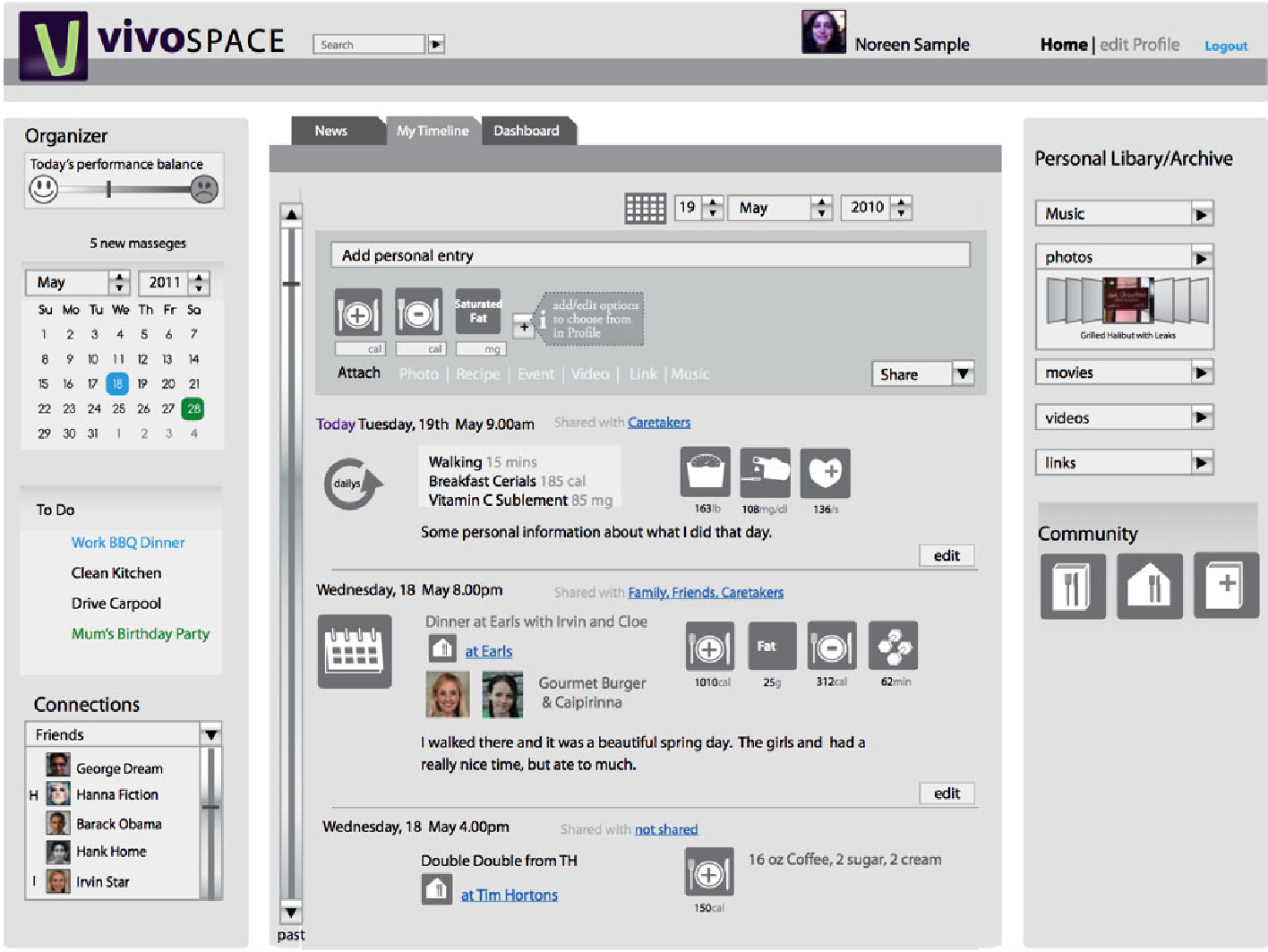 Figure 1: The Timeline page where users log activities and see their social context (e.g., "Dinner with friends").
Experiencing Health: "Winners and Losers"
One of the most provocative features of VivoSpace is the Dashboard. It moves beyond simple graphs to include a "Winners and Losers" tab. This gamified element ranks the top and bottom performers within a friend group, utilizing the "Belonging" determinant to spark friendly competition.
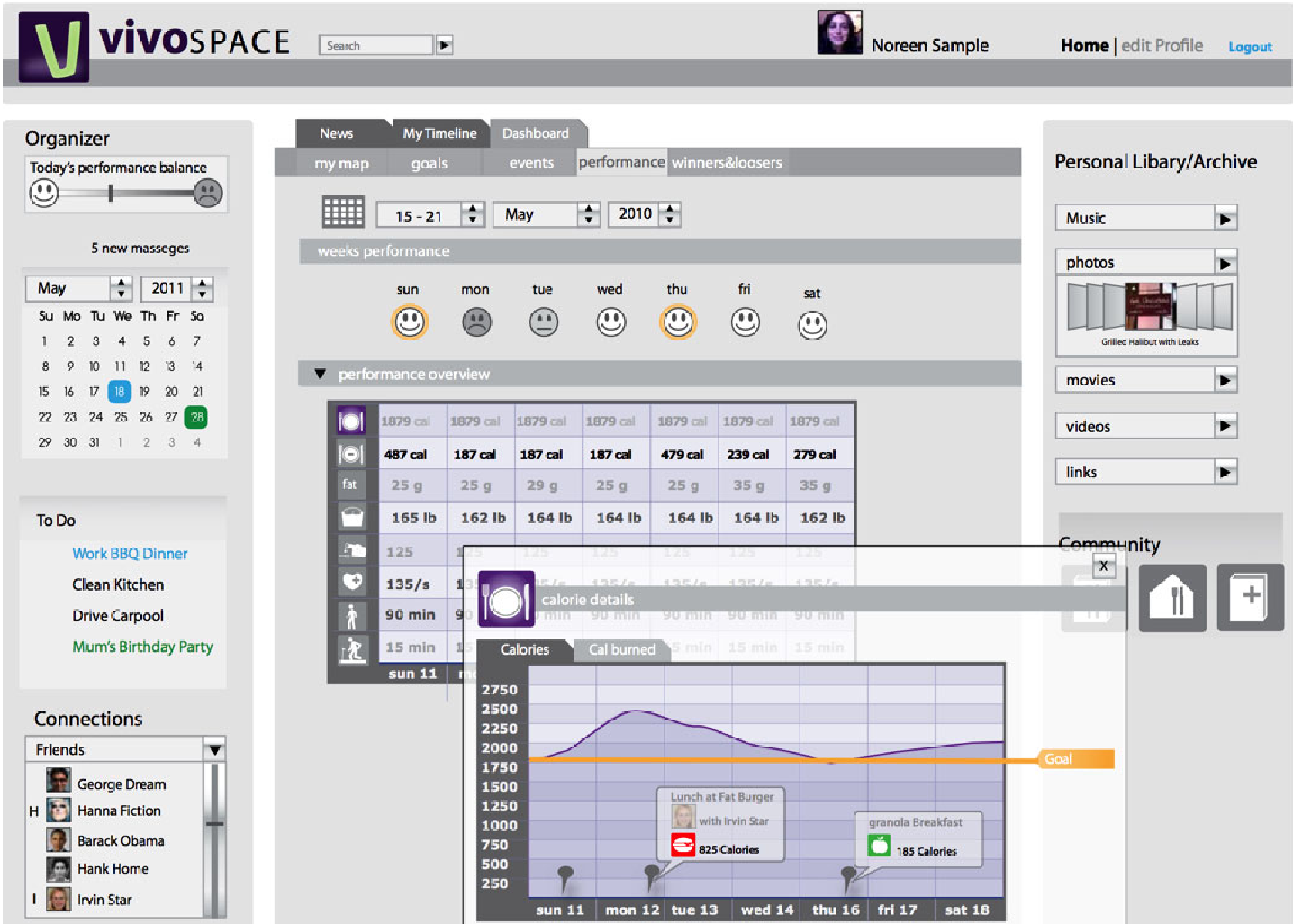 Figure 2: The Dashboard showing performance trends and the controversial social ranking tab.
Critical Insight: The Privacy-Effort Paradox
The user feedback revealed a fascinating contradiction that every HealthTech developer must face:
- The Effort Barrier: Users want health insights but dread the logging. Over 20% of negative comments focused on the difficulty of entering detailed meal data.
- The Privacy Wall: While users liked "social gaming," they were terrified of sharing their "unhealthy" habits. They wanted to show off a 5k run but hide a late-night cheeseburger.
Final Takeaway
VivoSpace proves that while social gaming provides a powerful engine for health behavior change, the "UI friction" of manual logging remains a significant bottleneck. For future systems to succeed, they must find ways to automate data collection (e.g., via IoT or Image Recognition) while offering granular privacy controls that allow users to manage their "social health identity."
Future Outlook
The next iteration of VivoSpace aims to integrate directly with established giants like Facebook and Twitter, recognizing that users don't want a new social network—they want their existing social life to make them healthier.