
From Global Crisis to Regional Solutions: Reinventing Water Assessment with System Dynamics
Assessment of water resources through system dynamics simulation: from global issues to regional solutions
This paper introduces WorldWater and CanadaWater, two simulation models based on System Dynamics designed to assess water resources at global and regional scales. It identifies water pollution as the most critical threat to global water balance and transitions these insights into a high-complexity regional framework for Canada.
TL;DR
Water scarcity is not just a localized shortage; it is a global systemic failure driven by pollution and industrial feedback. This paper presents WorldWater, a System Dynamics model that proves water pollution is the ultimate bottleneck for human growth, and CanadaWater, a specialized regional adaptation designed to navigate the socio-political and environmental complexities of Canadian water management.
Background: Beyond Static Hydrology
For decades, water professionals relied on historical river runoff data to predict the future. However, these static methods ignore the "Why"—why does water demand spike? Why does quality drop? The author argues that water is a dynamic part of a complex global cycle. By treating water as an isolated resource, we miss the signals of a worsening crisis.
The Problem: The Invisible Sink of Pollution
Current global models often assume water is a regional issue, not a global one. The author challenges this, identifying a critical blind spot: Wastewater Dilution. Traditional forecasts underestimate water demand because they don't count the massive amounts of fresh water required to transport and dilute pollutants to a "safe" level. Without accounting for this, we are flying blind.
Methodology: The WorldWater Engine
The core innovation of WorldWater lies in its Causal Relationship structure. Unlike linear models, it links Life Expectancy, Industrial Capital, and Land Yield directly to water quality and quantity.
The Feedback Loop
The model operates on a hierarchical availability logic:
- Renewable Surface Water
- Non-renewable Groundwater
- Water Reuse (Recycling)
- Desalination (Last resort due to energy costs)
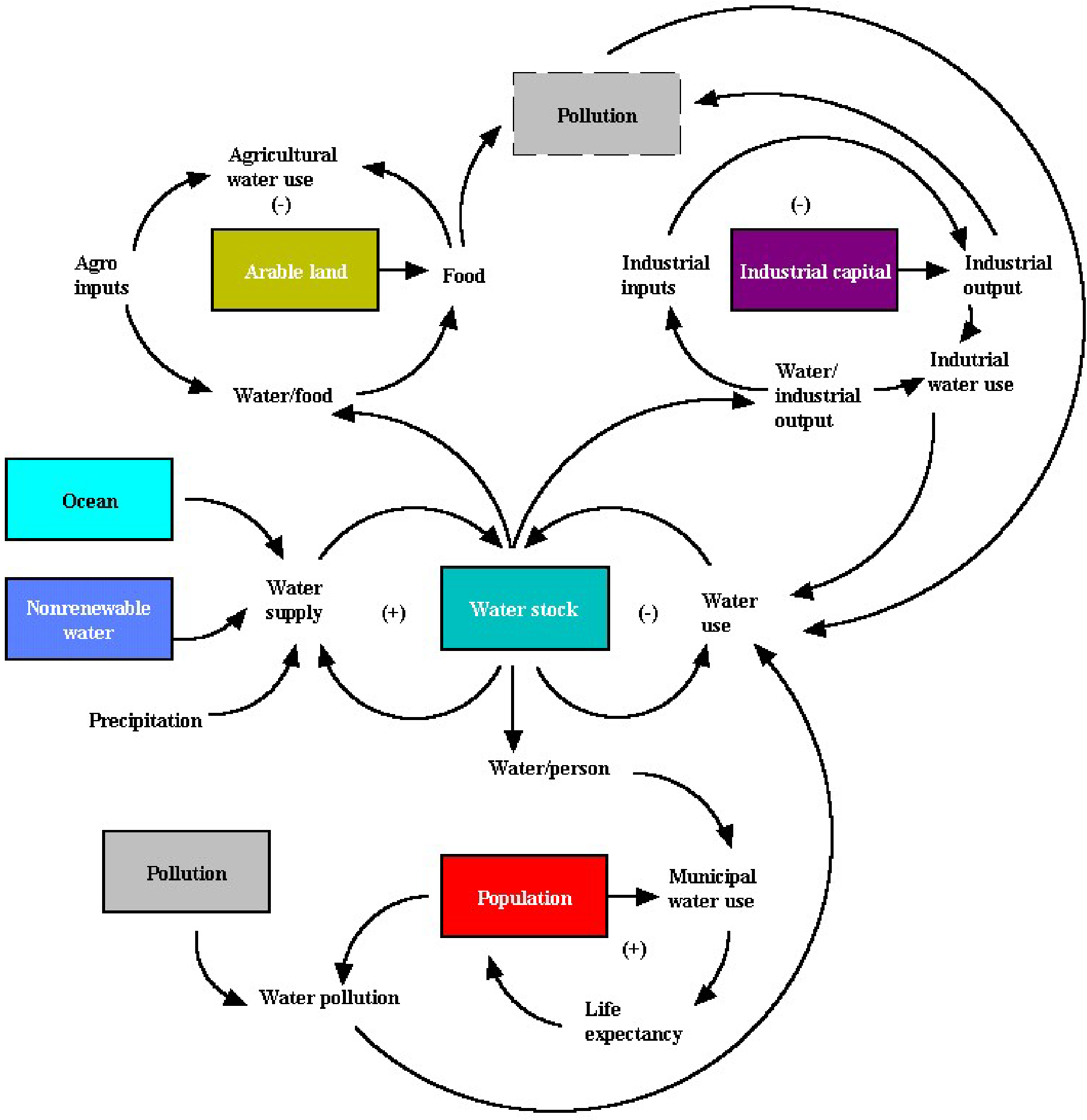 Figure 1: The web of interactions connecting water use to population and industrial output.
Simulation Results: The "Overshoot and Collapse"
When run through the "Standard Scenario," WorldWater delivers a chilling insight: pollution is the dominant driver of the global water crisis.
- The Dilution Shock: Water for dilution peaks around 2040 and is 6x greater than all other uses combined.
- Resource Feedback: Unlike the World3 model (which ignored water), WorldWater shows that water limits eventually force a collapse in food production and industrial growth.
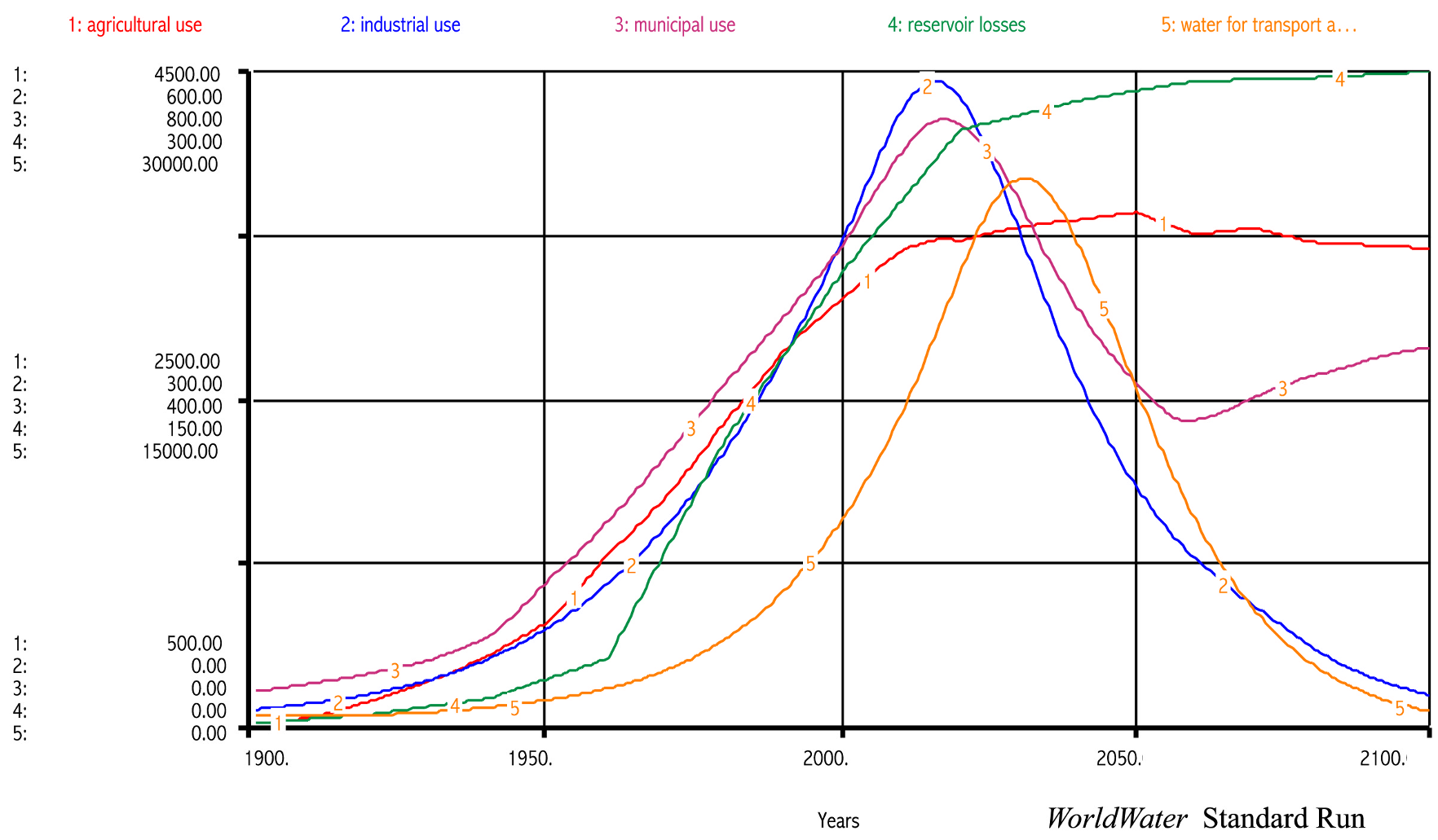 Figure 2: The dynamics of water use, highlighting the massive impact of dilution requirements (Line 5).
Scaling Down: The CanadaWater Regional Model
While the global model identifies the "What," regional models solve the "How." CanadaWater transforms the global framework into a 10-sector regional powerhouse. It accounts for:
- Transboundary Complexity: Sharing the Great Lakes with the USA.
- Demographics: 80% of Canada's population lives in a tiny sliver of territory near the US border.
- Policy Hotspots: Issues like bulk water export, aging infrastructure, and the specific pollution challenges of the North.
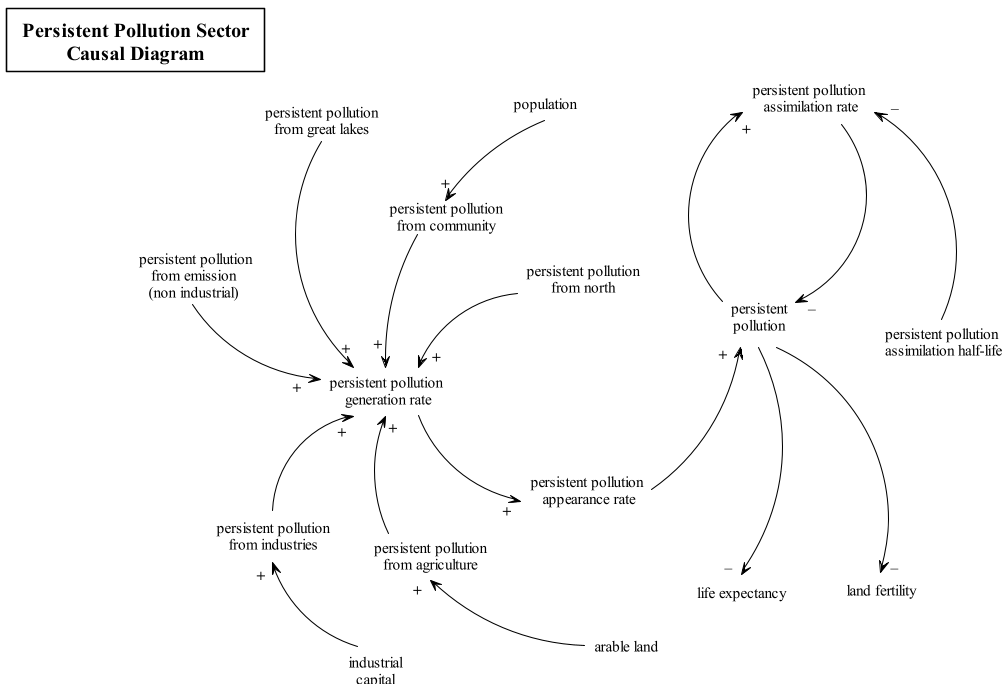 Figure 3: The regional complexity of the CanadaWater fresh water sector, integrating multiple sources and demand sinks.
Critical Insight & Conclusion
The transition from WorldWater to CanadaWater proves that System Dynamics is not just a theoretical tool but a necessary policy engine. The author’s most profound takeaway is that water quality is water quantity. If we pollute our stocks to the point where they require 600% more water just to be usable, we have effectively depleted the resource.
Future Outlook: The next phase involves validating CanadaWater against real-world policy scenarios, specifically focusing on climate-induced floods and droughts. For policy makers, the message is clear: sustainable water management cannot happen in a silo; it must be integrated with industrial, agricultural, and demographic planning.