
Waterhouse: Solving the "Johnny Can't Encrypt" Problem via Social Networks
Waterhouse: enabling secure e-mail with social networking
Waterhouse is a secure e-mail system that automates encryption and key management by leveraging social networking platforms like Facebook. It achieves a seamless user experience for PGP-style security, replacing technical hurdles with intuitive social cues like profile photos and automatic key exchange.
TL;DR
Waterhouse is a revolutionary approach to secure e-mail that tackles the two biggest hurdles in cryptography: usability and key distribution. By integrating directly with social networks like Facebook, it automates the exchange of public keys and uses social context (like profile photos) to verify identities, making military-grade encryption as easy as sending a standard e-mail.
The Persistence of the "Insecure" Inbox
Despite the underlying math for secure e-mail existing for over 30 years, most of us still send messages in "plain text" — the digital equivalent of a postcard that can be read by anyone handling it.
The failure isn't technical; it's humanitarian. As highlighted in the seminal paper "Why Johnny Can't Encrypt," the "unmotivated user" finds PGP (Pretty Good Privacy) too complex. Users don't want to manage "keyrings" or "hexadecimal fingerprints." They just want to talk to their friends securely.
Methodology: The Three Radical Changes
Waterhouse shifts the paradigm of secure communication through three core pillars:
1. Automation over Configuration
Unlike traditional clients where security is an "opt-in" toggle often hidden in menus, Waterhouse employs the strongest security by default. It generates keys upon installation and encrypts automatically if it detects the recipient is also a Waterhouse user.
2. Social Media as a Key Server
The "Public Key Infrastructure" (PKI) problem—finding a verified key for a contact—is solved by piggybacking on the Social Graph.
- Mechanism: When you link your account, Waterhouse uploads your public key to your social profile.
- Discovery: When you type a friend's name, the system silently pulls their key from their profile.
3. Human-Centric UI
Instead of showing a daunting "Digital Signature Verified" message with a 40-character hash, Waterhouse shows a Photo. If you see your friend Maria's Facebook picture and a green bar, you know the message is authentic.
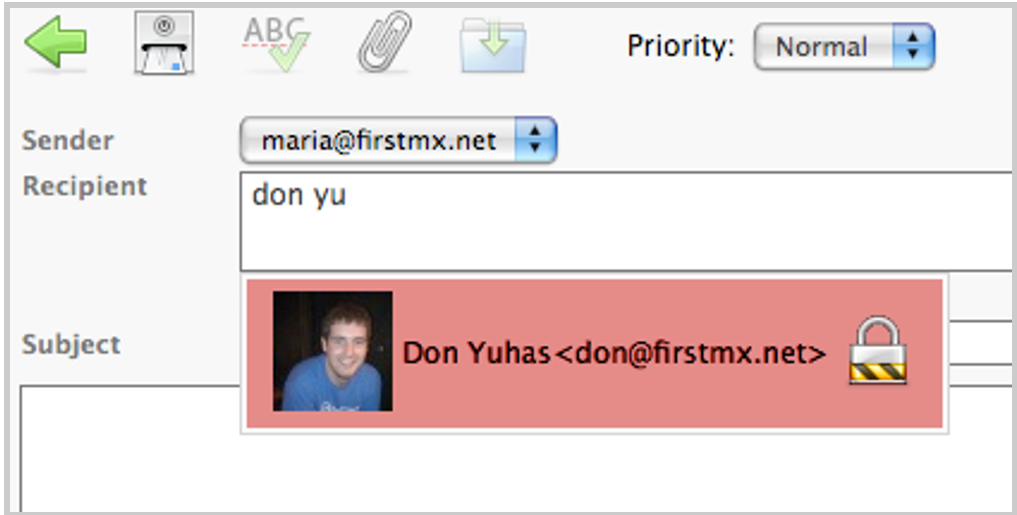 Figure 1: The UI replaces technical jargon with actionable social cues.
Security Intuition: Trusting the Graph
A common critique of social-based security is: What if someone fakes a profile? The authors address this with the "Web of Trust" intuition. Waterhouse can be configured to only trust keys from friends who share a certain number of mutual connections (e.g., "n" common friends). This leverages the existing organic verification we already do in our social lives.
Experimental Context & Comparison
The authors positioned Waterhouse as a direct successor to the "Johnny 2" (CoPilot) system. While CoPilot used "Key Continuity" (memorizing a key after the first receipt), Waterhouse provides a proactive security model. You don't have to receive a message first to get a friend's key; the social network serves as the proactive directory.
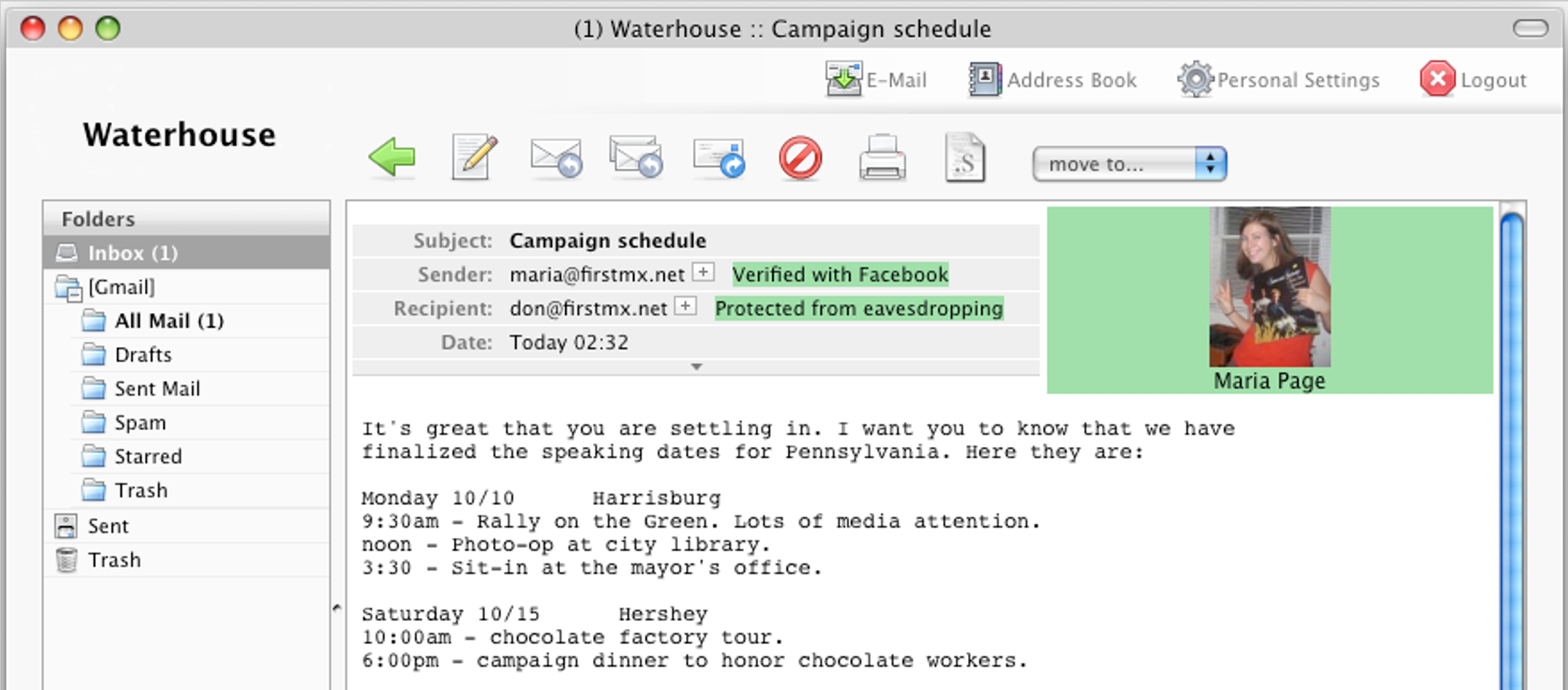 Figure 2: The recipient's view, where decryption happens transparently, confirmed by familiar visual markers.
Critical Insight & Future Outlook
Waterhouse represents a pivotal moment in the "Usable Security" movement. It recognizes that for 99% of users, social identity is the only identity that matters.
Limitations:
- Platform Dependency: The system's strength depends on the openness of social media APIs (which have become significantly more restricted since 2009).
- Privacy Paradox: While it secures e-mail content, it relies on a centralized social network, creating a metadata trail.
Conclusion: The legacy of Waterhouse isn't just in e-mail; we see its DNA today in apps like Signal and WhatsApp, which have finally achieved the "invisible encryption" Waterhouse pioneered by using phone contacts as the social graph.