
WaterLady: Transforming IoT Devices into Social Media Influencers
WaterLady: A Case Study for Connecting Physical Devices into Social Networks
The paper introduces WaterLady, an innovative Cyber-Physical System (CPS) that connects a physical water dispenser to the Sina Weibo social network. Using a vision-based sensing approach and a personified digital identity, the system achieves ubiquitous status monitoring and high user engagement (45,000+ followers in five days).
TL;DR
Researchers from Zhejiang University successfully integrated a common office water dispenser into Sina Weibo. By treating the device as a "personified" entity named WaterLady, they demonstrated that social networks can bridge the gap between physical hardware and ubiquitous remote monitoring, achieving viral popularity while maintaining high technical reliability.
The Motivation: Why Socialize a Water Dispenser?
In modern smart environments, we are surrounded by appliances (microwaves, laundry machines, water dispensers) that communicate via simple LED lights. The problem? You have to be in the same room to see them. Previous attempts at remote monitoring used dedicated apps or SMS alerts, but these often feel intrusive, require extra setup, and fail to engage users.
The authors hypothesized that Social Networks offer the perfect existing infrastructure for IoT. By treating a device as a "friend" you follow, monitoring becomes as natural as checking a status update.
Methodology: The "WaterLady" Architecture
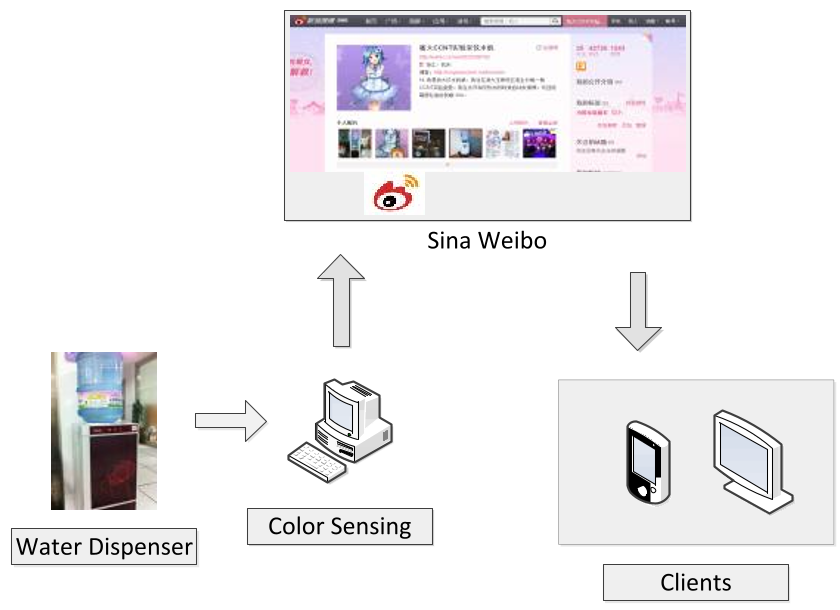
The system follows a three-layer approach: Sensing, Processing, and Publication.
1. Non-Invasive Sensing
Rather than tearing apart the circuit board (which reduces reliability), the team used a vision-based approach. A camera monitors the machine's LEDs, and a color-sensing algorithm detects whether the light is in "Boil" or "Warm" mode.
2. The Power of Personification
This is the "Secret Sauce" of the paper. Unlike a dry "Machine 01: Status Hot" alert, the authors followed three design principles:
- Less Modification: Use external sensors.
- Personification: Give the device a soul.
- Unified Identity: A cute avatar, a nickname ("WaterLady"), and a specific personality.
3. "Tsundere" and Humanized Interaction
The system utilized "Tsundere" language (cold outside, warm inside) and even incorporated real human voice clips recorded by followers. This turned a mundane utility alert into a form of social entertainment.

Evaluation: Beyond the Hype
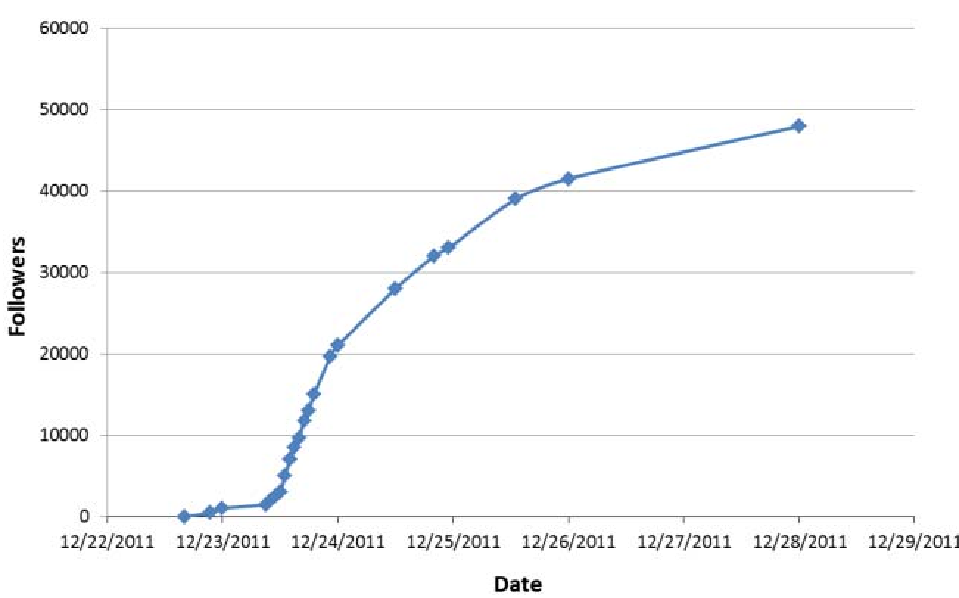
While the "buzz" was massive (30,000+ followers in 48 hours), the technical performance remained robust:
- Reliability: 100% message delivery in testing.
- Latency: Average delivery time was just 4 seconds for mobile clients via GPRS, proving social networks are more than fast enough for non-critical IoT tasks.
- Growth: The viral nature was fueled by "social celebrities" (national news agencies) reposting the WaterLady's updates.
Critical Insights & Future Outlook
The WaterLady case study provides two major lessons for the future of Cyber-Physical Systems:
- Low Friction is King: Leveraging an app people already use (Weibo/Twitter) eliminates the need for users to install "yet another IoT app."
- The Privacy Paradox: Even a water dispenser can leak data. Followers could estimate how many staff were in the lab based on water consumption. As we connect more "things" to social networks, we must build robust privacy filters into these social-physical abstractions.
Conclusion: WaterLady proves that the "Internet of Things" doesn't have to be a network of cold machines—it can be a vibrant community of personified entities that we actually want to interact with.