
Wearables in Healthcare: Bridging the Gap Between Gadgets and Life-Saving Medicine
Wearable Device Technology in Healthcare—Exploring Constraining and Enabling Factors
This paper presents a systematic literature review investigating the enabling and constraining factors for wearable devices in healthcare. Synthesizing 41 key research papers, it categorizes trends across quality of life, quality of treatment, product design, and big data, specifically identifying security and privacy as the primary barriers to market maturity.
TL;DR
Wearable technology is at a crossroads. While devices like the Apple Watch have demonstrated nearly 100% accuracy in fall detection and heart monitoring, they remain restricted by "Big Data" bottlenecks. This review by Mike Krey identifies that while Quality of Life and Treatment Precision are major enablers, the lack of Security and Privacy infrastructure remains the ultimate "constraining factor" preventing full clinical adoption.
Problem & Motivation: The High Cost of Health
In advanced economies like Switzerland, healthcare spending has reached a staggering 12.4% of GDP. The motivation for wearables is simple: efficiency. By moving monitoring from expensive hospital beds to the patient's home, we can drastically reduce per-process costs.
However, the transition is stalled. Doctors are hesitant because the reliability of consumer wearables often lags behind standard medical equipment. If a device gives a false signal, the risk of incorrect treatment is high. Furthermore, the industry is obsessed with Product Design (how it looks and fits) but is largely ignoring the Big Data nightmare (how do we keep the pulse-rate of a 70-year-old patient safe from hackers?).
Methodology: Mapping the Ecosystem
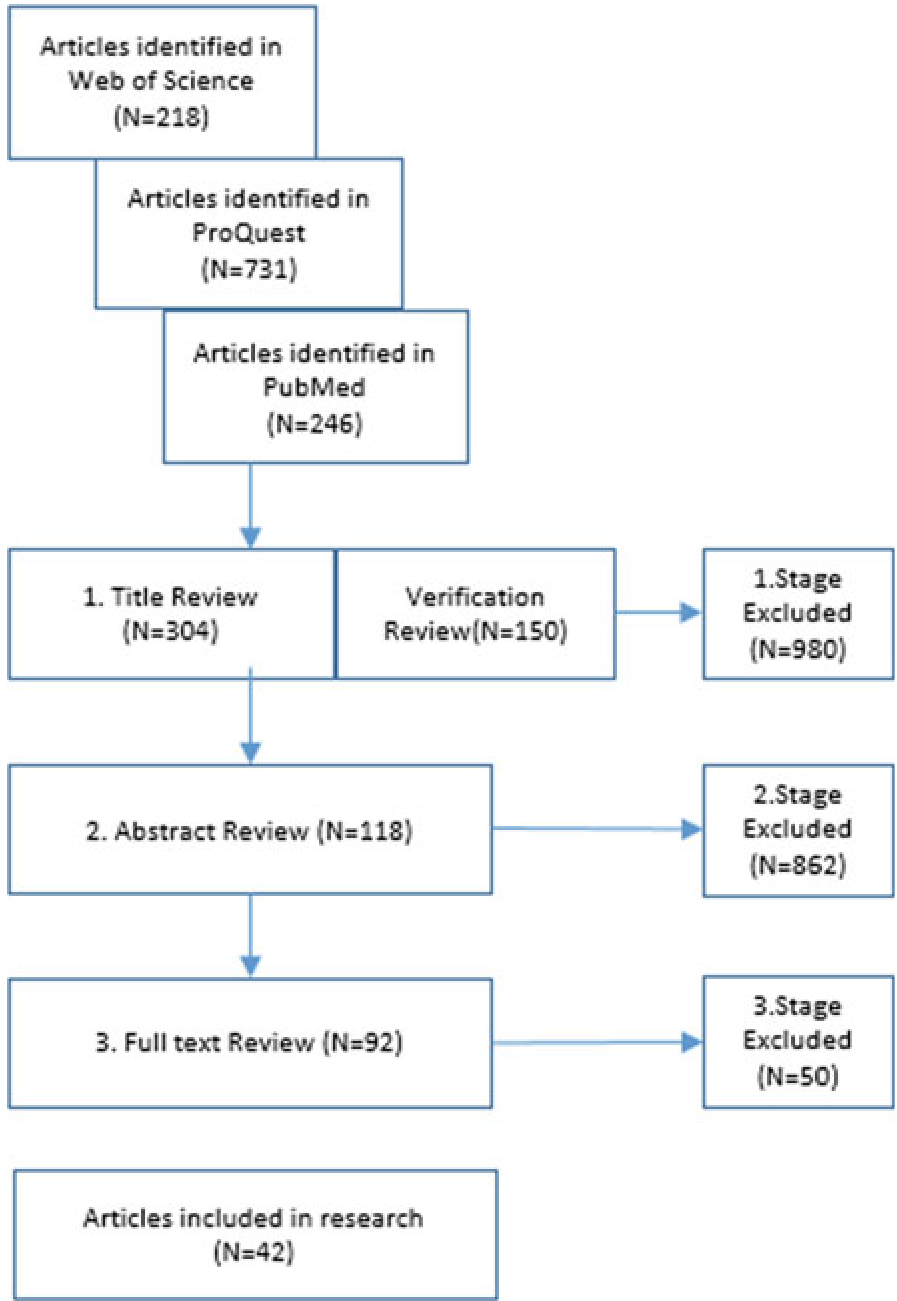
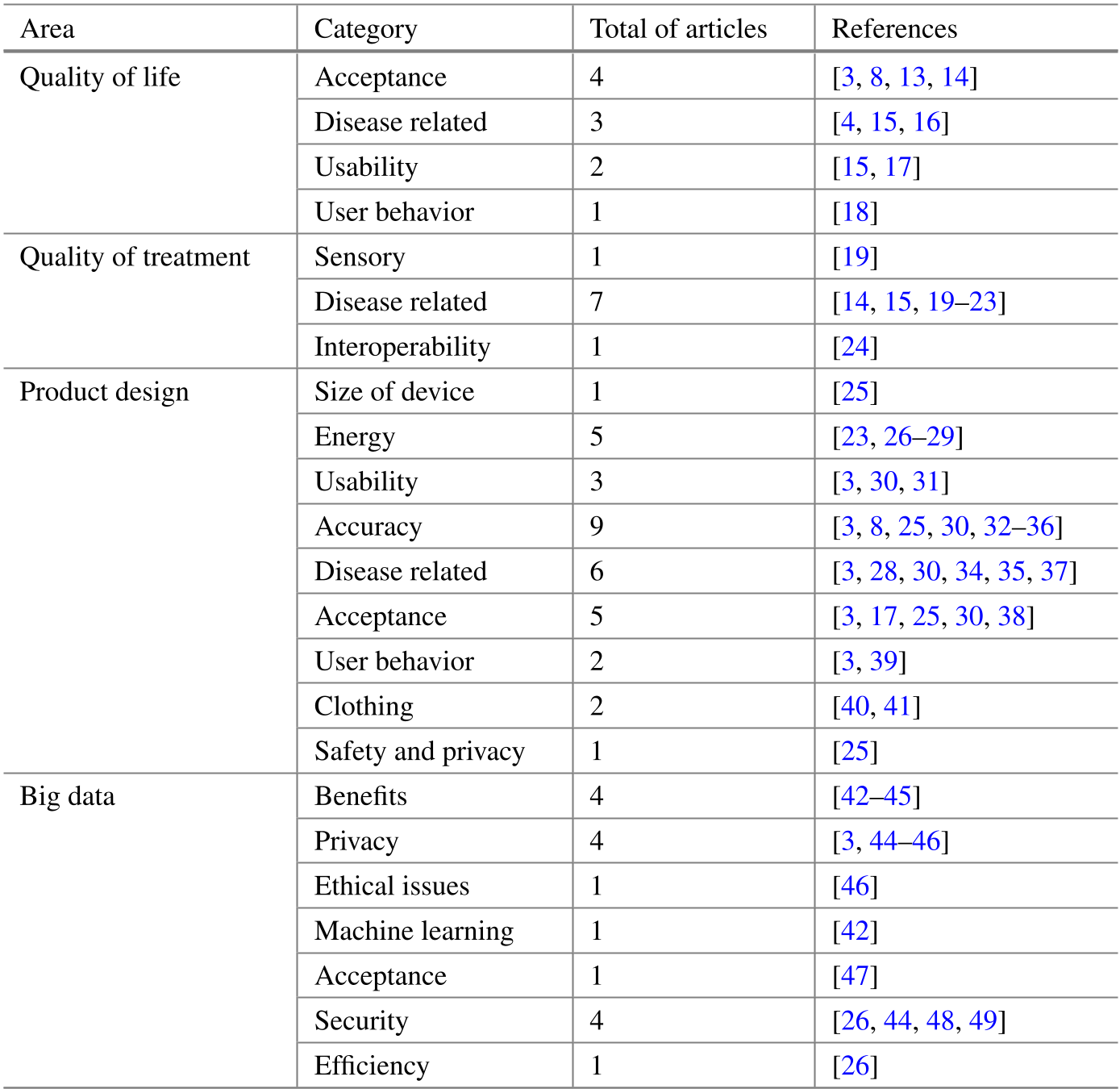
The study analyzed 41 core papers from an initial pool of over a thousand, categorizing the findings into four pillars:
- Quality of Life: Psychological benefits and activity tracking.
- Quality of Treatment: Real-time data and remote rehabilitation.
- Product Design: The physical constraints (size, battery, aesthetics).
- Big Data: The dual-edged sword of information (security vs. analytics).
Core Insight: The Barriers to Market Maturity
1. The Energy vs. Size Conflict
One of the primary technical hurdles highlighted is the "Energy Constraint." Historically, medical wearables were bulky. Modern attempts to balance physical size with power capacity (using Bluetooth Low Energy) still only achieve streaming times of approximately 3.5 hours—insufficient for a device meant to monitor a patient 24/7.
2. The Accuracy Paradox
While sensors can detect falls with 95-100% precision, they are susceptible to "noise." Electromagnetic interference, poor skin contact, and body movement (baseline wander) create data discrepancies. This "noise" is the primary reason clinicians are reluctant to trust wearables for critical diagnoses.
3. The Security Vacuum
Perhaps the most alarming find is that IoT devices were not built with security in mind.
- Vulnerability: Attackers can "jam" radio frequencies or launch "eavesdropping" attacks on sensitive health data.
- Resource Limitation: Sensors are too small to run traditional encryption algorithms because they lack the necessary memory and power supply.
Deep Insight: Why This Matters for the Future
The real takeaway from Krey’s research is the Security-Efficiency Paradox. We want more data (to improve treatment) and smaller devices (to improve life), but we aren't yet willing to pay the computational price for security.
As the paper notes, users are often willing to "ignore" privacy risks if they perceive a high direct health benefit (the Privacy Calculus Framework). However, for a hospital or an insurance provider, a single security breach is catastrophic.
Conclusion
The technology for revolutionary healthcare exists, but the "Big Data" infrastructure is crumbling. Future research must stop focusing on making watches "prettier" and start focusing on:
- Advanced Encryption: Implementing lightweight codes like the Blowfish algorithm.
- Battery-less Sensors: Harvesting energy from electromagnetic fields.
- Clinician Needs: Understanding what specific data formats doctors actually need to make a clinical decision.
Only by solving the security and power dilemmas can wearables move from being "frequent-flyer" gym accessories to life-saving medical necessities.