
Enhancing Student Navigation: A Web Usage Mining Approach to Personalized E-Learning
Applying Web usage mining for personalizing hyperlinks in Web-based adaptive educational systems
2009-05-29
Summary
Problem
Method
Results
Takeaways
Abstract
This paper presents an advanced architecture for a Link Recommender System (LRS) integrated into the AHA! adaptive educational platform. It utilizes Web Usage Mining, specifically combining K-means clustering and sequential pattern mining (AprioriAll, GSP, PrefixSpan), to provide personalized hyperlink recommendations for students.
## TL;DR
This paper introduces a specialized Web Usage Mining (WUM) framework integrated into the **AHA!** adaptive system. By leveraging clustering and sequential pattern mining, the system generates personalized link recommendations to guide students through educational content, significantly improving the relevance and "strength" (confidence) of the suggested navigation paths.
## The Problem: The "Lost in Hyperspace" Syndrome
In the early years of Web-based Adaptive Educational Systems (AWBES), a primary bottleneck was the rigid nature of course delivery. While instructors provided content, students often struggled to find the most effective learning path. Existing recommender systems were largely built for e-commerce (e.g., "users who bought X also bought Y"). Applying this to education requires more than just association; it requires understanding the **sequence of knowledge acquisition** and the differing needs of diverse student profiles.
## Methodology: Beyond Simple Association
The authors move beyond "Basic Architecture" (which uses global logs) to an **"Advanced Architecture"** that treats students as distinct personas.
### 1. The Offline Phase: Mining Insights
The process begins with the **AHA! Mining Tool**, which performs:
* **Clustering (K-means)**: Students are grouped by their "Average Knowledge" and "Pages Visited." This segments "Sporadic Learners" from "Active Learners."
* **Sequential Pattern Mining**: Algorithms like **PrefixSpan** and **GSP** are used to find frequent trails (e.g., Page A → Page B → Page C).
### 2. The Online Phase: Personalized Recommendations
When a student visits a page, the **Recommender Engine** identifies their cluster in real-time and surfaces links that peers in that cluster found useful.
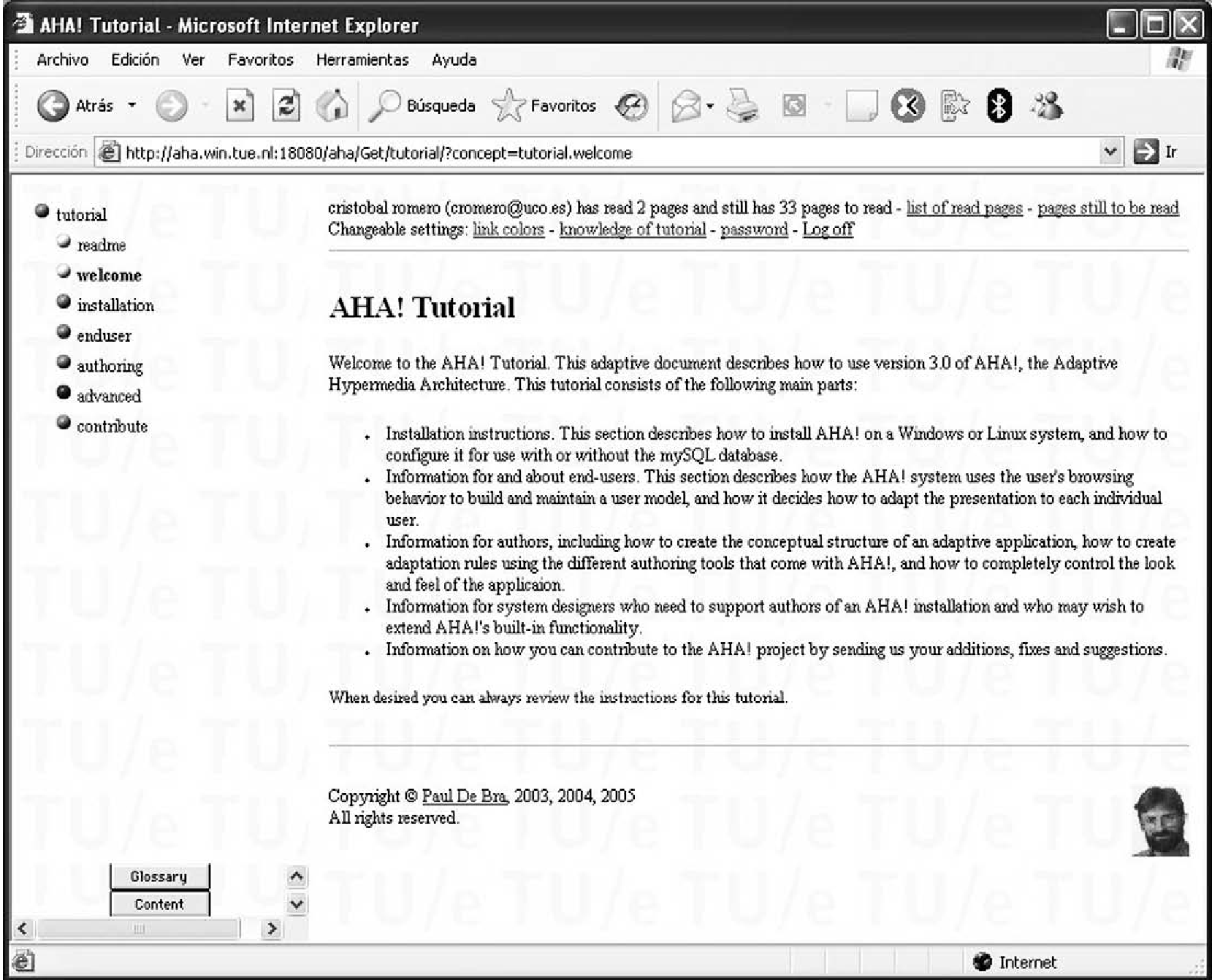
*Figure 1: The proposed architecture showing the flow from log data to real-time recommendation.*
## Experimental Insights: Quality Over Quantity
The researchers tested their approach on real data from the Eindhoven University of Technology. A critical finding was that while the number of recommendation rules didn't necessarily increase with clustering, the **Confidence** and **Support** values did.

*Table 1: Comparison of Sequential Mining algorithms. PrefixSpan and GSP consistently provided higher support than AprioriAll.*
### Key Discovery: Cluster-Specific Behavior
The data revealed distinct "trails":
* **Sporadic Students** often jumped from "Welcome" to "Installation," seeking quick technical setup.
* **Active Students** followed conceptual trails, moving from "Domain Model" to "Concept" definitions.
By separating these clusters, the system avoided "noisy" recommendations that wouldn't appeal to both groups simultaneously.
## Visualizing the Interaction
The recommendations are integrated directly into the AHA! interface using a tiered visual approach (1 to 3 triangles) to signify the strength of the recommendation.
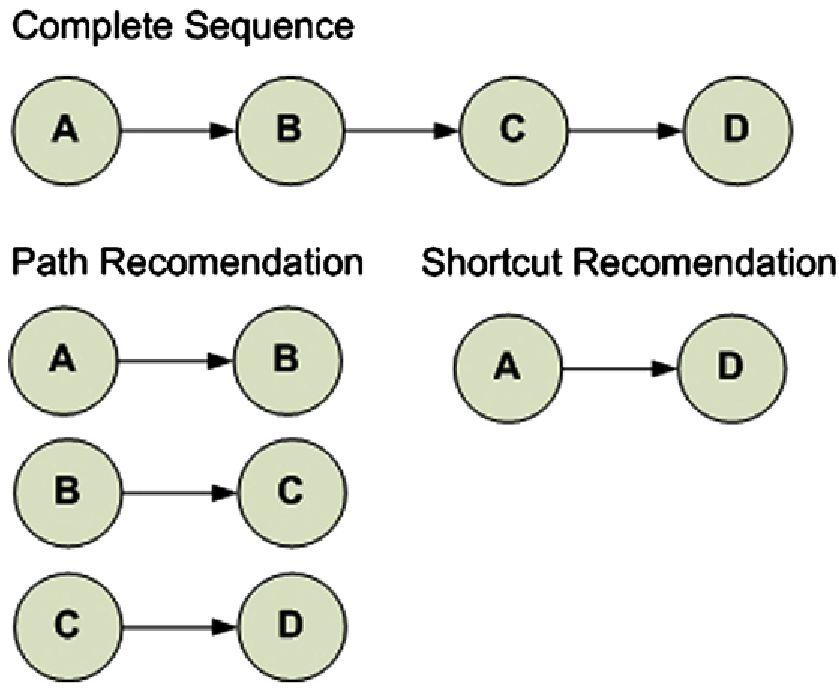
*Figure 2: The updated AHA! interface where personalized links are adaptively annotated.*
## Critical Analysis & Conclusion
The strength of this work lies in its **integration**. It bridges the gap between data mining research and practical educational tools. However, a notable limitation is that the clustering relies on local centroids (K-means), which may require frequent manual recalibration by the instructor as the course progresses.
**Takeaway for the Future**: This research successfully proves that peer-driven navigation is a viable alternative to manually defined "Instructor Paths." The next evolution of this technology likely involves **State Space Models (SSMs)** or **Reinforcement Learning (RL)** to automate the feedback loop between student success and link prominence.