
WeChat-Based Pedagogy: Revolutionizing Computer English for the Digital Age
Computer English Teaching Based on WeChat
This paper presents an empirical study on improving Computer English teaching for CS majors using WeChat as a mobile learning platform. It integrates vocabulary memory modules, oral training, and scenario simulations into a social network environment to transition students from "dumb and deaf English" to active professional communication.
TL;DR
This research tackles the stagnation of traditional Computer English education by moving the classroom to WeChat. By implementing a multi-module interaction system, the authors successfully leveraged fragmented time and social connectivity to improve professional vocabulary, oral proficiency, and translation skills among Computer Science majors.
Problem & Motivation: The Gap in Professional Communication
In the fast-evolving field of IT, English is not just a subject but a vital tool. However, the paper identifies a critical disconnect in current teaching methods:
- "Dumb and Deaf English": Students can translate sentences on paper but cannot communicate in academic exchanges or international conferences.
- Static Curriculum: Textbooks cannot keep up with the rapid emergence of terms like Internet, Intranet, or Cloud Computing.
- Time Constraints: Standard curriculum settings (usually only 2 hours per week) are insufficient for high-intensity language acquisition.
The authors' insight is simple yet profound: Meet the students where they are. Since college students spend a significant portion of their spare time on social media, integrating teaching into WeChat transforms a distraction into a learning asset.
Methodology: The Architecture of Mobile Interaction
The study is grounded in the Input Hypothesis, emphasizing that language acquisition occurs when learners receive "comprehensible input" that is slightly above their current level.
The Interaction Framework
The researchers divided the teaching process into six specialized WeChat modules:
- Vocabulary Training: Using humorous mnemonics (e.g., business = "a bus in which a goose and two snakes do business") shared via "Moments."
- Sentence Analysis: Analyzing the complex, long-running sentences typical of technical manuals.
- Oral Trial: Using mini-programs for game-based speaking practice to reduce face-to-face anxiety.
- Problem Relay: A voice-based quick-response game to improve listening and translation speed.
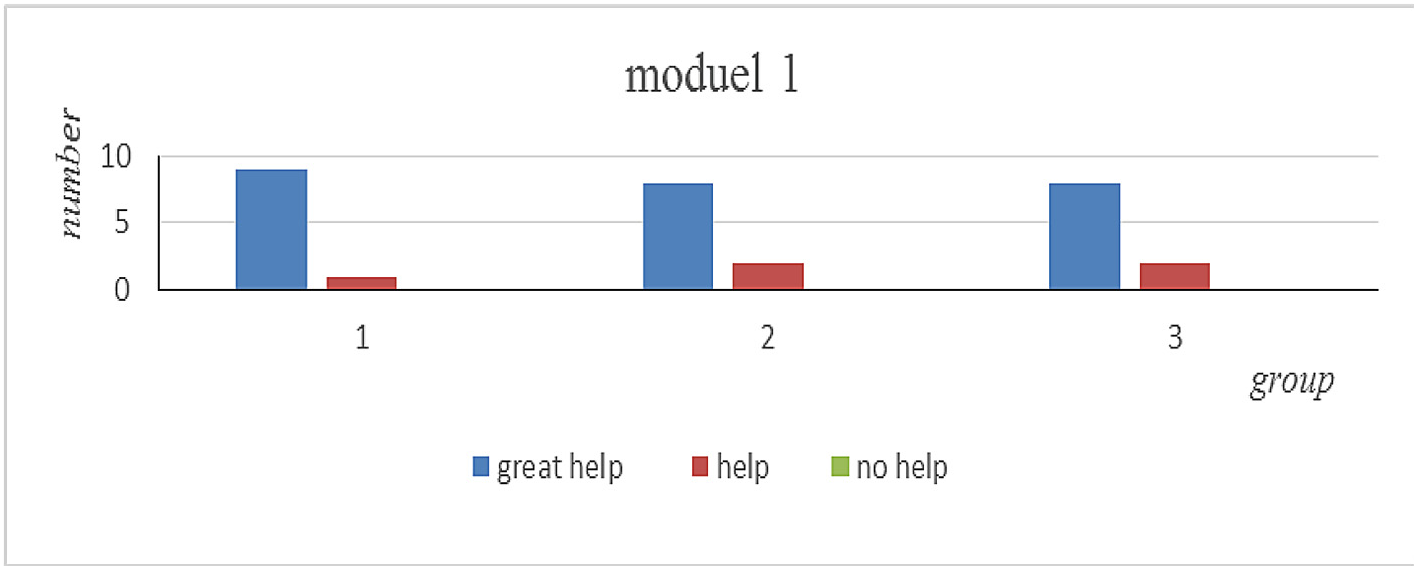 Figure 1: Visual representation of the oral and scenario training approach.
Experiments & Results: Is Social Learning Effective?
The empirical study involved 30 CS students over an 18-week period. The results were analyzed based on module engagement and student feedback.
Key Findings:
- Vocabulary Success: The vocabulary module was the most celebrated. By breaking down "thumbnail words" (acronyms like RAM, RISC) and compound words, students found memorization less burdensome.
- Addictive Learning: Students reported that practicing oral English on WeChat became "addictive" due to the low-pressure environment and the desire to achieve high scores in the game-based modules.
- Resource Sharing: The platform allowed for the immediate sharing of the latest industry news, solving the "timeliness" problem of printed textbooks.
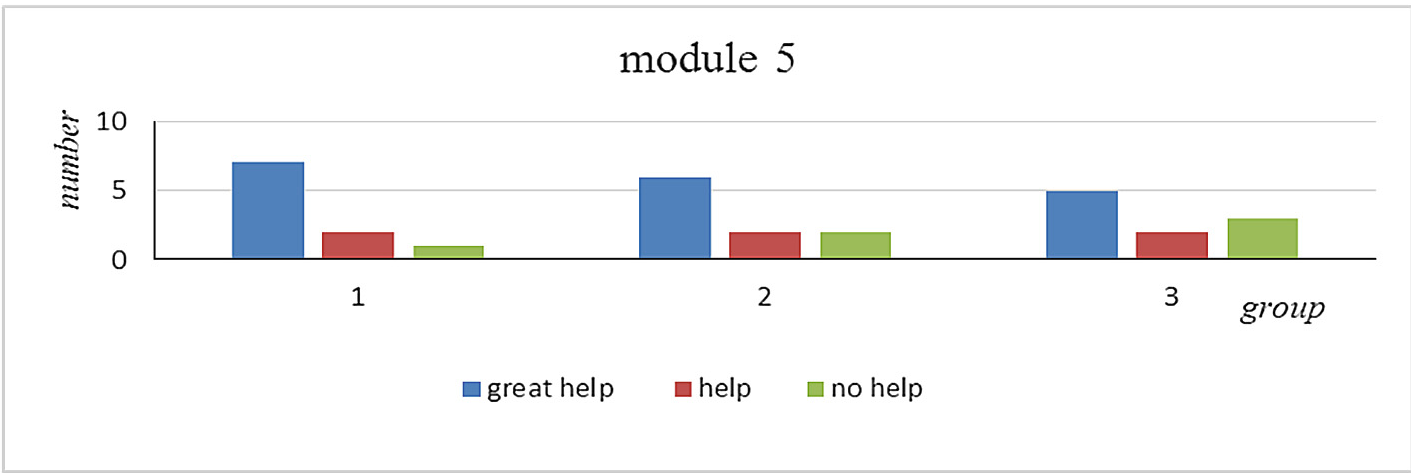 Figure 2: Scenario simulation and practical module sharing via WeChat.
Critical Analysis & Conclusion
While the study proves that WeChat-based learning is a powerful supplement, it also highlights some limitations:
- Grammar Barriers: The "Long Sentences" module was less successful, indicating that social media is better suited for fragmented knowledge (vocabulary) than deep structural analysis (complex grammar).
- Sustainability: Maintaining student interest in "Problem Relay" modules requires high-quality, frequent input from the teacher.
Future Outlook
This work sets a precedent for Mobile-Assisted Language Learning (MALL) in specialized domains. The future of Computer English lies in "Immersive Scenarios"—perhaps moving from 2D chat groups to VR-integrated social platforms where students can simulate a Silicon Valley product launch or a technical support call in real-time.
Takeaway: To master the language of the future (CS English), we must use the tools of the present (Social Media).