
Wigglears: Mapping Emotions to Body Augmentation through Biofeedback
Wigglears: Wiggle Your Ears With Your Emotions
The paper introduces "Wigglears," a novel wearable body augmentation system that wiggles artificial ears in response to the wearer's emotional states, measured via Galvanic Skin Response (GSR). Developed as part of Human-Computer Integration (HInt) research, the system achieves a "cyborg-like" playful expression that translates internal biodata into visible social cues.
TL;DR
Wigglears is a wearable "HInt" (Human-Computer Integration) system that translates the wearer's physiological arousal into the mechanical wiggling of artificial ears. By utilizing Galvanic Skin Response (GSR), the system creates a playful, autonomic bodily extension that acts as a social cue, amplifying emotions and sparking dialogue.
Contextualizing the Cyborg: Why Wiggle Your Ears?
Traditional Human-Computer Interaction (HCI) treats the computer as a tool. However, the emerging paradigm of Human-Computer Integration (HInt) envisions a future where technology is an extension of our biological selves. While animals like dogs and pigs use ear movement as a primary channel for emotional signaling, humans have largely lost this ability.
The author, Victoria Peng, argues that there is a significant design gap at the intersection of body augmentation and biodata. Most wearables tell us how we feel (via screens); Wigglears tells the world how we feel (via movement).
Methodology: The Tech Behind the Wiggle
The system is elegantly simple yet functionally complex in its calibration:
- Hardware: An Arduino-powered headband with dual motors positioned behind the ears, paired with GSR finger-gloves to measure skin conductance.
- The Algorithm: To prevent constant wiggling from noise, the system uses a fixed threshold and tolerance (50 units). Calibration involves a "neutral phase" where the user views calming images from the Geneva Affective Picture Database (GAPED) to establish a baseline.
- The Design Evolution: The prototype transitioned from a cross-body bag to a backpack to reduce "intrusiveness," emphasizing the goal of making the technology feel like a part of the user's biology rather than an external gadget.
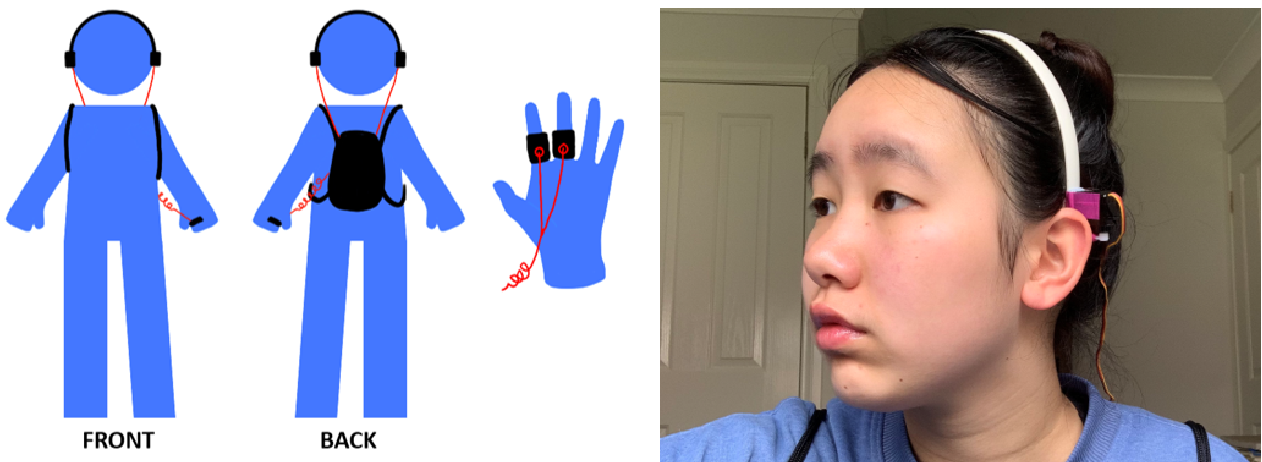 Figure 1: The Wigglears final prototype architecture.
Key Insights: Social Implications and Agency
Through an autobiographical study, the researcher identified four key impacts of the system:
- Social Dialogue: The ears acted as "externalized biofeedback." Friends and family would ask, "Did that make you excited?" when the ears moved, turning internal states into public conversation starters.
- Emotional Amplification: When ear movement matched a physical action (like laughing), the emotion was perceived as more "authentic" or "amplified" by observers.
- The Loss of Agency: Interestingly, the user reported a "surreal" feeling of losing control. Because GSR is involuntary, the ears would sometimes wiggle during inappropriate moments (e.g., a serious Zoom presentation), leading to feelings of being "self-conscious" or "awkward."
- The Refocus Effect: Unexpected wiggles during moments of boredom (like long lectures) served as a tactile "nudge," surprising the user back into a state of focus.
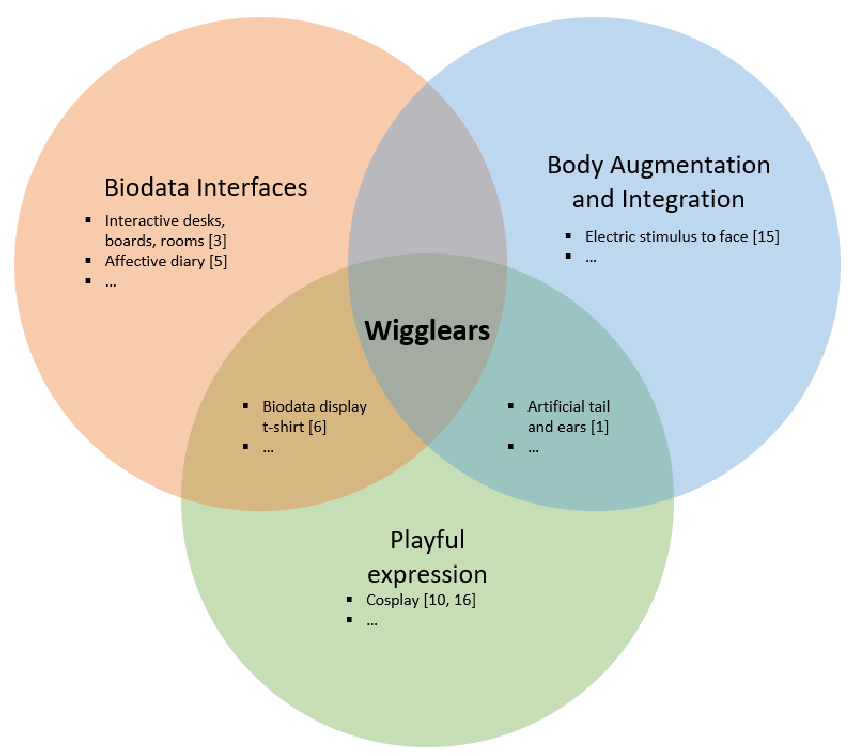 Figure 2: The intersection of Integration, Body Augmentation, and Biodata that defines Wigglears.
Critical Analysis: A Step Toward Integrated Self-Expression
Wigglears succeeds as a Proof of Concept for playful body augmentation. Its primary contribution is moving bio-signals away from numeric data on a screen and toward "kinesthetic expression."
Limitations & Future Outlook:
- Context Blindness: A significant drawback is that GSR measures arousal, not valence. The system cannot distinguish between "excited wiggling" and "anxious wiggling," which can lead to social misunderstandings.
- Future Directions: The author suggests the possibility of "inter-corporeal" control—where your ears wiggle based on my emotions—potentially opening new doors for empathy and companionship in long-distance communication.
Conclusion
Wigglears is more than just a "cosplay" accessory; it is a probe into the future of the Human-Computer Integration. It challenges us to think about how our bodies might evolve when they are no longer limited by biological hardware, but expanded by digital "organs" that reflect our inner lives.