
Modern Digital Activism: Decoding the Spillover Effect in the Saudi Women's Right to Drive Movement
Women’s Right to Drive: Spillover of Brokers, Mobilization, and Cyberactivism
This study investigates the "Women’s Right to Drive" movement in Saudi Arabia by analyzing three specific Twitter campaigns from 2013 (Oct26, Nov31, Dec28). It utilizes Social Movement Spillover Theory to quantify how activists, brokers, and digital resources transition between successive online collective actions.
TL;DR
Social movements in the age of Twitter are often viewed as distinct "bursts" of activity. However, this research proves that they are deeply interconnected lineages. By analyzing the 2013 Saudi Women’s Right to Drive campaigns, the authors demonstrate how a core group of brokers and shared digital resources (hashtags, videos) allow momentum to "spill over" from one campaign to the next, even in the face of increasing political friction.
Context: Beyond the "Isolated Event" Fallacy
In traditional computational sociology, events are often analyzed in silos. Researchers look at a hashtag, measure its peak, and declare the event over. This paper challenges that "discrete boundary" perspective. The authors argue that moving from one protest date to another is not a reboot, but a biological evolution of the movement itself.
In the context of Saudi Arabia—the only country at the time with a ban on women driving—the movement utilized Twitter not just for noise, but as a repository for Social Movement Spillover. This is the process where allied movements share activists, tactics, and collective identities to sustain long-term pressure.
Methodology: Mapping the Digital Connective Tissue
The study focused on three specific milestones in 2013:
- #Oct26Driving: The massive initial "mass driving" campaign.
- #Nov31Driving: A symbolic, open-ended campaign (using a non-existent date to signify continuity).
- #Dec28Driving: A reminder campaign to ensure the cause wasn't forgotten.
The researchers didn't just look at tweet counts; they built user interaction networks to find the "bridging nodes"—the individuals who exist in the overlap between these campaigns.
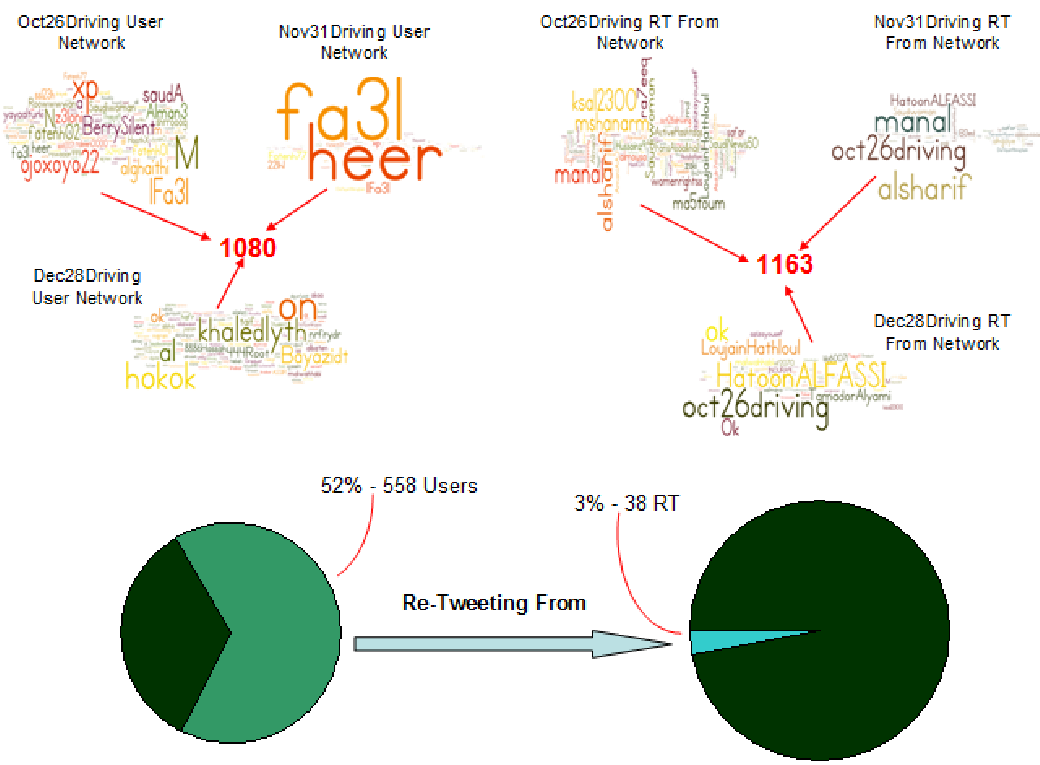
Figure 1: The overlap of unique users across the three 2013 campaigns, highlighting the core group of 1,080 persistent supporters.
Key Insights: Brokers and Resource Diffusion
The data revealed a highly concentrated power structure within the movement's digital landscape:
- Persistence of Activists: Out of 45,276 distinct members, 1,080 users participated in all three campaigns. More importantly, 1,163 activists were identified as "repeat" retweeters.
- The Power of the 38: Over half (52%) of the shared users were retweeting from a tiny elite group of 38 common brokers. These individuals acted as the movement's central nervous system, ensuring that instructions and morale-boosting content reached the wider audience.
- Resource Recycling: Spillover isn't just about people; it's about digital artifacts. The authors tracked YouTube videos and audio recordings that surfaced in Oct26 and were systematically "re-spilled" into Nov31 and Dec28.
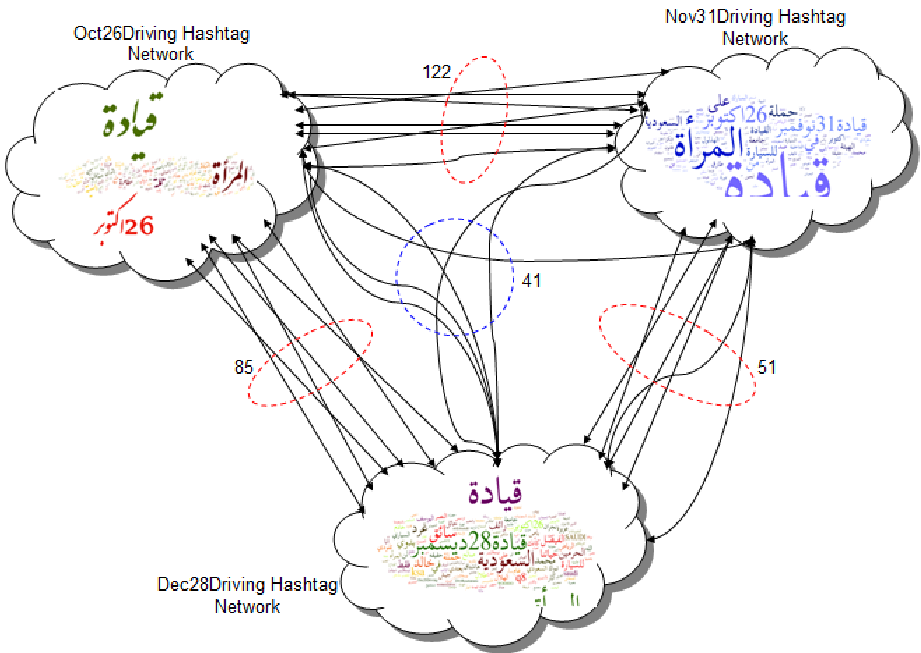
Figure 2: The diffusion of hashtags across campaigns. Notice how the movement creates a "shared vocabulary" that persists even as the specific campaign date changes.
Why Participation Dropped: The Price of Success
The researchers noted a significant decline in volume from October to December. While a simplistic analysis might call this "failure," the authors provide a more nuanced sociopolitical explanation: Government Repression. After the massive success of Oct26, the Saudi government increased arrests and punishments. The spillover effect explains how the movement survived this: by transitioning to symbolic dates (#Nov31) and "reminder" actions (#Dec28), the core brokers kept the movement alive even as the broader, more casual "supporters" retreated due to risk.
Critical Analysis & Takeaways
This paper revitalizes 1960s sociology for the 2020s. The core takeaway for researchers and digital strategists is that identity is the ultimate resource.
Limitations: The study relies heavily on Twitter data. In highly restrictive environments, "silent supporters" who consume but do not tweet or retweet (lurkers) are invisible to this methodology, potentially underestimating the true scale of the movement's reach.
Future Outlook: As platforms like Twitter/X evolve and others like Mastodon or Threads emerge, understanding how brokers navigate "platform spillover" (moving the fight from one app to another) will be the next frontier in studying cyberactivism. This work provides the foundational network metrics to do just that.
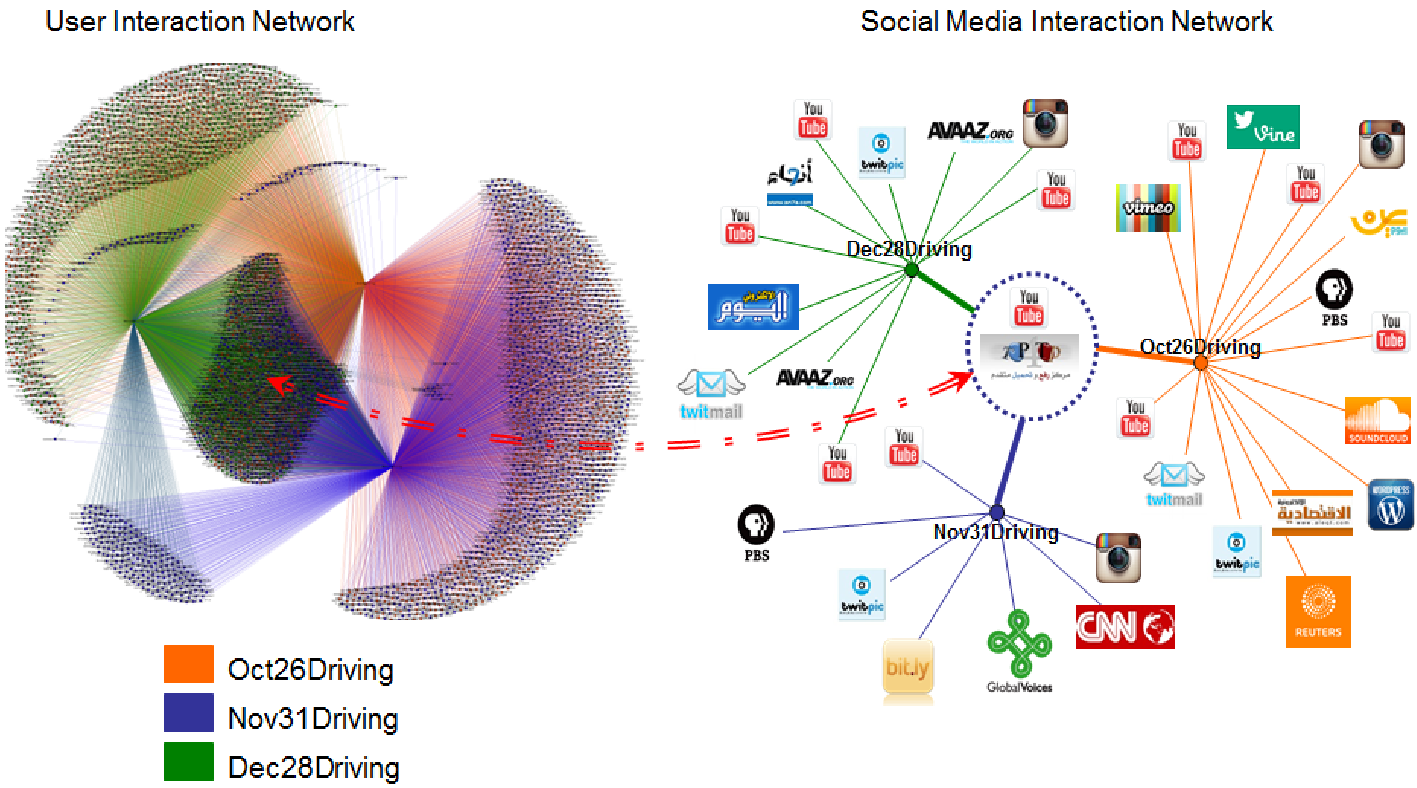
Figure 3: The relationship between the user network and the cross-platform media interaction network (YouTube, Audio, etc.).