
Xiao-Shih: Building a High-Precision Digital TA for MOOCs
Xiao-Shih: The Educational Intelligent Question Answering Bot on Chinese-Based MOOCs
This paper introduces Xiao-Shih, an intelligent question-answering bot designed for Chinese-based MOOCs using NLP and Random Forest (RF) algorithms. Evaluated on a "Python for Data Science" course, the system transitions from a basic text-similarity approach to a supervised machine learning model, achieving a high precision of 0.833 in providing correct educational responses.
TL;DR
Xiao-Shih is an intelligent QA bot developed for Chinese-based MOOC platforms (ShareCourse) to provide instant assistance to students. By moving beyond simple keyword matching to a Random Forest-based verification model, researchers boosted response precision from 41.3% to 83.3%, effectively creating a "sober and conservative" digital assistant that prioritizes accuracy above all else.
The Bottleneck: The "Wait Time" in Online Learning
The promise of MOOCs is learning "anytime, anywhere," but the reality is often "wait for an answer eventually." Asynchronous forums are the lifeblood of student interaction, yet waiting days for a TA to explain a Python bug can kill learning momentum.
Prior attempts at automation often suffered from two extremes:
- Low Precision: Simple text similarity matches the wrong questions, leading to confusing or incorrect answers.
- Generic Responses: General chatbots lack the domain-specific terminology (e.g., distinguishing between
pandas.DataFrameand a literal "data frame").
Methodology: From Similarity to Supervised Learning
The authors realized that Question Similarity is not enough. They built a pipeline that treats QA not just as a search problem, but as a classification problem: Is this retrieved answer actually correct?
1. The Keyword Engine (BM25 + N-gram)
To handle the technical nature of "Python for Data Science," the authors used the BM25 algorithm (an evolution of TF-IDF) to calculate word weights. By using N-grams (up to N=5), they captured complex terms like "Root Mean Square Error" that simple tokenizers would split into meaningless pieces.
2. Similarity Spreading
Recognizing that students use various synonyms, they implemented Similarity Spreading. If a student asks about a DataFrame, the system uses Word2Vec to "spread" the similarity score to related keywords like pandas or index, ensuring the Vector Space Model (VSM) captures the intent even if the exact words differ.
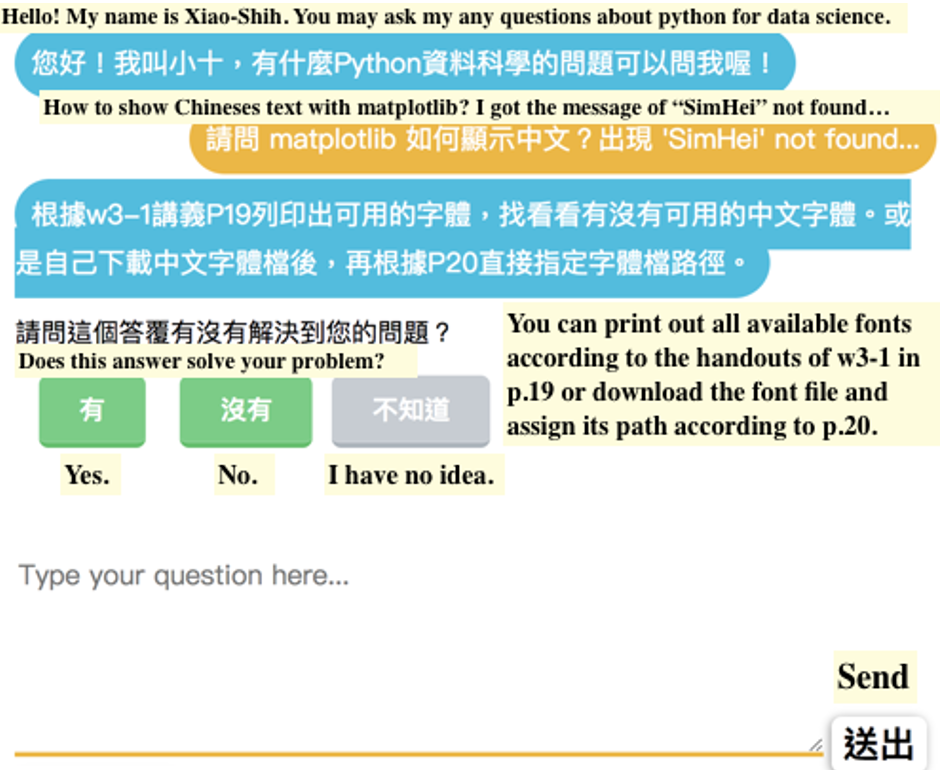 Figure 1: The multi-stage architecture from raw data collection to Random Forest modeling.
3. The Conservative Classifier (Random Forest)
The "secret sauce" is the application of a Random Forest (RF) model to decide whether to hit the "send" button. The RF model was trained on thousands of labeled pairs to predict the "correctness" of a potential match.
Experiments: Accuracy is King
In educational settings, a wrong answer is worse than no answer. The authors tuned the RF model to be conservative.
- Initial NLP Version: Reached only 41.3% precision.
- Xiao-Shih (with ML): Reached 83.3% precision.
The trade-off for this high precision is a lower "Response Rate." The bot only answers when it is highly confident. In testing, the confusion matrix showed zero False Positives—meaning the bot never gave an incorrect answer in its "correct" prediction category during training.
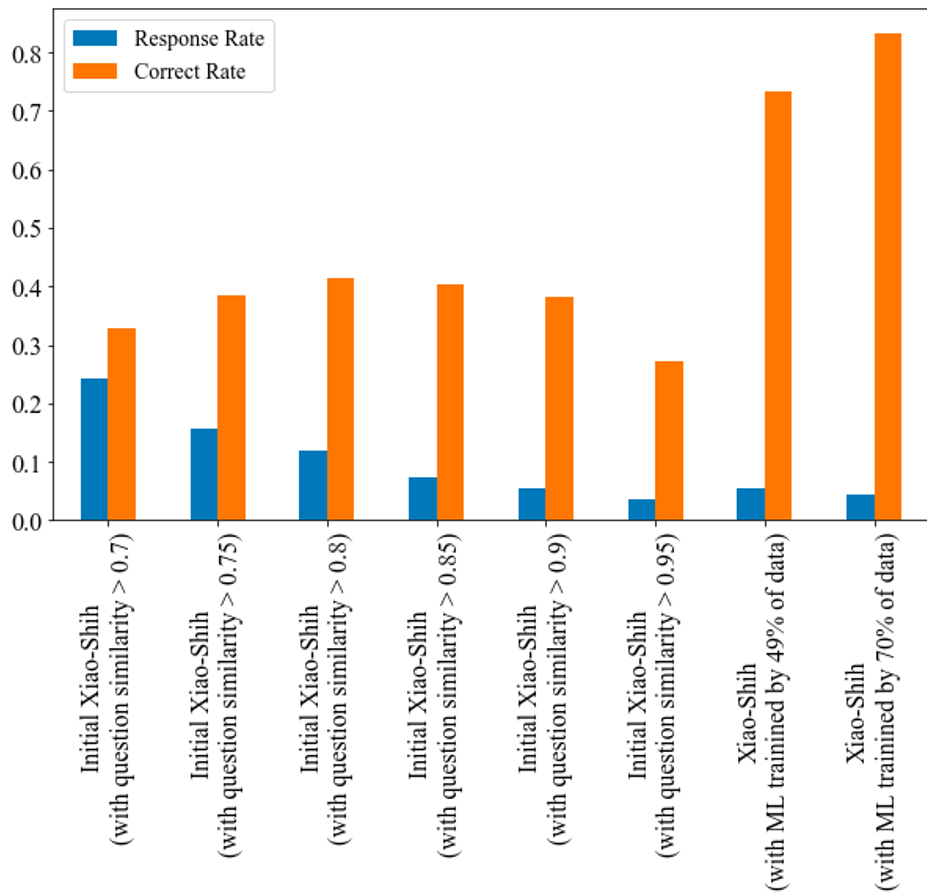 Figure 2: Comparative performance showing the massive jump in accuracy once Machine Learning was applied.
Critical Analysis & Takeaways
The Takeaway: Xiao-Shih demonstrates that in high-stakes environments like education, machine learning shouldn't just be used for finding answers, but for vetting them.
Limitations:
- Response Rate: At 4.4%, the bot remains silent for the majority of questions. This is a side effect of the small dataset size (roughly 1,000 threads).
- Manual Labor: The study still relied on 15% manual preprocessing to split multi-part questions.
Future Outlook: With the advent of Large Language Models (LLMs), the "conservative" filter proposed here could be adapted into a Verification Layer. Using a Random Forest to gate-keep an LLM's response could provide the perfect balance between the high recall of generative AI and the strict precision required by academic institutions.