
Ya Hasra: How Nostalgia Heals Divided Communities Through Digital Heritage
Ya Hasra: An Exploratory Study on Online Communities of Moroccan Jews, Christians and Muslims Dealing with Their Common Cultural Heritage
This exploratory study investigates online nostalgia communities consisting of Moroccan Jews, Christians, and Muslims sharing common cultural heritage on Facebook. It employs a mixed-methods approach to understand how "Nostalgia" drives information sharing and inter-religious dialogue in a non-conflictual digital environment.
TL;DR
In an era of polarized social media, can nostalgia serve as a bridge? This exploratory study investigates Moroccan Facebook groups where Jews, Christians, and Muslims unite to preserve a shared past. By focusing on "Ya Hasra" (an expression of nostalgic longing), the research demonstrates that memories of childhood and common traditions are more powerful than current political divisions in driving information sharing.
Context: The Digital Diaspora
The Moroccan diaspora is unique—a complex tapestry of Jews who left for Israel and the West, Christians (largely French nationals) who returned to Europe, and Muslims living abroad. This "Diaspora" utilizes Facebook to fill cultural gaps, seeking to reconnect with lost traditions through "Darija" (Moroccan Arabic) and French interactions.
The "Why": Nostalgia as a Reconstructive Tool
Most inter-religious research on social media identifies "echo chambers" and conflict. However, the authors argue that nostalgia functions differently. Following the theories of Fred Davis, these communities don't just remember the past; they recreate a version of it that serves current needs—specifically, the need for communal harmony and the re-establishment of friendships across religious lines.
Methodology: Mapping Memories
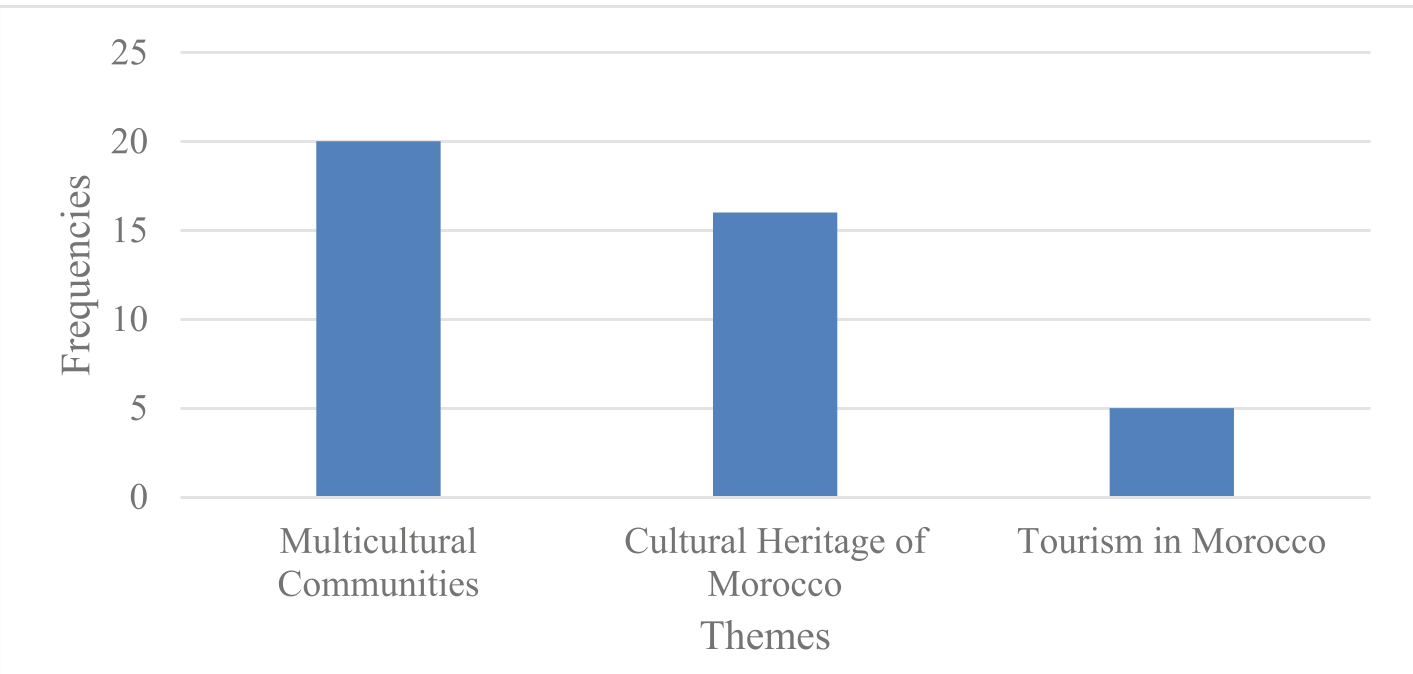
The research targeted 41 Facebook groups focused on multicultural relations, architecture, cooking, and folklore. Using a combination of Likert-scale questionnaires and qualitative open-ended questions, the authors mapped the "triggers" and "moments" that lead individuals to share information.
The Workflow of Information Behavior
- Triggers: Food (66.7%), school photos (53.3%), and music (46.7%).
- Psychological State: Negative current states (loneliness or loss of culture) trigger nostalgic longing.
- Action: Information sharing (posts, comments, identifying people in old photos).
Key Insights from the Data
1. Religion and Information Behavior
The study found a statistically significant correlation between religious background and the intensity of information sharing. Muslim participants showed the highest engagement (Mean = 3.82), followed by Jewish participants (Mean = 3.6). This suggests that for these groups, the Facebook community acts as a vital "Mastery of Life" tool to preserve an endangered identity.
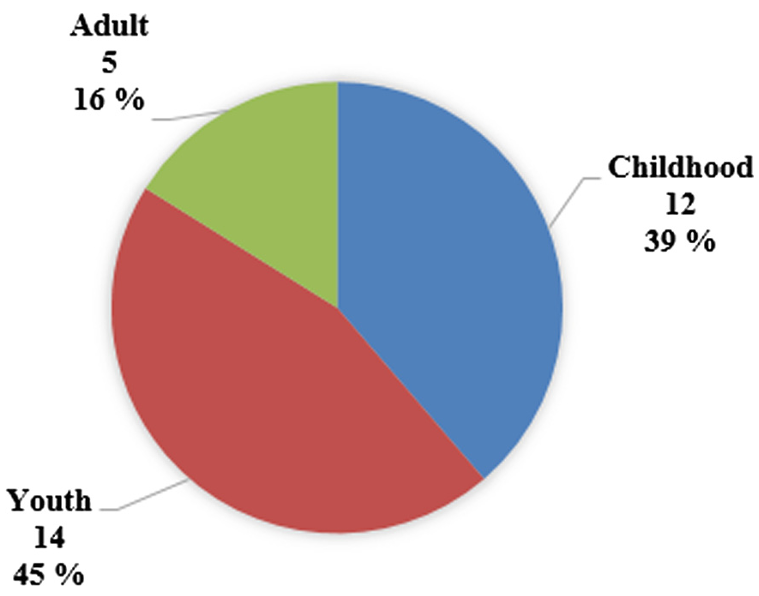
2. The Dominance of Youth
Unsurprisingly, the "Nostalgia Period" is almost exclusively focused on childhood and youth. This indicates that the shared cultural "golden age" occurred during formative years spent in Morocco before the major emigration waves.
3. Motivation: Beyond Simple Memory
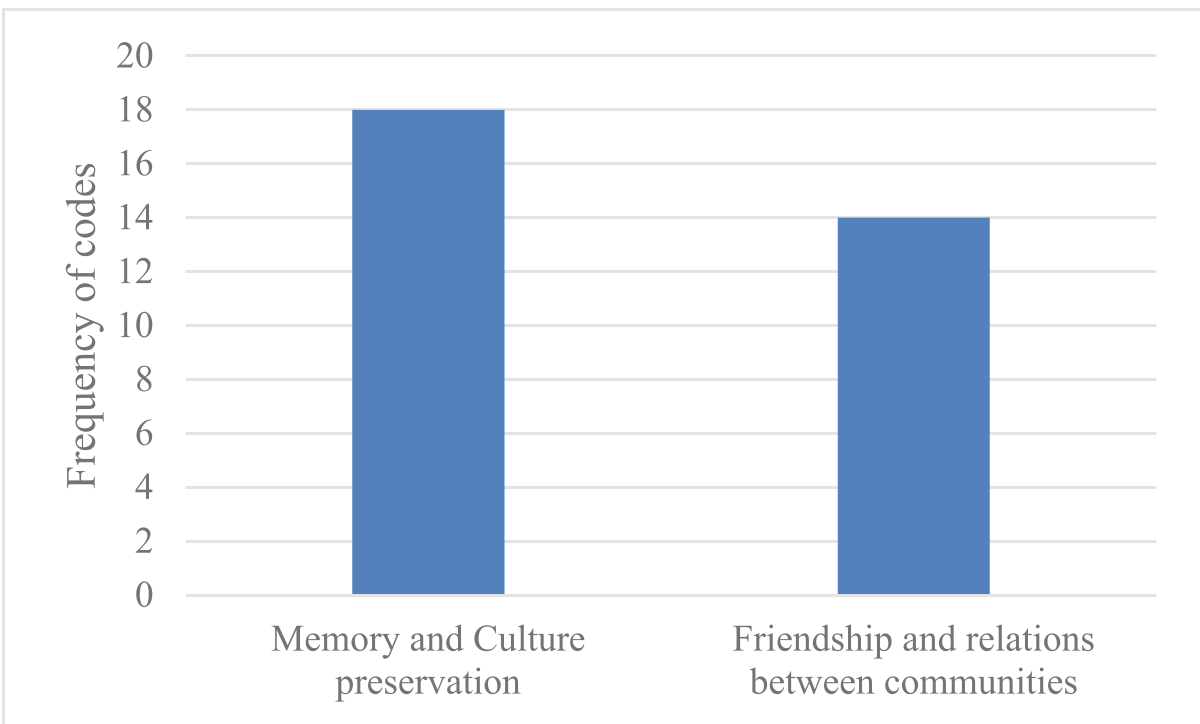
While 75% of participants share information to preserve heritage, a massive 58.3% participate specifically to express inter-community friendship. This demonstrates that the platform is not just a digital library, but a social "peace zone."
Critical Analysis & Conclusion
This paper offers a rare look at "non-conflictual" inter-religious encounters. The most striking takeaway is the total absence of political or commercial themes in these high-engagement groups.
Takeaway for Designers & Researchers: When building platforms for cultural heritage, "sensory triggers" (recipes, music, school records) are more effective than high-level historical narratives. Nostalgia humanizes the "other" by placing them back into the shared context of one's own childhood.
Limitations: The study is limited by its small sample size (N=32) and its focus on French-speaking users. Future research must expand into Arabic, Hebrew, and Amazigh to capture the full spectrum of the Moroccan experience.
Future Outlook: The authors intend to develop a formal model linking Nostalgia, Well-being, and Cultural Preservation, potentially providing a roadmap for other conflict-prone regions to find common ground through their digital past.