
Trusting the Machine: Why Young Australians Embrace Internet Banking
Young Australians' privacy, security and trust in internet banking
This study investigates the perceptions of privacy, security, and trust in internet banking among Australians, focusing specifically on Generations X and Y (ages 18-40). Combining qualitative interviews with a representative survey, the paper establishes that younger users exhibit significantly higher adoption rates and confidence in digital financial services compared to older demographics.
TL;DR
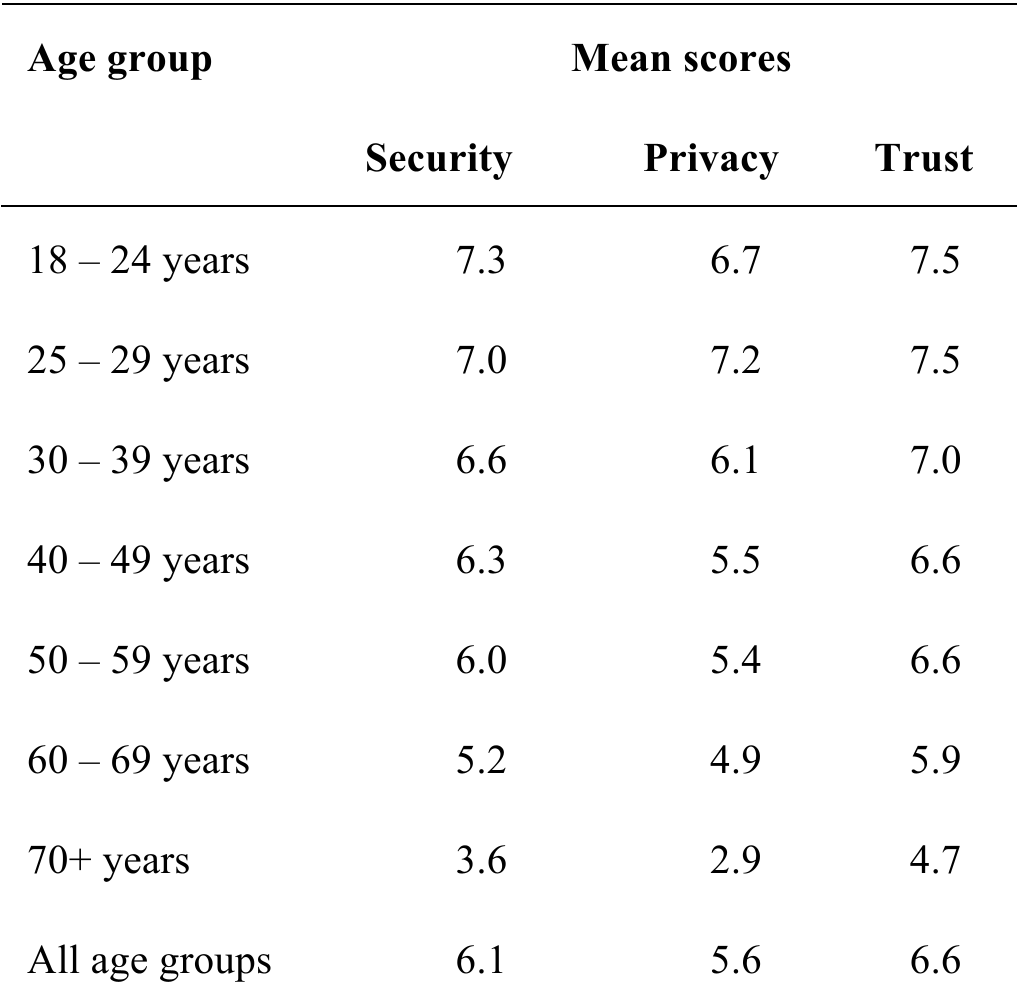
This study reveals that Generation X and Y in Australia view internet banking as significantly more secure and trustworthy than their older counterparts. While older users are deterred by fears of data breaches, younger users prioritize convenience and rely on their own digital expertise and a belief that the bank will ultimately "look after them" in case of fraud.
The Human Side of Security
For years, cybersecurity was treated as a military-grade cryptographic problem. This paper shifts the lens toward User-Centered Security. The authors argue that privacy isn't just about encryption; it's about control. The central paradox identified is that many young people continue to use services they know might be insecure because the friction of traditional banking is simply too high.
Methodology: Listening and Measuring
The researchers didn't just look at logs; they looked at lives.
- Qualitative Depth: 108 interviews exploring how families manage money and talk about risk.
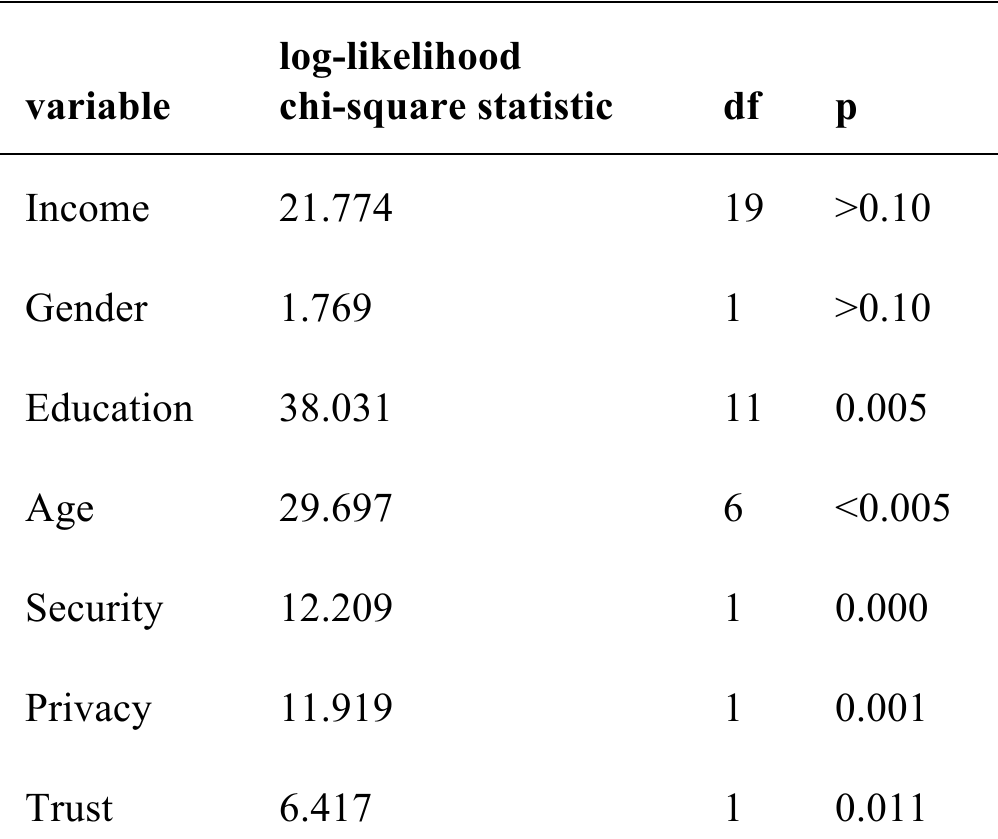
- Quantitative Breadth: A representative survey of 669 Australians, using logit regression to isolate what actually drives usage—Age and Education emerged as the heavy hitters.
Key Findings: The Generational Divide
The study highlights a stark contrast in digital confidence. Younger Australians (18-29) aren't necessarily naive; rather, they have a higher "Inductive Bias" toward digital interactions.
- The Expertise Factor: Young users feel they have the "know-how" to minimize risk, such as checking for the "lock" icon or managing their own PC security.
- Institutional Safety Net: A recurring theme was the belief in the bank's liability. If a "salami attack" or a fraudulent transaction occurs, users expect the institution to absorb the loss—a trust reinforced by the Australian EFT Code of Conduct.
- The Convenience Trade-off: As one participant noted, "I have a little bit of anxiety, but the convenience outweighs that."
Critical Insight: The "Head in the Sand" Approach
Interestingly, the qualitative data suggests that many Gen Y users choose not to think about security details. This "strategic ignorance" is a coping mechanism. They trust the brand and the system's maturity rather than the specific technical implementation of the website.
Future Outlook and Limitations
While the paper was published in a pre-ubiquitous smartphone era (2009), its insights into consumer psychology remain evergreen. The researchers warn that as banking moves into the "Cloud" and social media spheres, this high level of trust could be weaponized.
Key Takeaways for Today's Tech Leaders:
- Transparency is Non-negotiable: Legal jargon in privacy policies is a failure of design.
- Control is Trust: Features that allow users to toggle their own security settings (like temporary card blocks) are more effective than hidden backend upgrades in building user confidence.
- Regulators Must Mature: As financial aggregation services (like Mint or modern wealth apps) require users to share access codes, the legal framework must evolve to protect them.
Conclusion
Young Australians have integrated internet banking into their social and cultural fabric. Their trust is not a sign of technical ignorance, but a calculated bet on convenience and institutional protection. The challenge for the future is ensuring this trust isn't betrayed by the increasing complexity of the digital financial ecosystem.