

How to Build a Source-Checked Research Memo for a Client
A source-checked research memo is a short client-facing document in which every substantive claim can be traced to a specific source, and every source carries an explicit confidence level. The work is less about writing
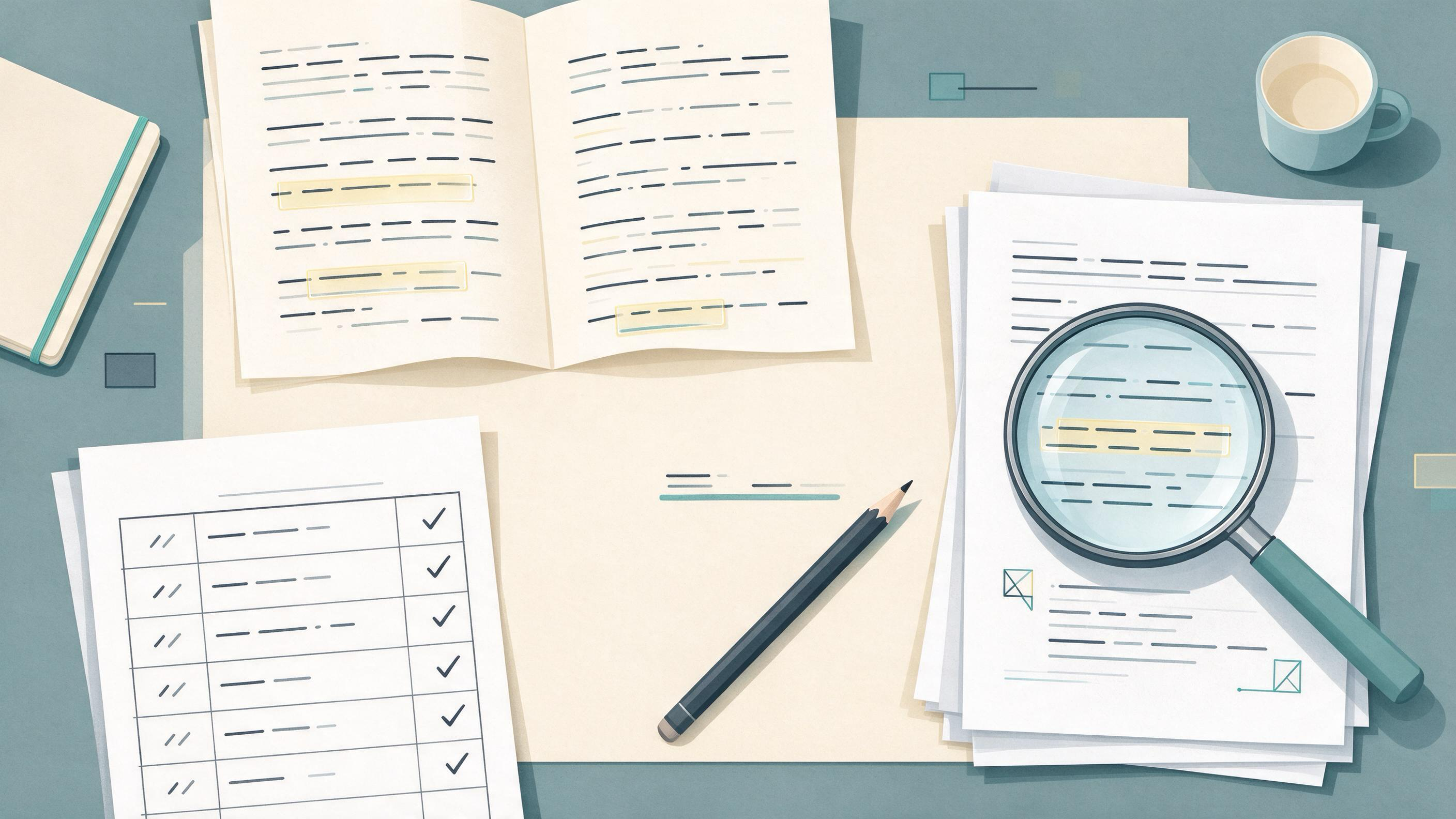
How to Check Whether Your Discussion Overstates the Evidence
Your Discussion section is where a study's findings become a claim about practice, mechanism, or future research. That is also where overstatement creeps in: a single trial's result becomes "the evidence shows," a surrog

How to Clean Up Research Notes Over Winter Break
Winter break is the rare stretch when you can stop producing new notes long enough to make the ones you already have usable. If you are finishing a course paper, a thesis chapter, or a first manuscript, the goal of a cle

How to Close a Research Project Without Losing the Evidence
Closing a research project is not the same as finishing the writing. The writing can be done while the evidence that supports it is scattered across browser tabs, downloaded PDFs, exported citation files, and half-rememb
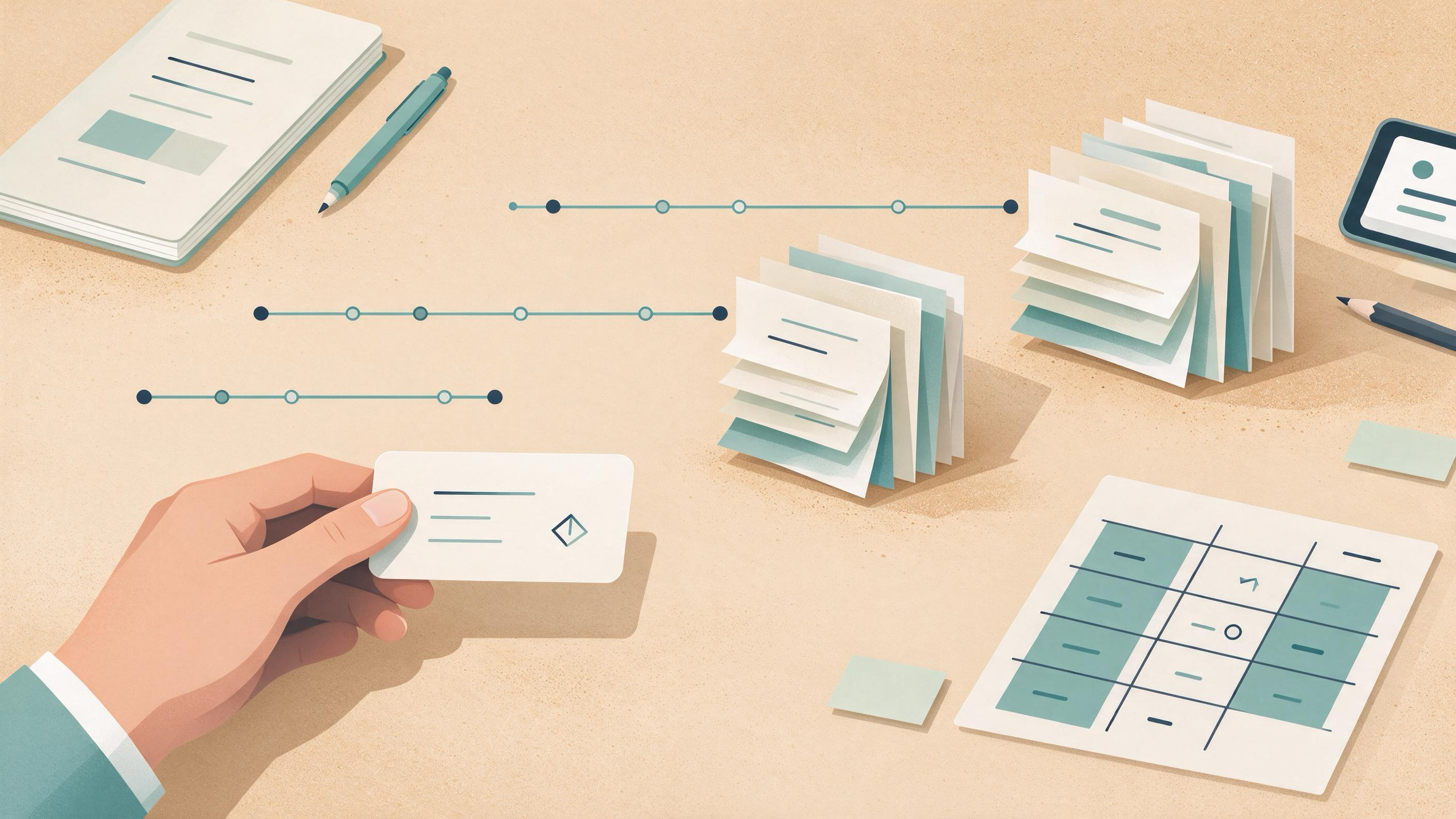
How to Compare Treatment Studies with Different Follow-Up Times
Comparing treatment studies with different follow-up times is a matching problem before it is a statistics problem. Two trials can report the same outcome label yet answer different questions because one measures events
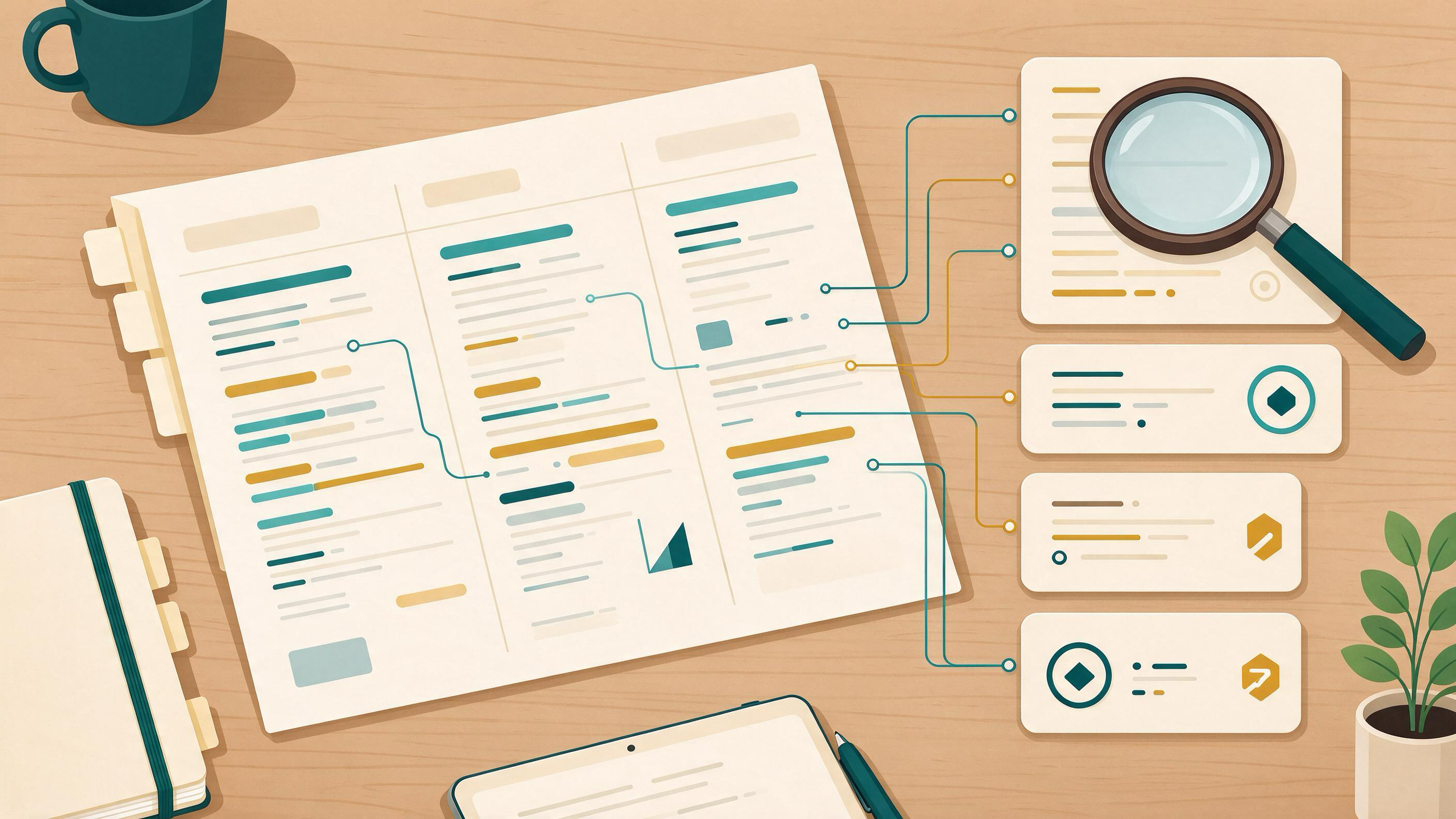
How to Connect Evidence Across Literature Review Sections
A literature review rarely fails because the sections are empty. It fails because the sections do not talk to each other: the background cites one set of papers, the methods section cites another, the discussion introduc
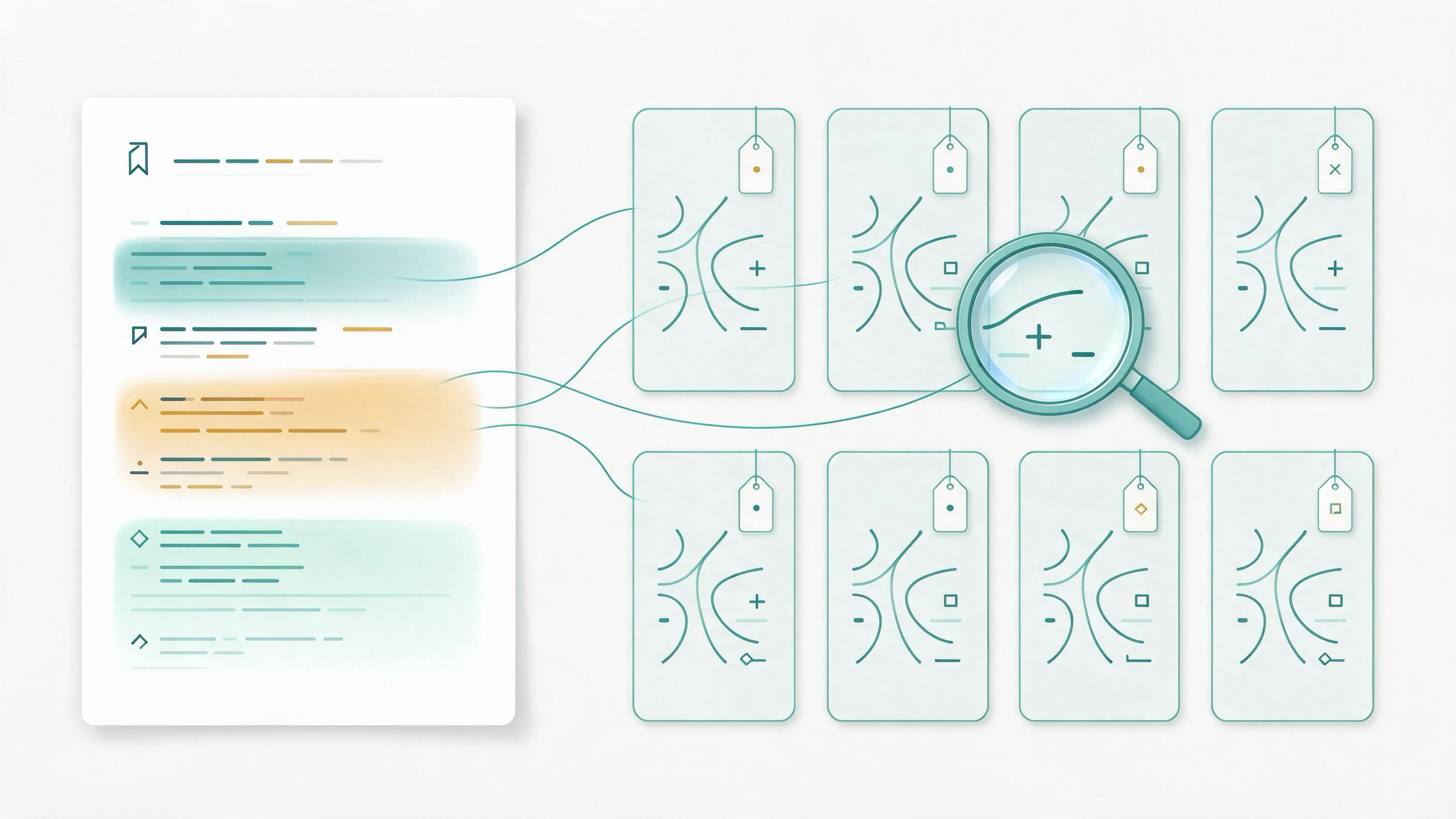
How to Convert Highlights into Structured Research Notes
Highlighting is the easy part. A PDF full of colored passages is not a research note; it is raw material that still has to be sorted, labeled, and connected to a question. Converting highlights into structured notes mean
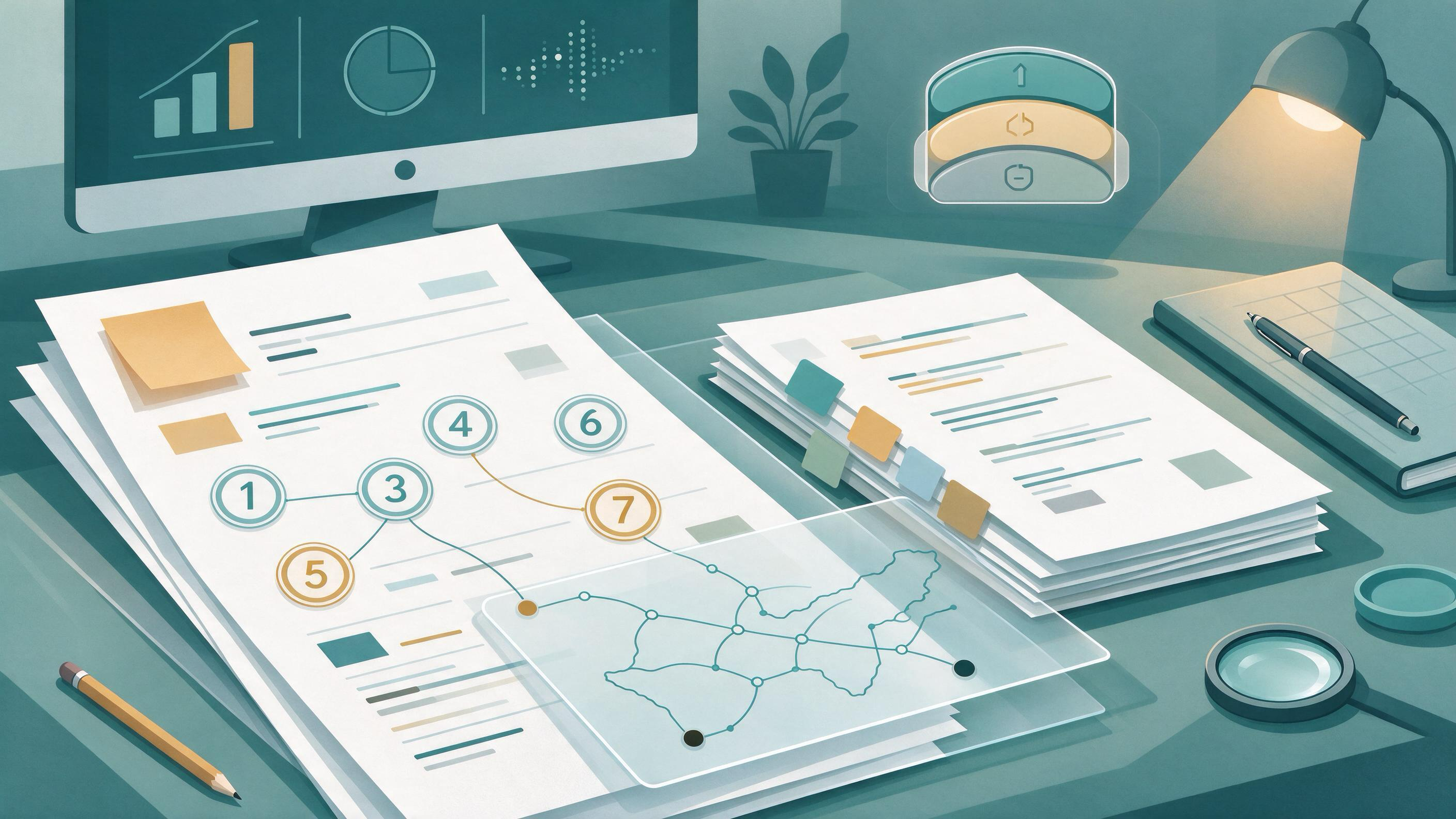
How to Create a Final Evidence Snapshot Before Submission
A final evidence snapshot is the frozen, self-describing record of what your deliverable rests on: the sources you used, how you found and screened them, what each one supports, and how confident you are in each claim. I
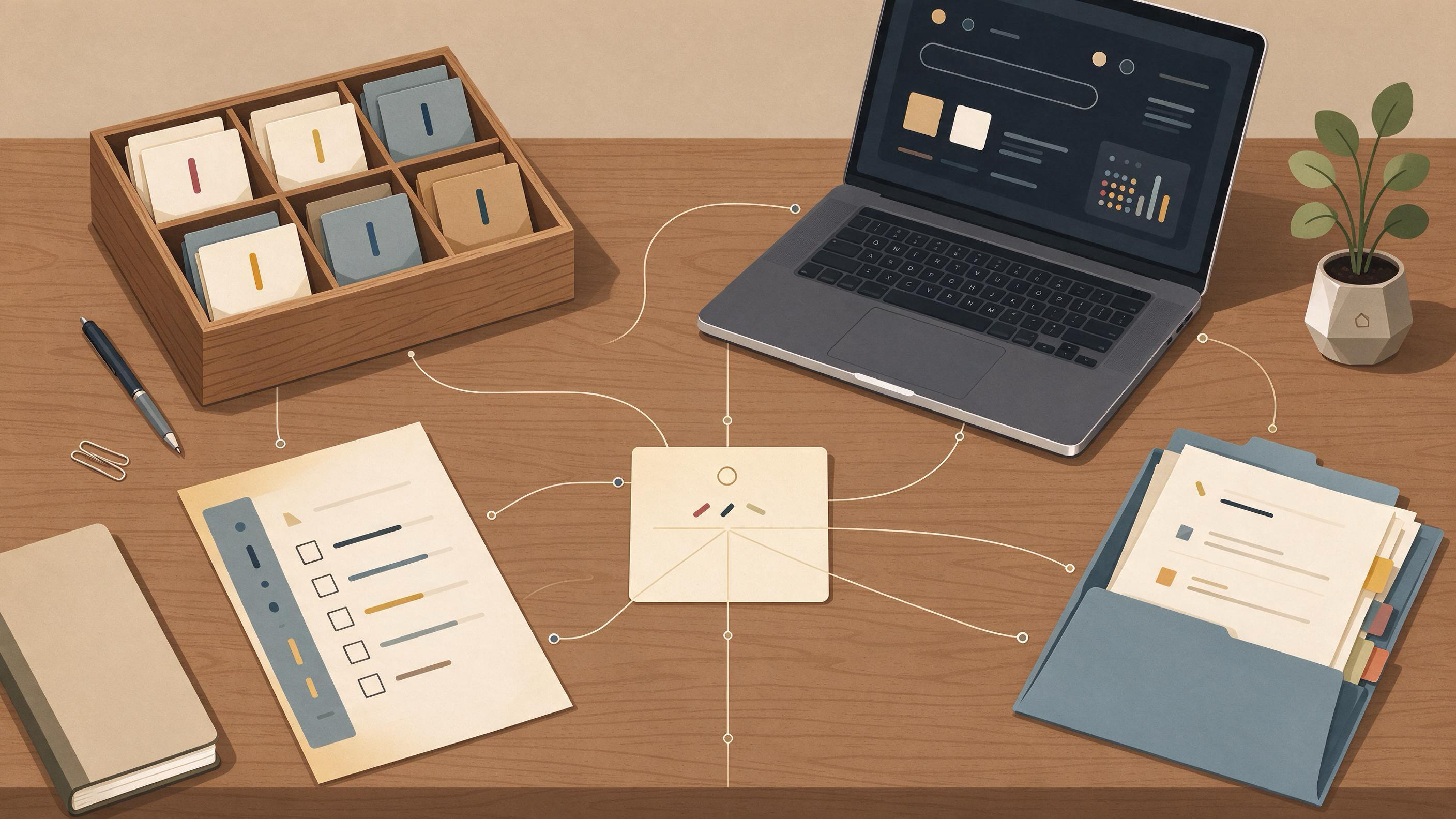
How to Create a Seed Library for a New Topic
A seed library is the small, deliberate core of sources you assemble when you enter an unfamiliar topic and need to move toward a manuscript, a review, a coauthor handoff, or a reproducible search. It is not a finished b
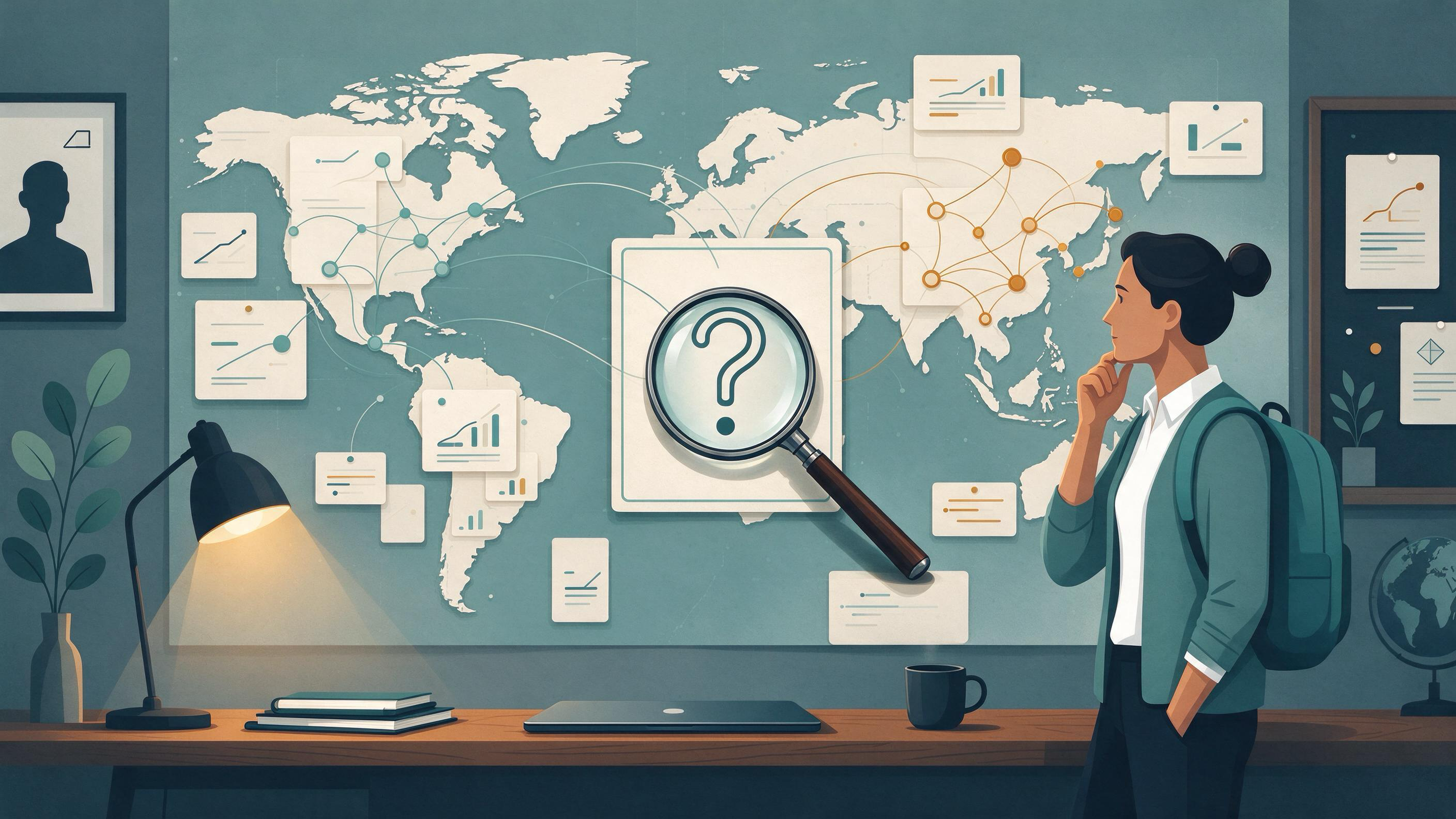
How to Find the Core Debate in a New Research Area
Entering an unfamiliar research area feels like walking into a conversation already in progress. The practical goal is not to read everything. It is to identify the central disagreement, understand what kind of evidence