
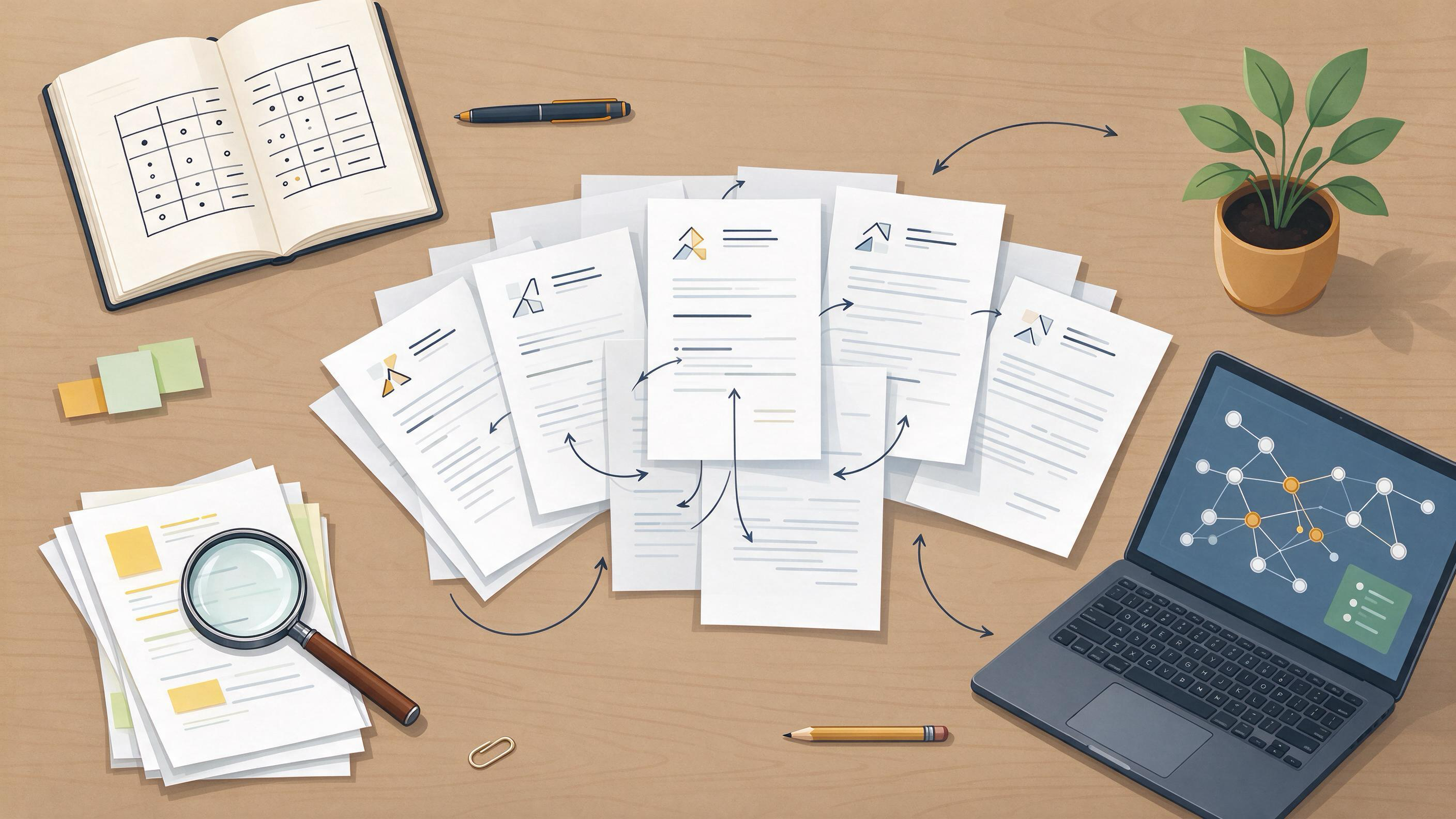
How to Identify the Papers Everyone in a Field Keeps Citing
Every field has a small set of papers that keep surfacing: in introductions, in method sections, in the reference list of the review you were just handed, and in the polite aside from a coauthor who says "you've read the
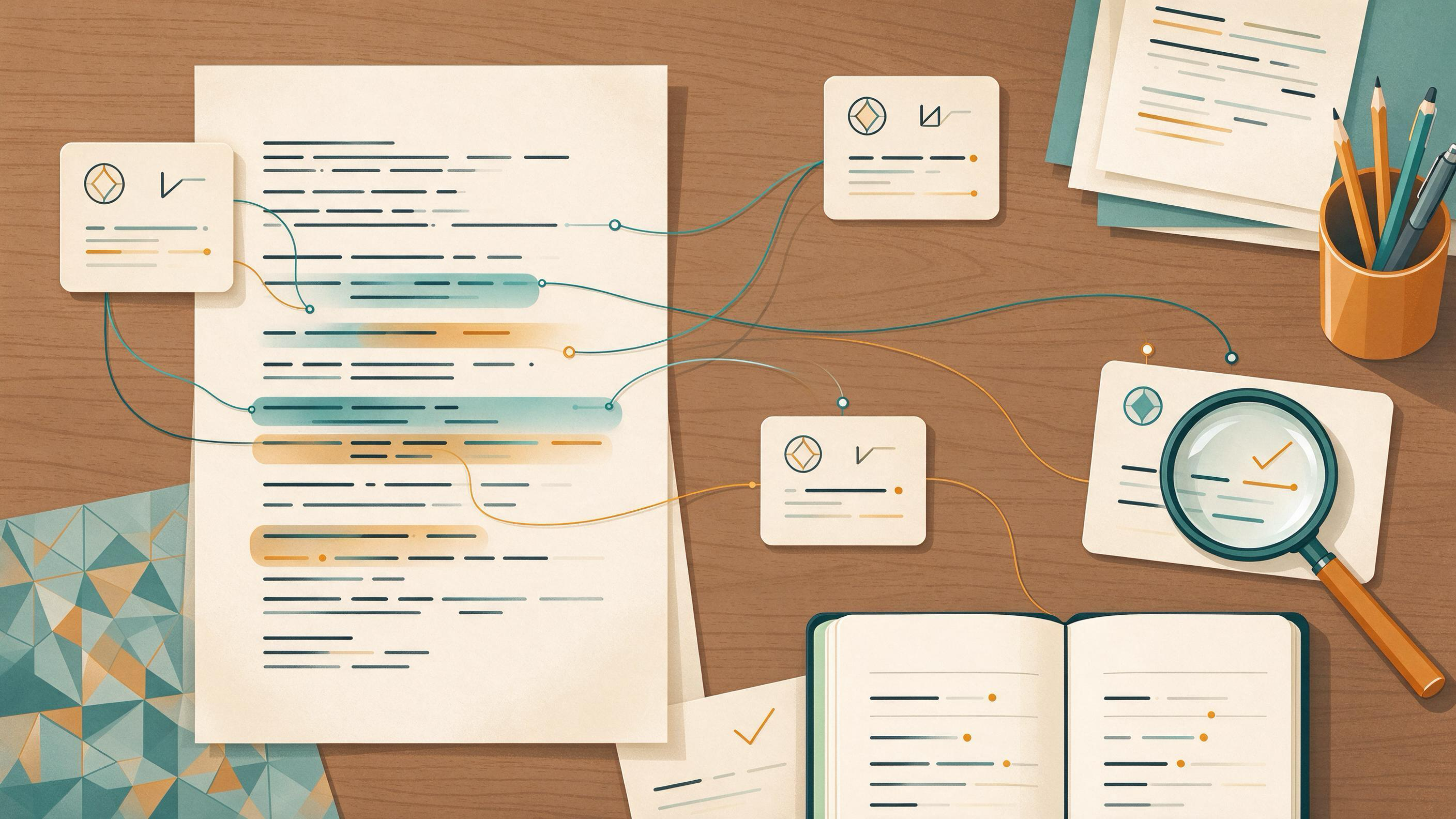
How to Keep Citations Attached to the Right Claims During Revision
Revision breaks citation-claim links quietly. A sentence gets reworded, a paragraph is reordered, a coauthor merges two claims, and the reference that once supported the point now sits beside a claim it never made. The f
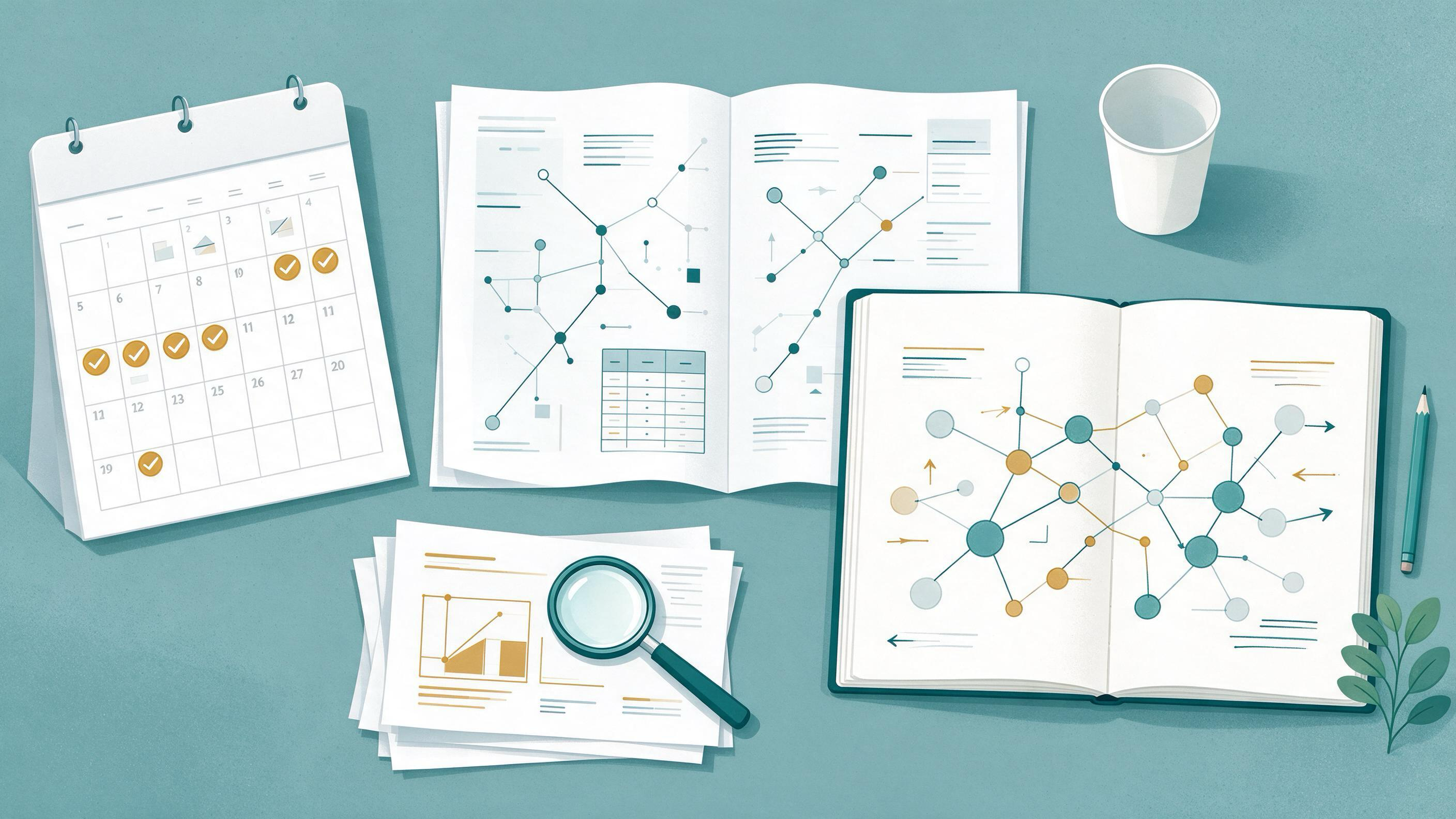
How to Map an Unfamiliar Research Field in One Week
Mapping an unfamiliar field in one week is a scoping task, not an exhaustive review. The goal is a defensible map: a documented search, a shortlist of anchor studies, a clear picture of the main evidence streams, and a w
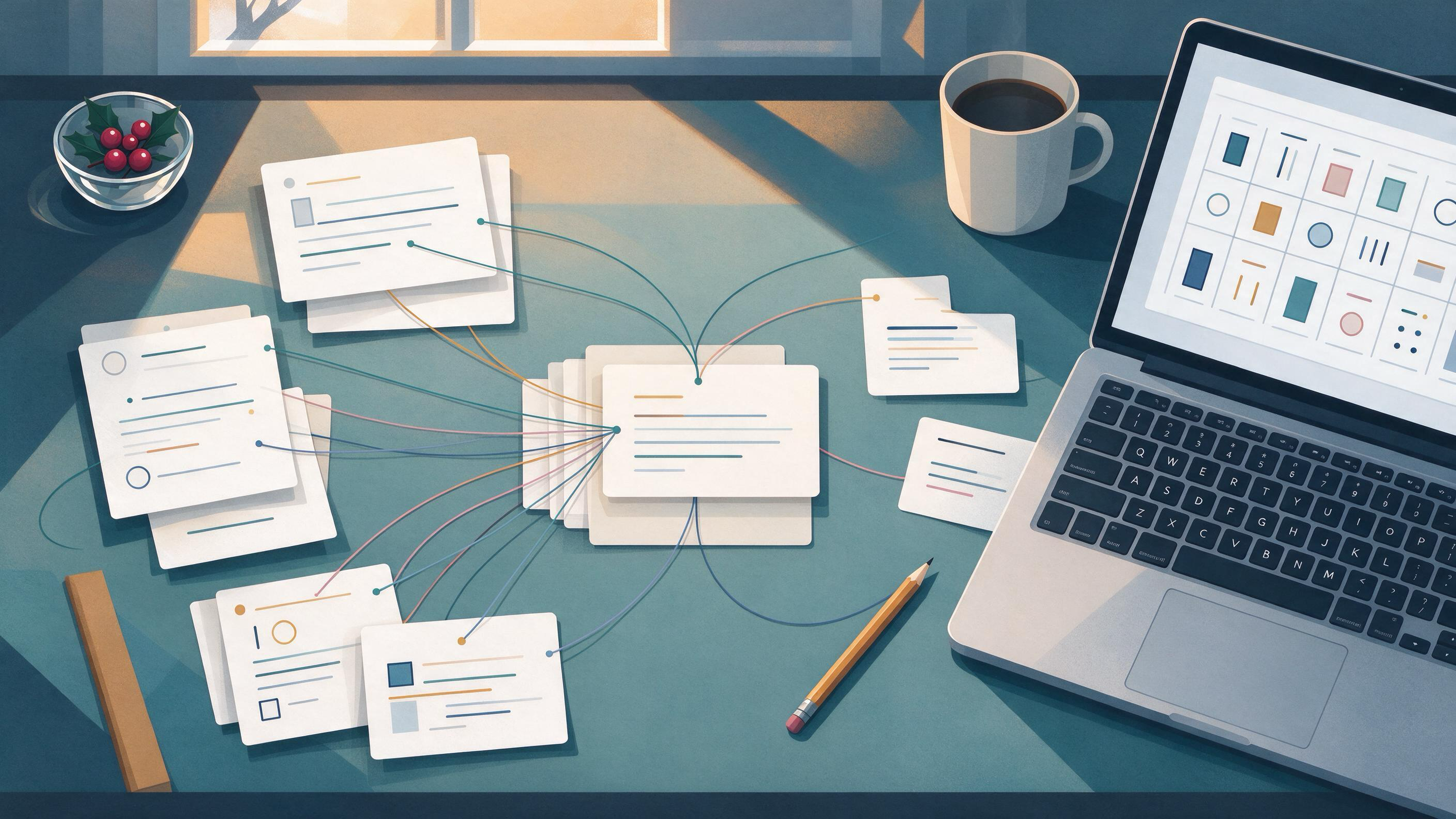
How to Merge Duplicate Notes Without Losing Useful Context
Duplicate notes usually appear for a predictable reason: the same paper, idea, or supervisor comment gets captured more than once, in different places and at different moments. One copy lives in a reading list, another i
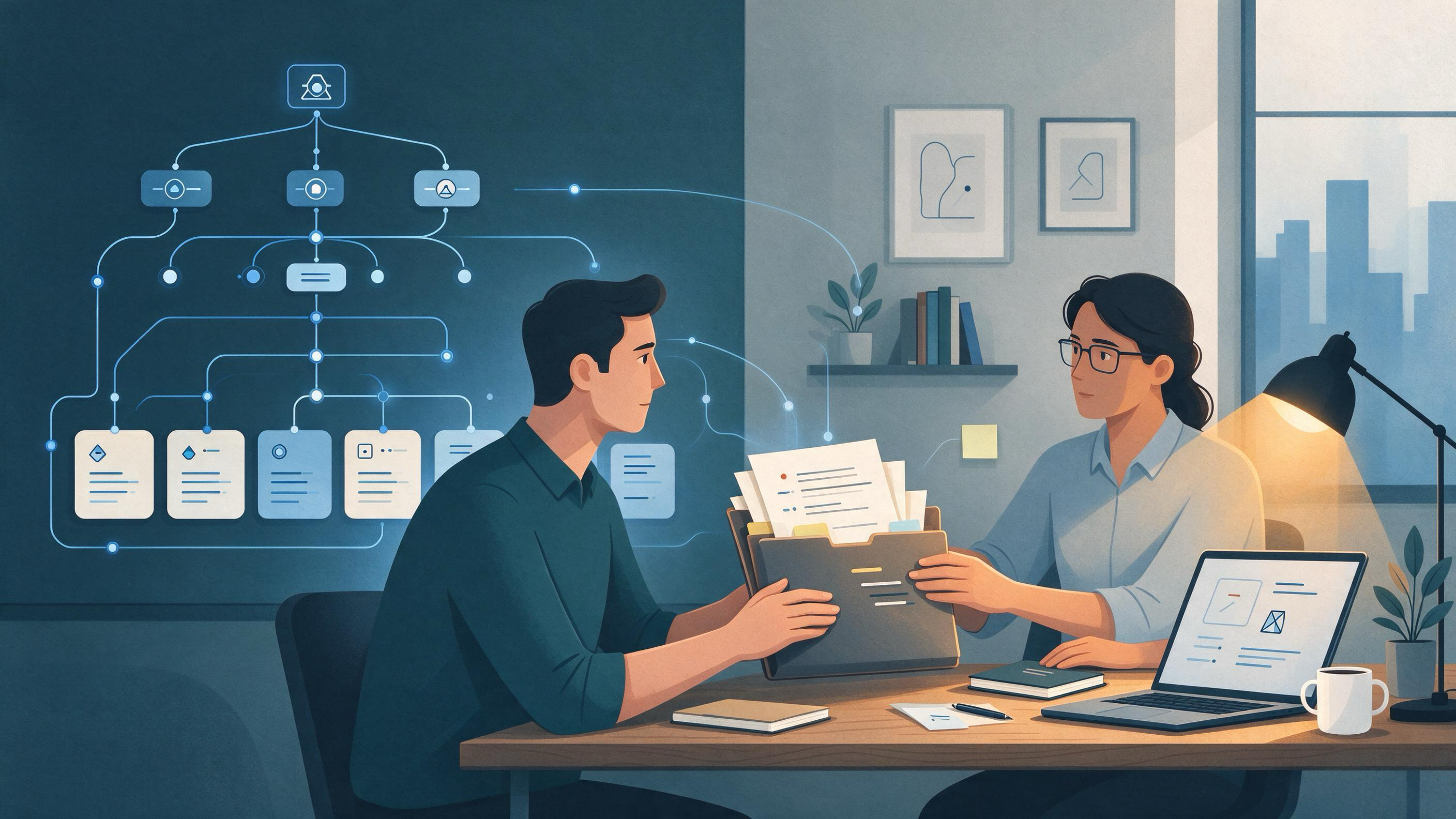
How to Onboard a New Collaborator to a Literature Review
Onboarding a new collaborator to a literature review means transferring not just a folder of PDFs but a working method: the eligibility criteria, the search logic, the screening decisions already made, and the evidence t
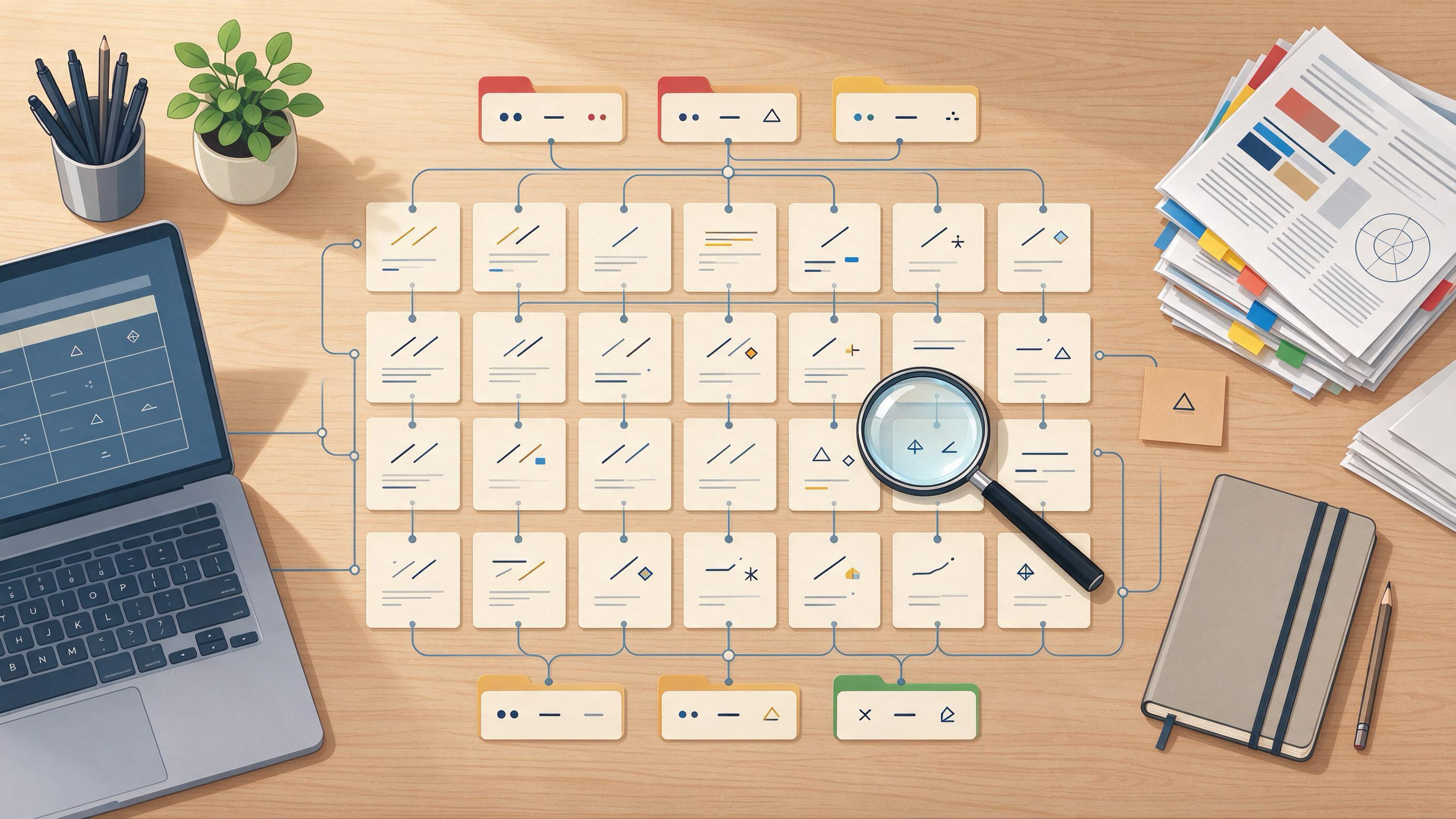
How to Organize Research Papers for a Thesis
Organizing research papers for a thesis means turning a pile of PDFs and half-remembered citations into a structured, documented evidence base that maps onto your chapters. The practical answer is a repeatable pipeline:
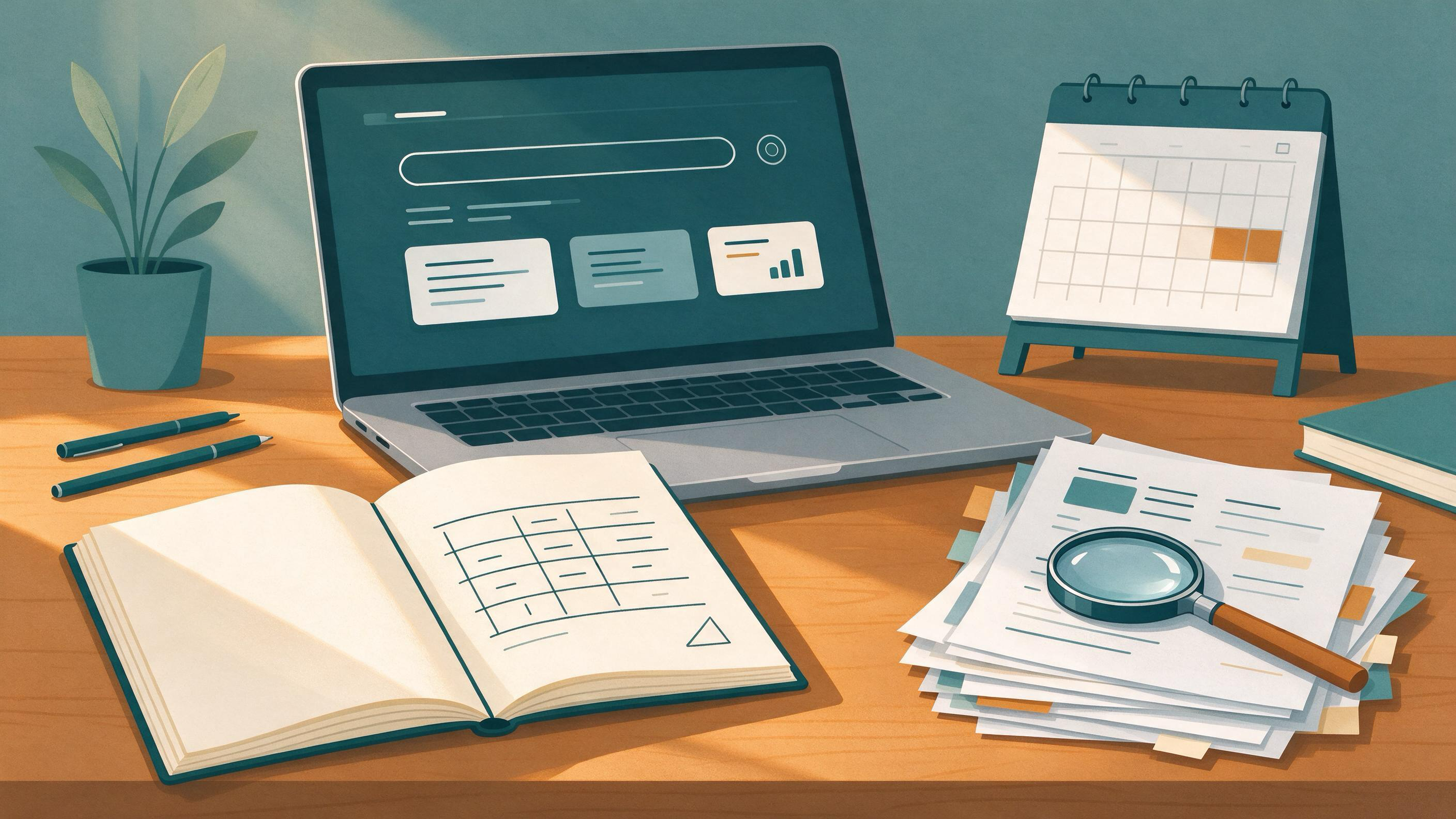
How to Plan the First Search for a New Thesis Topic
A new thesis topic rarely arrives fully formed. More often you have a rough direction, a supervisor's comment, or a folder of half-read papers, and you need to find out whether the topic is real, crowded, or still open.
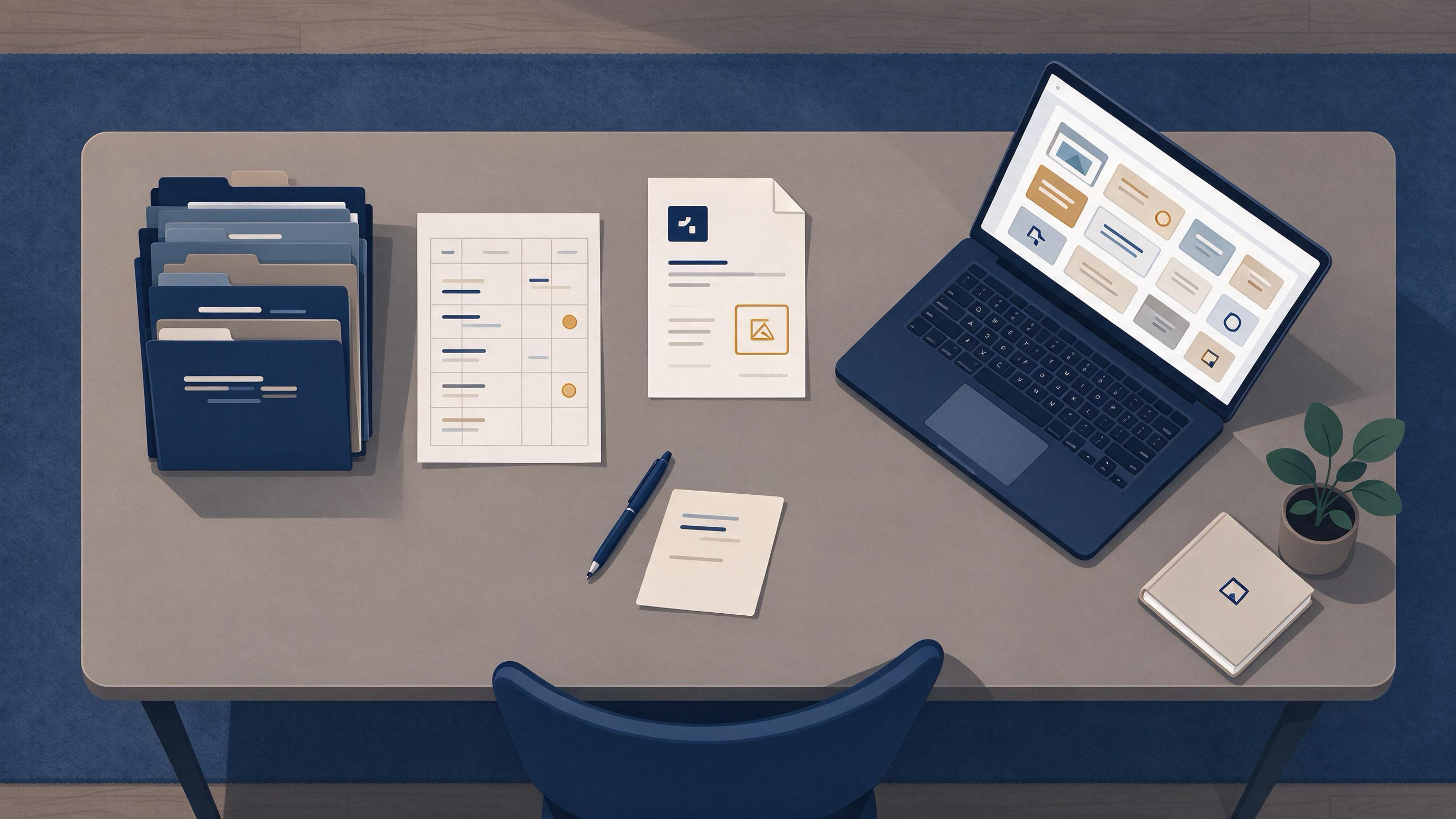
How to Prepare a Clean Source Pack for a Coauthor
A source pack is the bundle of records, files, and notes that lets a coauthor see exactly what you searched, what you kept, what you set aside, and why. A clean pack answers those questions without a meeting. It is the d
How to Prepare a Clinical Evidence Brief for a Team Meeting
A clinical evidence brief is a short, decision-oriented document that tells a team what the evidence says about a focused question, how strong and how applicable that evidence is, and what the team should discuss next. P
How to Prepare a Research Draft for Supervisor Feedback
A supervisor's time is the scarcest resource in your project. The difference between feedback that moves your thesis forward and feedback that stalls it is rarely the quality of your prose — it is whether the draft arriv