
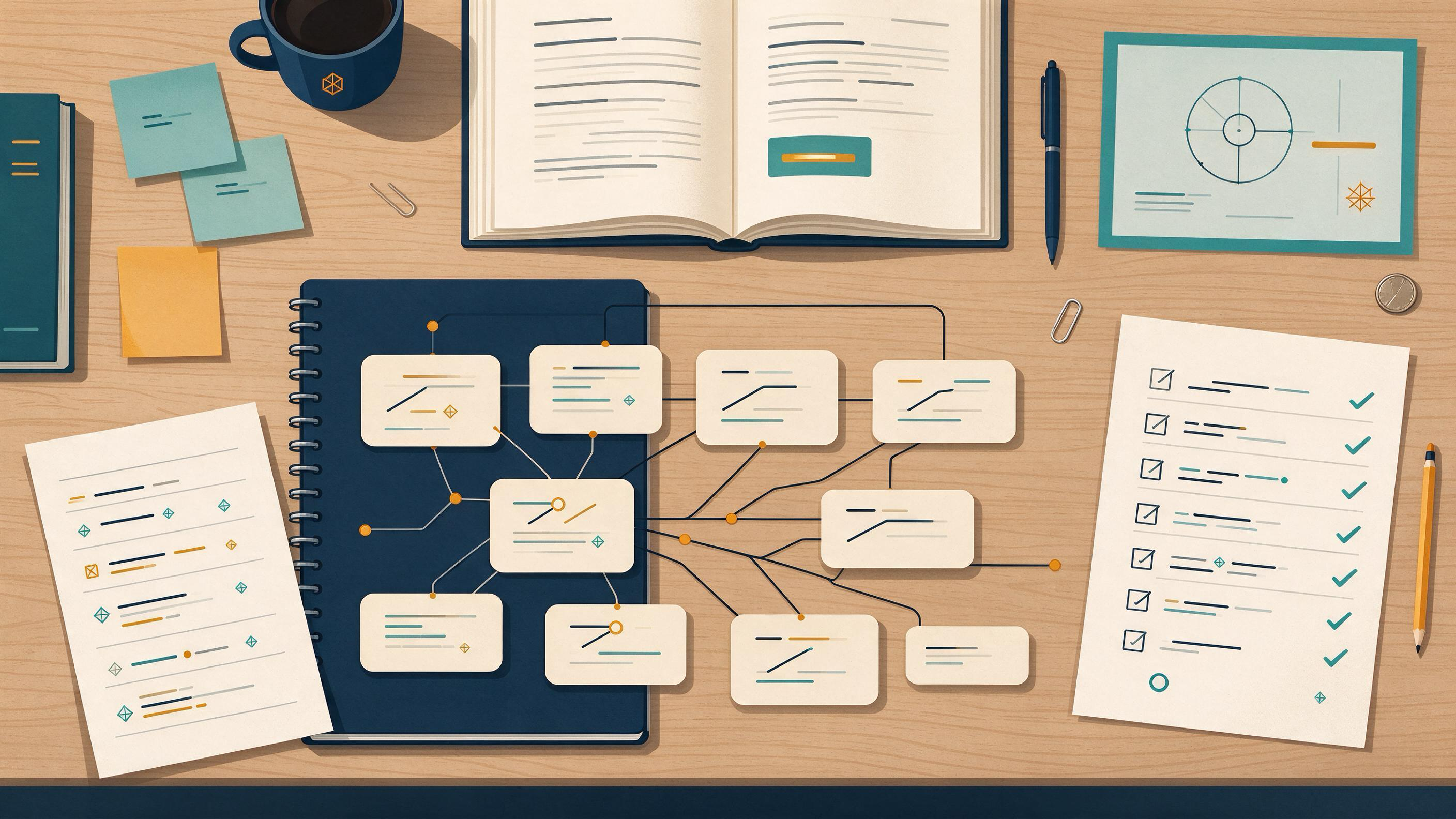
How to Prepare the Literature Check for a Replication Study
A replication study stands or falls on whether you can show that you knew what the original study claimed, what later work said about it, and where your search stopped. The literature check is the part of the project tha

How to Preserve Your Research Trail for a Future Update
A future update is any moment when you must return to a finished or paused project and change it: a supervisor asks for a revised chapter, a reviewer requests a new search, or you restart a paper after a break. The pract
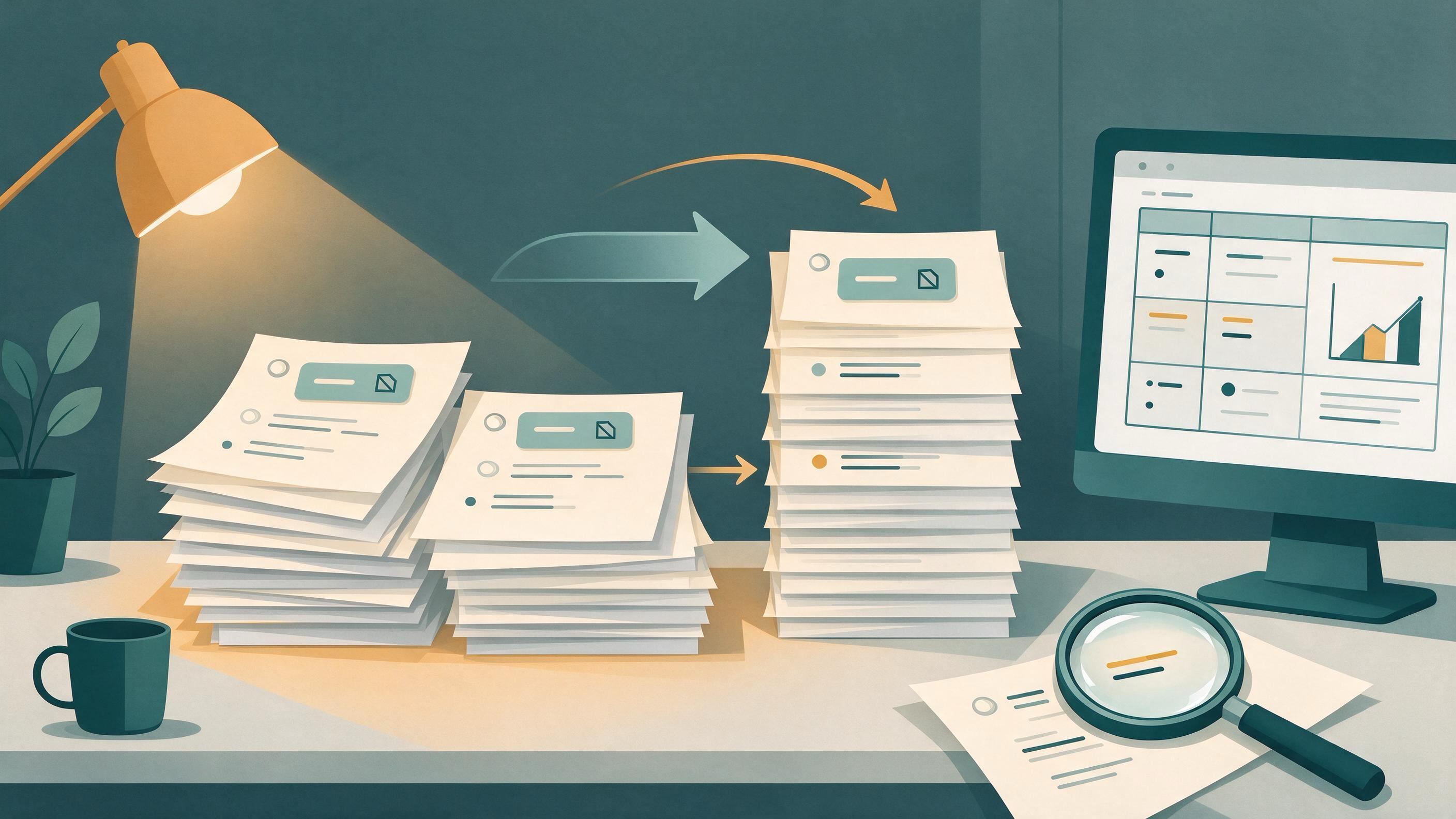
How to Reconcile Two Coauthors' Reference Libraries
Two coauthors can each hold a defensible reference library and still produce a merged bibliography that is wrong. The usual failure is not missing papers; it is duplicate records that look different, identifiers that poi

How to Recover the Logic of an Old Research Project
An old project rarely fails because the ideas were bad. It stalls because the reasoning that connected the question, the search, the screening decisions, and the draft has gone quiet. Recovering that logic means rebuildi

How to Restart a Literature Review After a Long Break
A long pause does not erase the work you did; it changes what you can trust. Notes may be stale, saved searches may have drifted, and the question itself may have sharpened. The practical way back is not to reread everyt

How to Restart a Research Project After a Break
A research project that has been paused rarely resumes cleanly. Files have drifted, search strategies have aged, and the question itself may have shifted. The practical task is not to "get motivated" but to rebuild a def

How to Review a Backlog of Saved Papers Without Reading Everything
A backlog of saved papers is not a reading list. It is a pile of unresolved decisions. You saved each item because it might matter to a project, but you never decided what role it would play. Reviewing the backlog means

How to Revise a Literature Review After Your Research Question Changes
A changed research question does not usually mean the review is wasted. It means the review now has two jobs: keep the old work auditable, and rebuild the search and synthesis around the new question. The practical answe
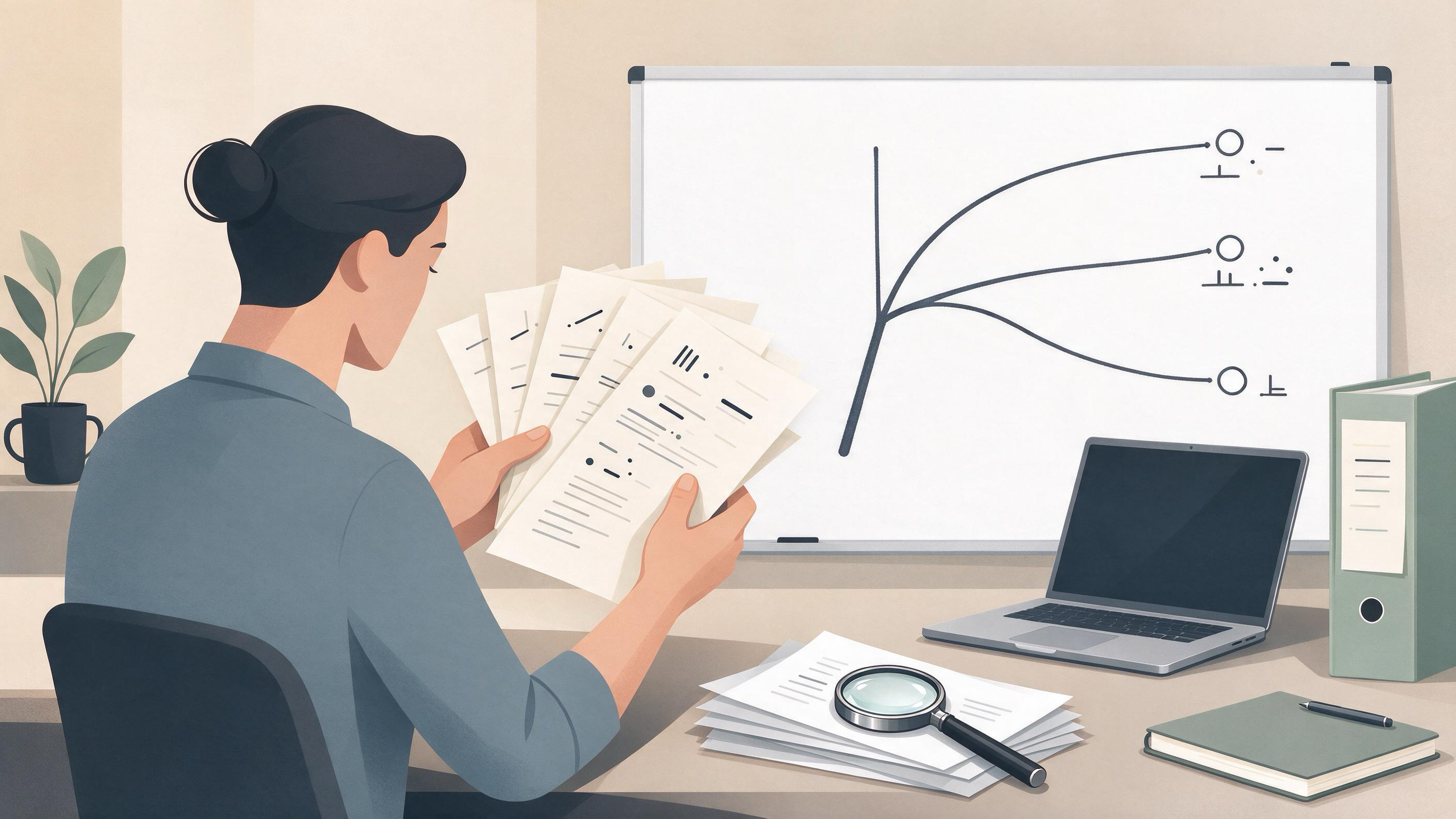
How to Run a Feasibility Search Before Committing to a Topic
A feasibility search is a bounded, documented scoping search you run before you commit a manuscript, a coauthor team, or a lab handoff to a topic. Its job is not to prove your idea is novel. Its job is to answer three pr
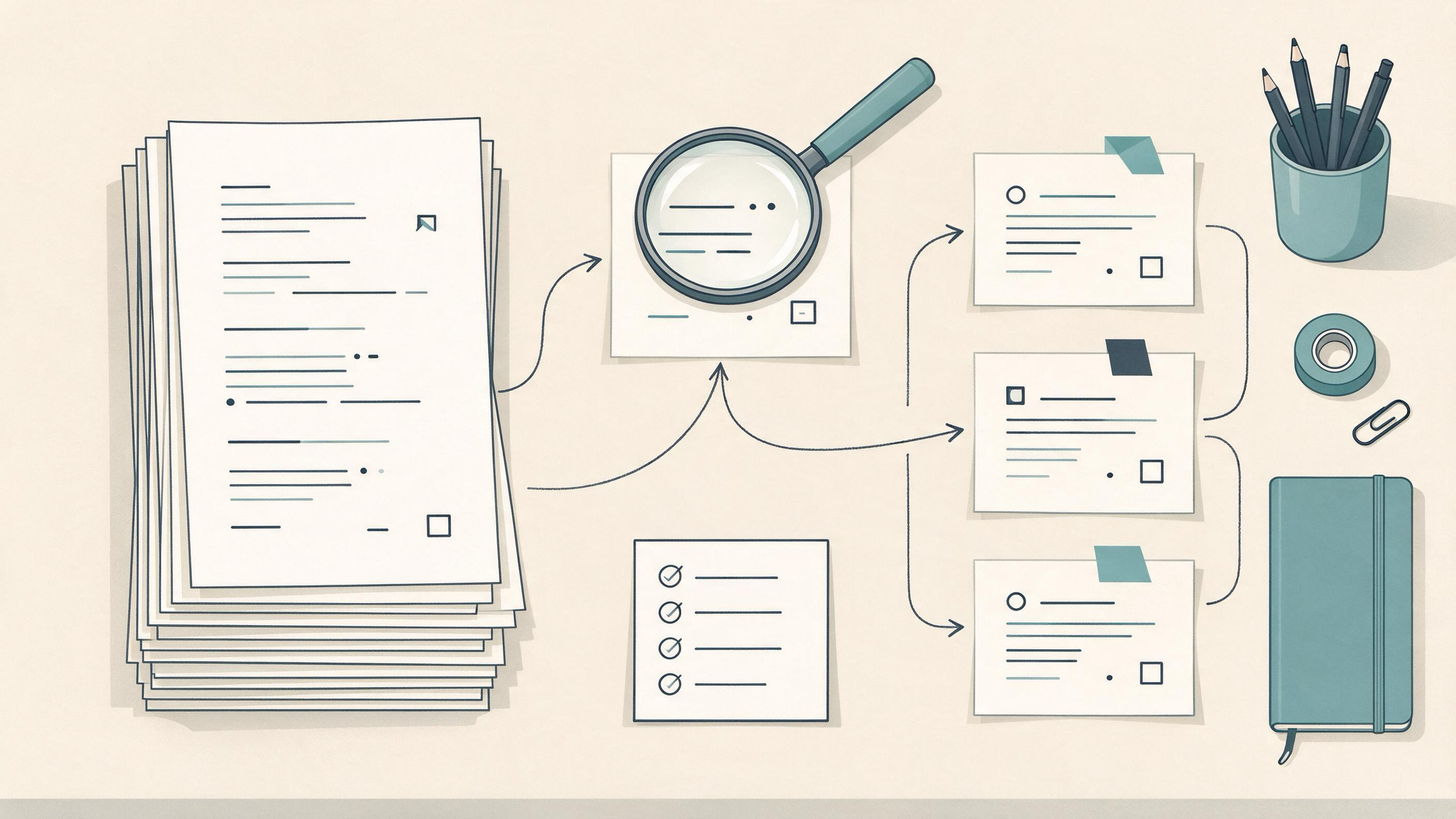
How to Separate Foundational Papers from Merely Popular Papers
A paper with a high citation count is not automatically the paper your argument needs. Foundational work earns its place because later studies build on it, replicate it, or define a field's terms; popular work may simply