

How to Stop Writing a One-Study-at-a-Time Literature Review
A one-study-at-a-time review reads like a stack of paper summaries: Study A found this, Study B found that, Study C found something else. It is easy to write and hard to use, because the reader still cannot see what the

How to Trace a Guideline Recommendation Back to Its Evidence
Tracing a guideline recommendation back to its evidence means reconstructing the chain from a specific recommendation statement to the studies that support it, then judging how well those studies fit the population and o

How to Track Terminology Changes Across Decades of Research
A term that names your topic today may have carried a different meaning, or no meaning at all, thirty years ago. Tracking terminology across decades means building a search and documentation method that captures those sh

How to Track Who Verified Each Claim in a Team Project
A claim tracker answers one question fast: for every factual sentence in the draft, who checked it, against what source, and when. The practical way to build one is to treat verification as a small, repeatable workflow r

How to Turn a Broad Reading List into Weekly Research Questions
A broad reading list is a starting condition, not a research plan. The practical move is to convert that list into a small set of answerable questions, one week at a time, each tied to a defined population, a defined out
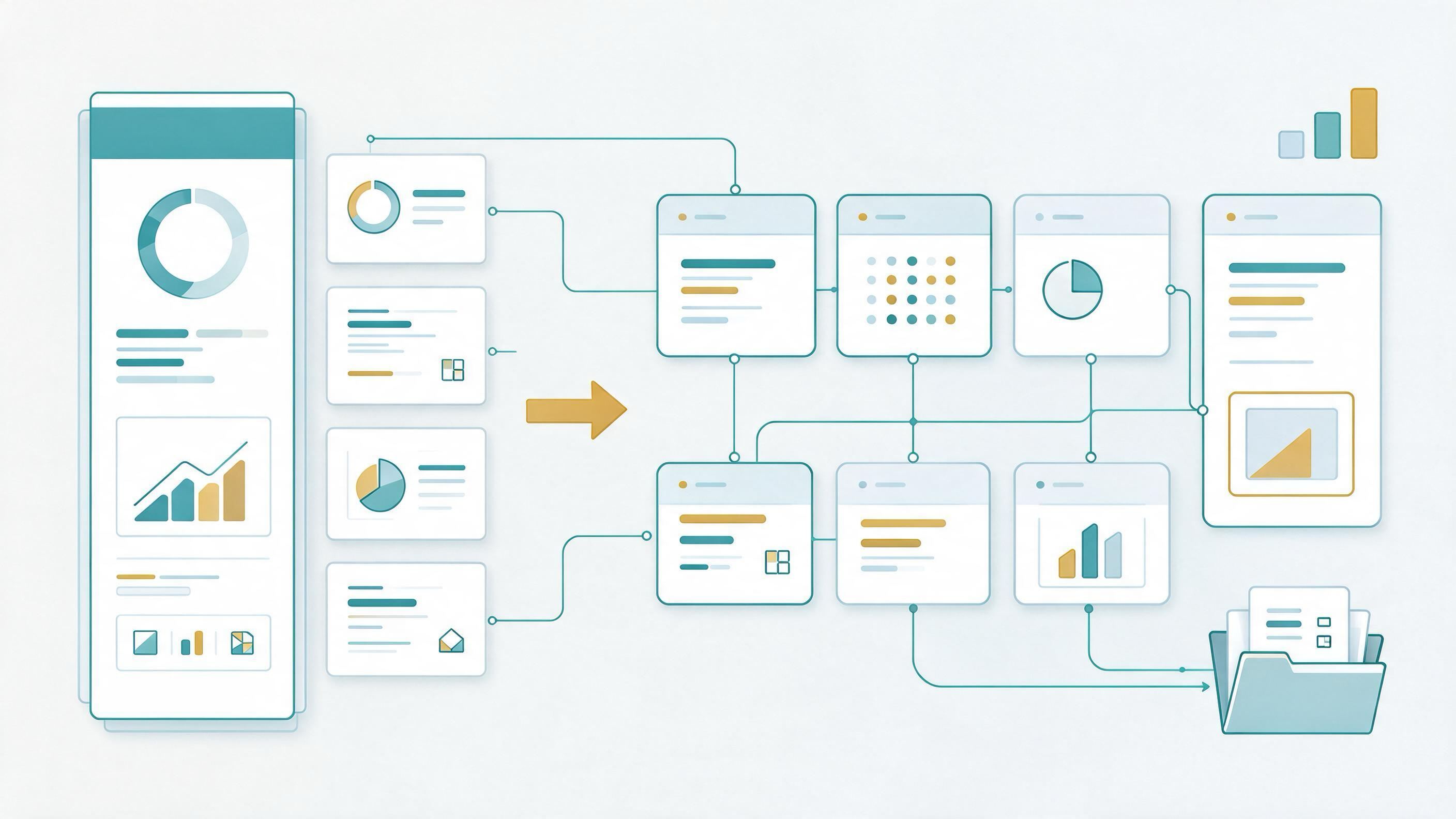
How to Turn a Finished Research Project into a Reusable Knowledge Base
A finished project usually leaves behind a deck, a memo, and a folder of PDFs. What it rarely leaves behind is a knowledge base — a structured set of records that a different team can pick up, audit, and extend without r

How to Turn Paper Summaries into a Real Synthesis
A stack of paper summaries is not a synthesis. A synthesis is an argument about what a body of work collectively shows, where it disagrees, and what remains unresolved — and it is built from decisions you make about scop

How to Turn Supervisor Comments into a Revision Plan
Supervisor comments are not a to-do list yet. They are raw feedback: a mix of questions, objections, suggestions, and quick margin notes, often written in a hurry and sometimes pointing at problems the supervisor has not

How to Update a Clinical Evidence Brief with New Studies
An evidence brief ages the moment it is finalized. New trials appear, systematic reviews are refreshed, and the search that produced the original document becomes stale. Updating a brief is not a matter of pasting in the

How to Verify Every Claim in a Presentation Before It Reaches a Client
A client deck fails in a specific way: not because one slide is wrong, but because nobody can tell which slides were checked. The fix is a verification pass that treats every factual statement as a claim with an owner, a