
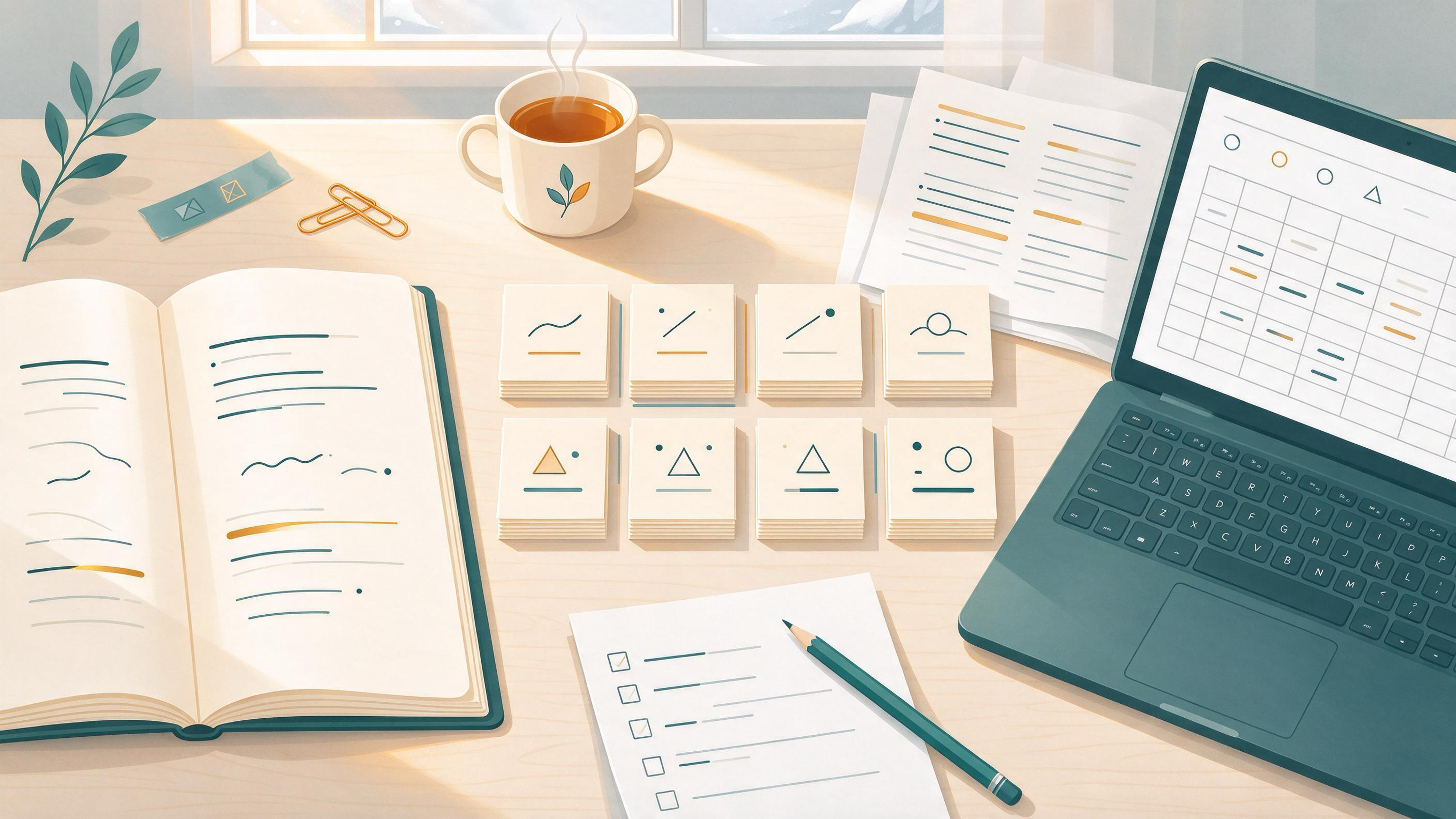
How to Write a Literature Review from Research Notes
You already have the notes. The PDFs are downloaded, the quotes are highlighted, and somewhere in a folder there is a document of bullet points you made at 1 a.m. The problem is that notes are not a literature review. A
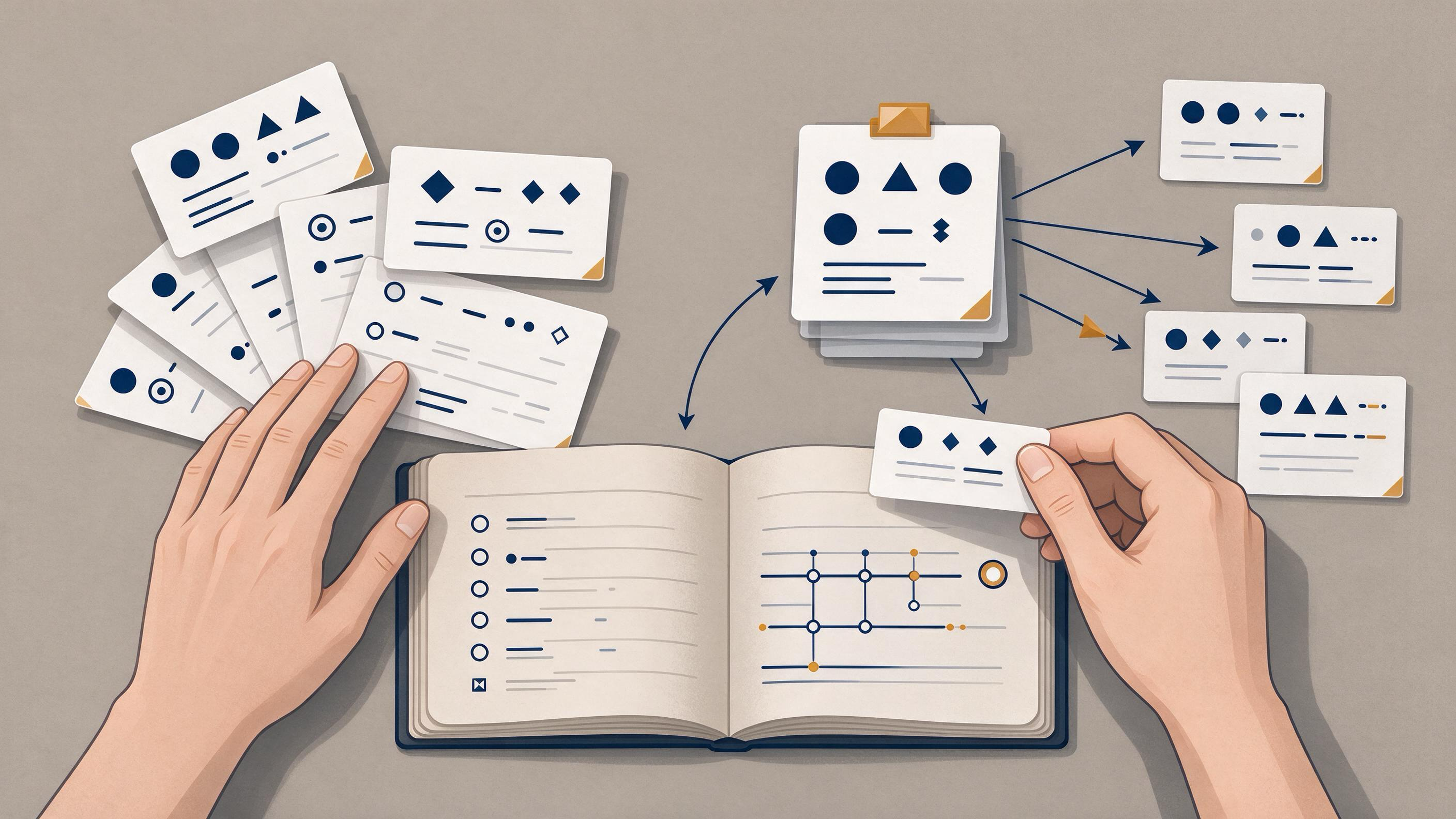
Keyword Alerts vs. Citation Alerts for Tracking a Topic
If you are deciding between keyword alerts and citation alerts, the short answer is that they answer different questions. A keyword alert asks, "What new work mentions my topic?" A citation alert asks, "What new work cit
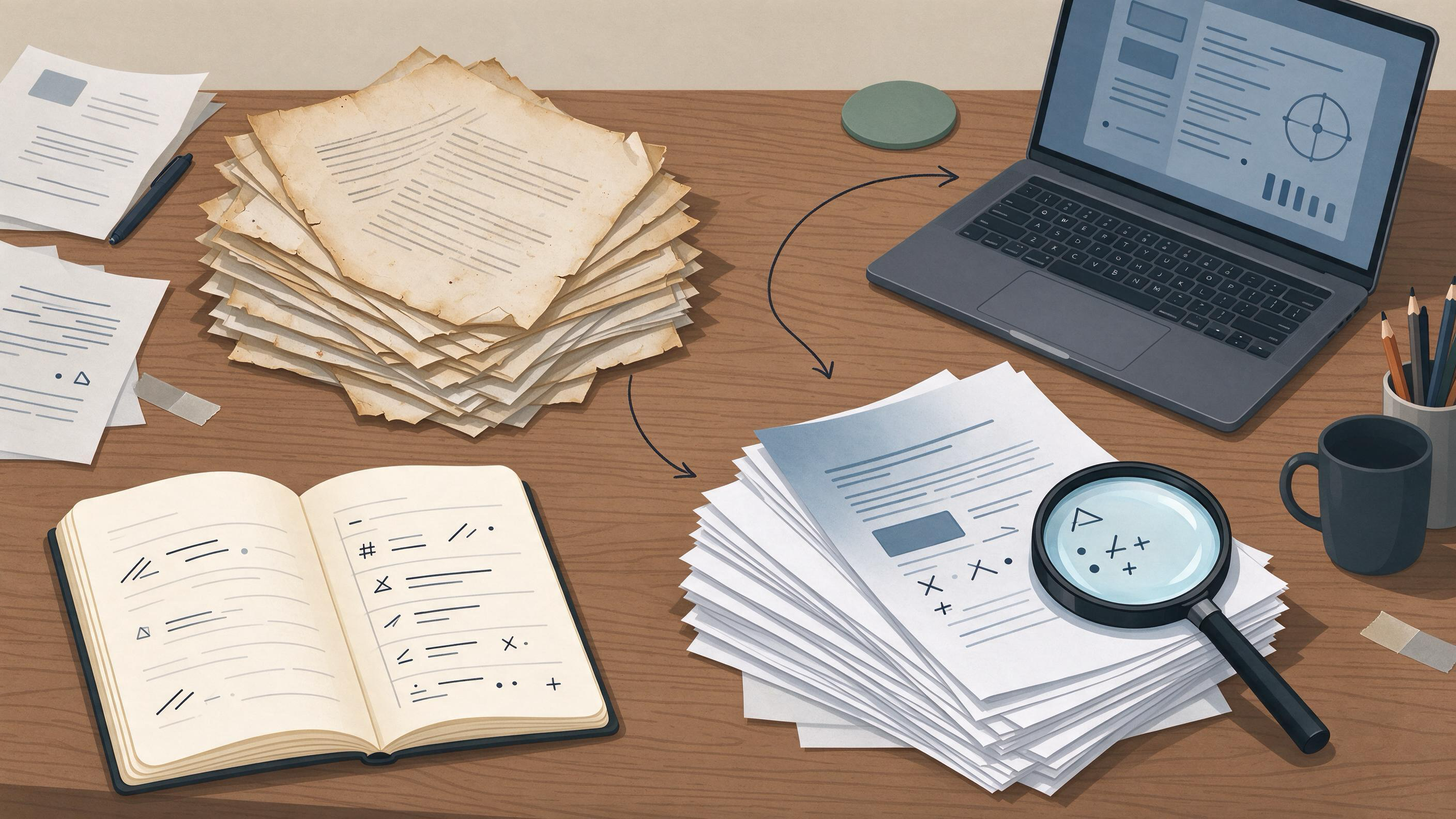
Landmark Papers vs. Recent Papers: Which Should You Read First?
Read the landmark paper first when you need the field's founding question, its core method, or the vocabulary that later work assumes. Read recent papers first when you need the current state of a fast-moving subfield, t
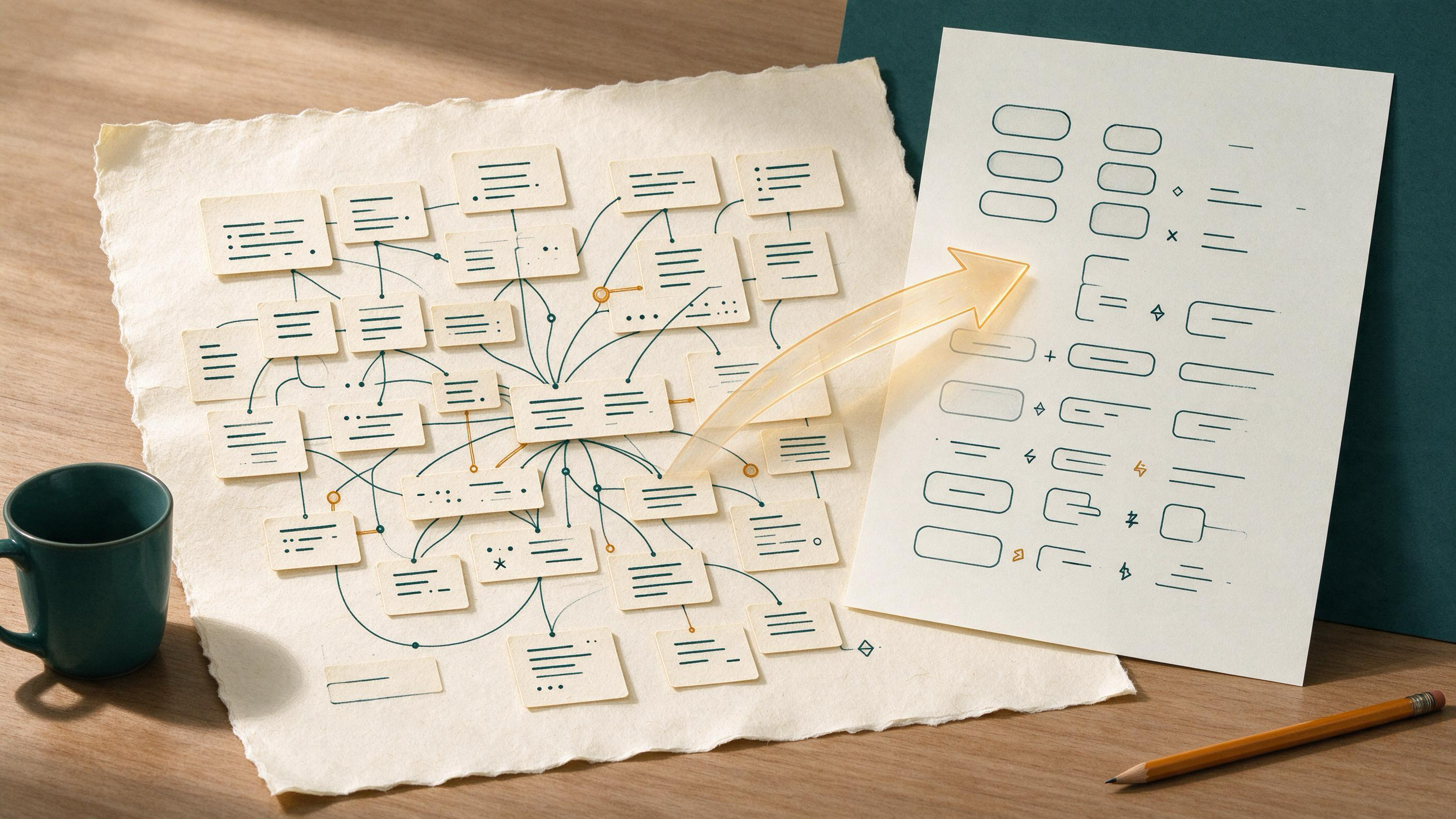
Literature Map vs. Traditional Outline: Which Should You Build First?
Build the literature map first when your problem is coverage and relationships: you need to know which studies exist, how reports connect to the same study, and where the evidence is thin. Build the traditional outline f
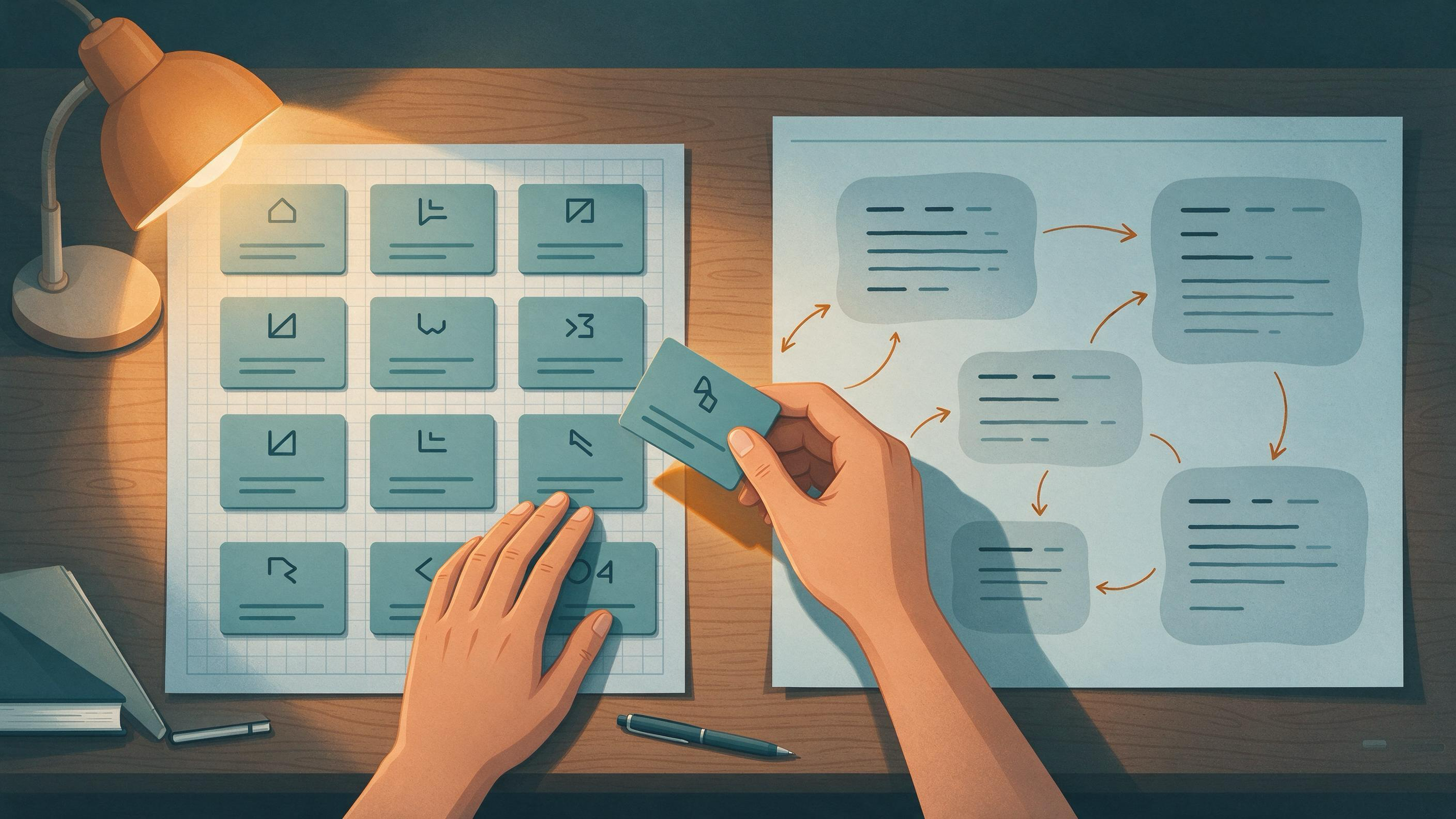
Literature Review Table vs. Narrative Research Memo: Choosing the Right Artifact for Your Next Project
You have a folder of PDFs, a stack of notes, and a deadline. The question is not whether to read the literature — you have already started — but how to turn what you have read into something you can actually use. Two art

Live Web Links vs. Saved Source Snapshots for Evidence Work
When you are assembling an evidence brief for a clinical team or a research update, the question is rarely "should I use the live web or save a copy?" It is more specific: for this claim, in this brief, which record will
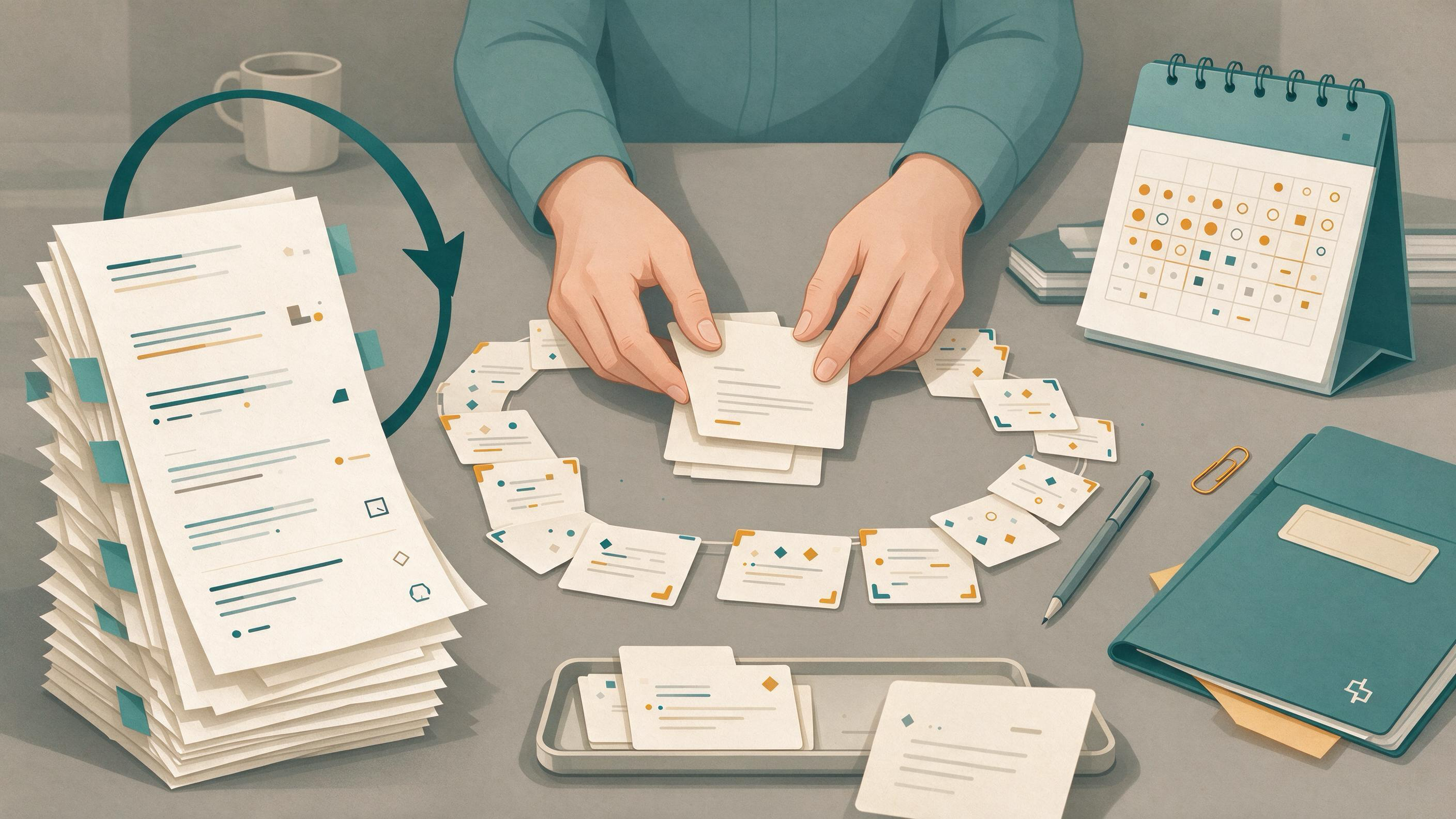
Living Evidence Review vs. Scheduled Review Update
A review is never really finished. Between the day you lock a search strategy and the day your manuscript goes to production, new trials appear, corrections land, and a coauthor asks whether the evidence still holds. The
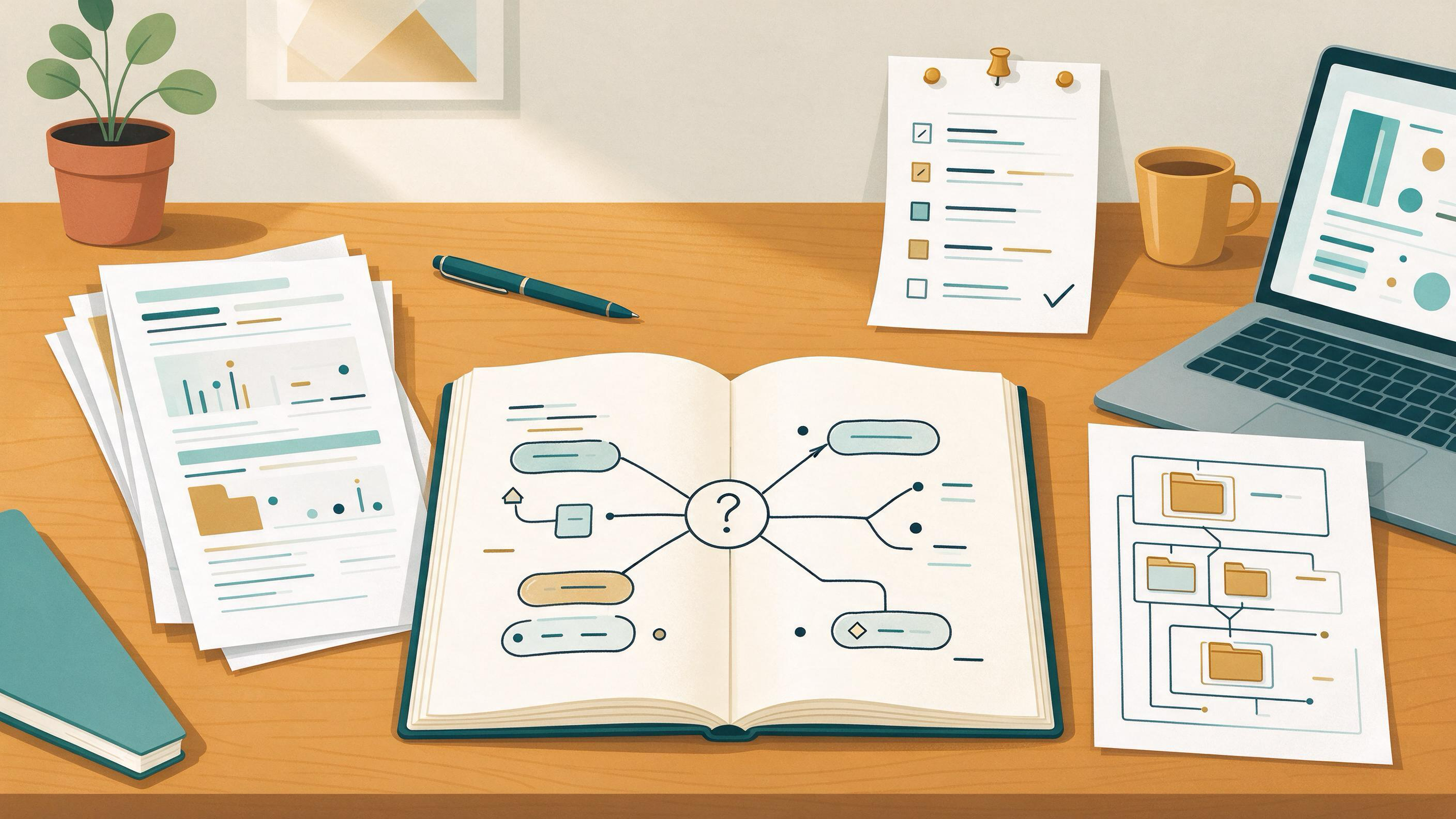
New Research Project Setup: From Topic to First Reading Plan
A new research project rarely fails at the writing stage. It fails earlier, when the topic is still a phrase, the reading list is a pile of PDFs, and no one can say which papers were screened, why they were kept, or what

Notes by Paper vs. Notes by Claim: Which Scales Better?
Notes by claim scale better for writing, while notes by paper scale better for building a reading record. If you are finishing a course paper, thesis chapter, or first manuscript and already have a pile of PDFs, the prac
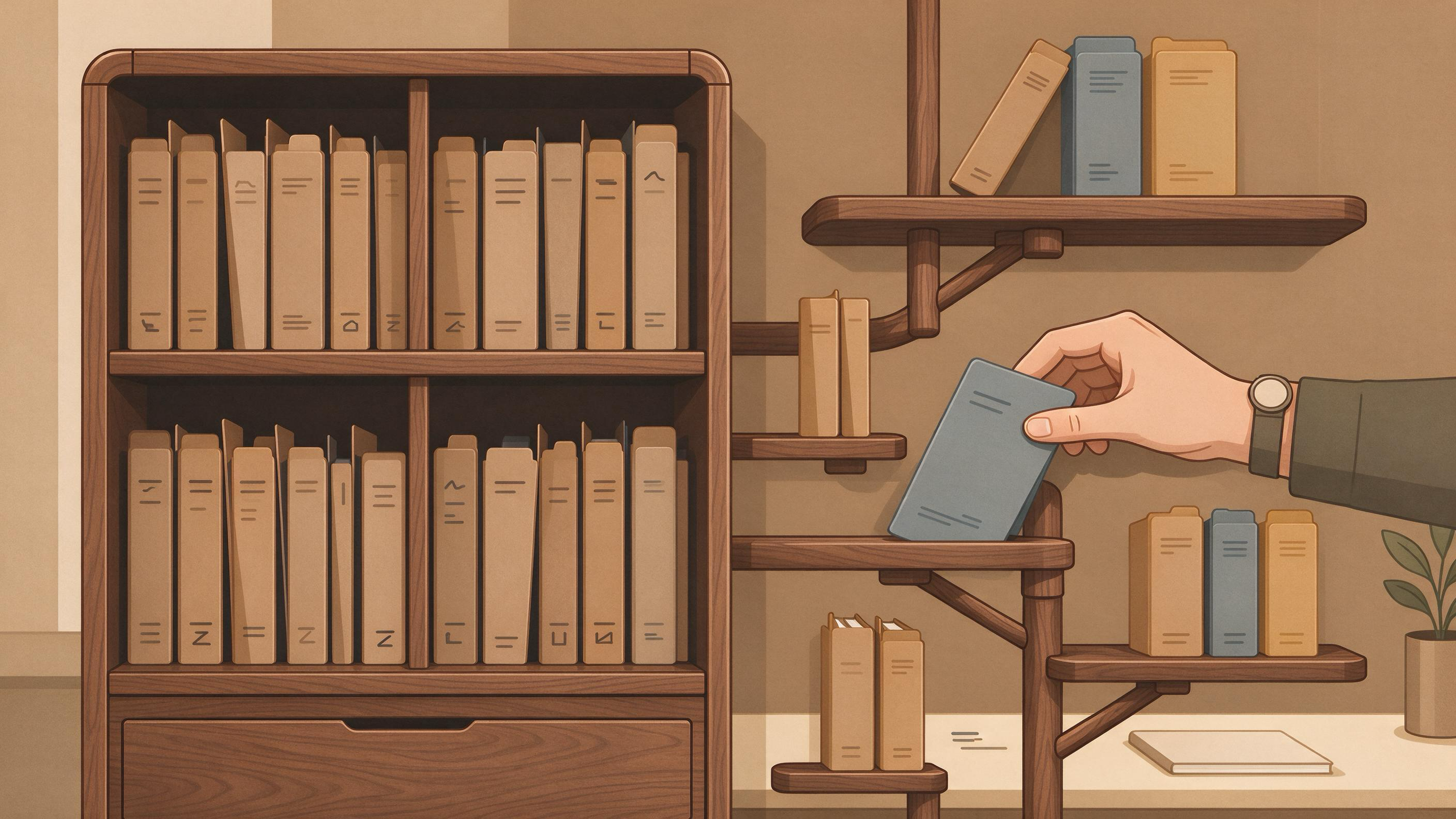
One Master Library vs. Separate Libraries for Every Project
You are finishing a paper, a thesis chapter, or a first manuscript, and the next project is already visible on the horizon. The question is not abstract: should every paper you have ever found live in one master library,