

DOI Resolver vs. Publisher Page vs. Database Record: What Should You Trust?
When a citation looks slightly wrong, the instinct is to find the one authoritative page and copy from it. That instinct is understandable but incomplete. A DOI resolver, a publisher page, and a database record each answ
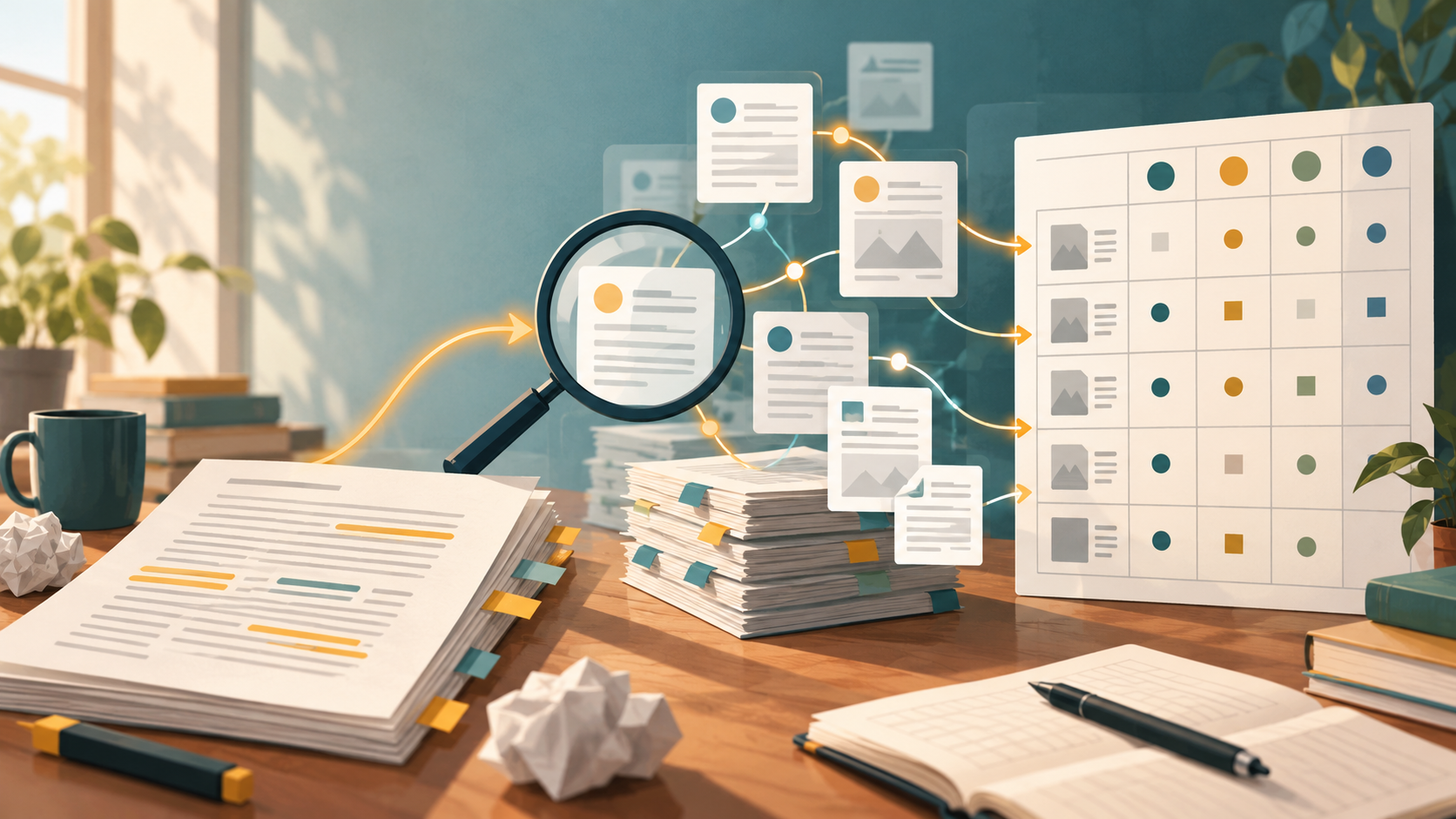
Evidence Gap Detection: A Practical Guide from Draft Audit to Search
You have a draft, a deadline, and a nagging worry that the gap you claim is not really a gap. Evidence gap detection is the work of checking that worry against your own claims, your search record, and the primary sources

Evidence Matrix vs. Annotated Bibliography: Which Helps You Write Faster?
If you are writing under a deadline, the faster format is the one that matches the next sentence you have to write. An annotated bibliography is a source-by-source record: each entry describes one study and its contribut

Google Scholar Alerts vs. PubMed Saved Searches for Staying Current
Staying current on a clinical or biomedical question is a recurring maintenance task, not a one-time search. Two familiar options sit at opposite ends of the control spectrum: Google Scholar alerts, which watch a broad s

Google Scholar vs. PubMed: Which Search Should You Run First?
For most focused biomedical evidence questions, run PubMed first. Its controlled vocabulary, field tags, filters, and transparent search translation give you a reproducible, auditable strategy that Google Scholar cannot
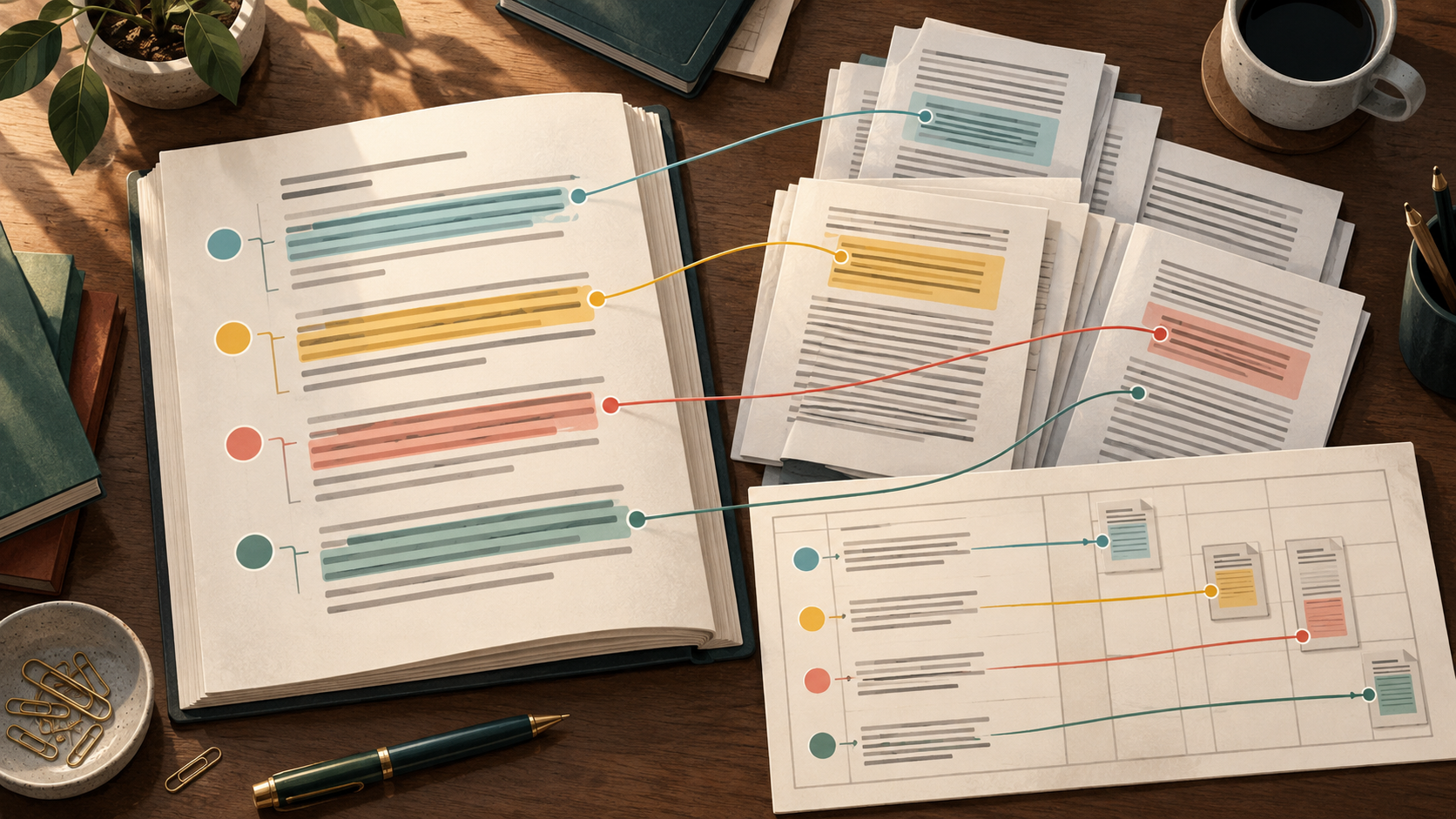
How to Audit Every Claim in a Draft Against Its Sources
A claim audit is a sentence-by-sentence pass through a draft in which you record what each sentence asserts, classify it as factual or interpretive, attach the exact source passage that supports it, and then revise or re
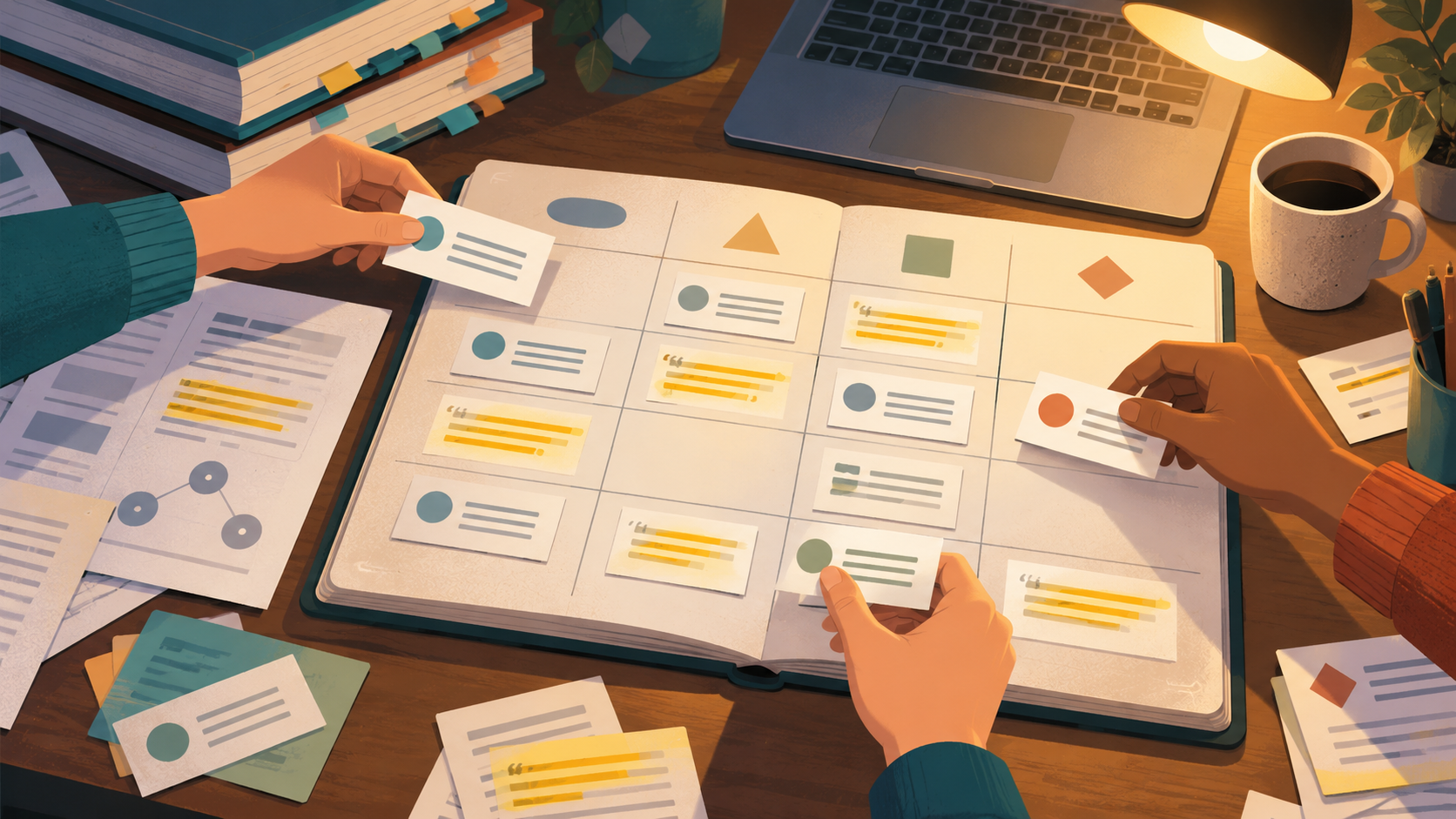
How to Build a Claim-to-Evidence Table Before Submission
A claim-to-evidence table is a working document that lists every major claim in your draft and, for each one, records the source, the exact passage, the type of evidence, your confidence level, and the next action. Build
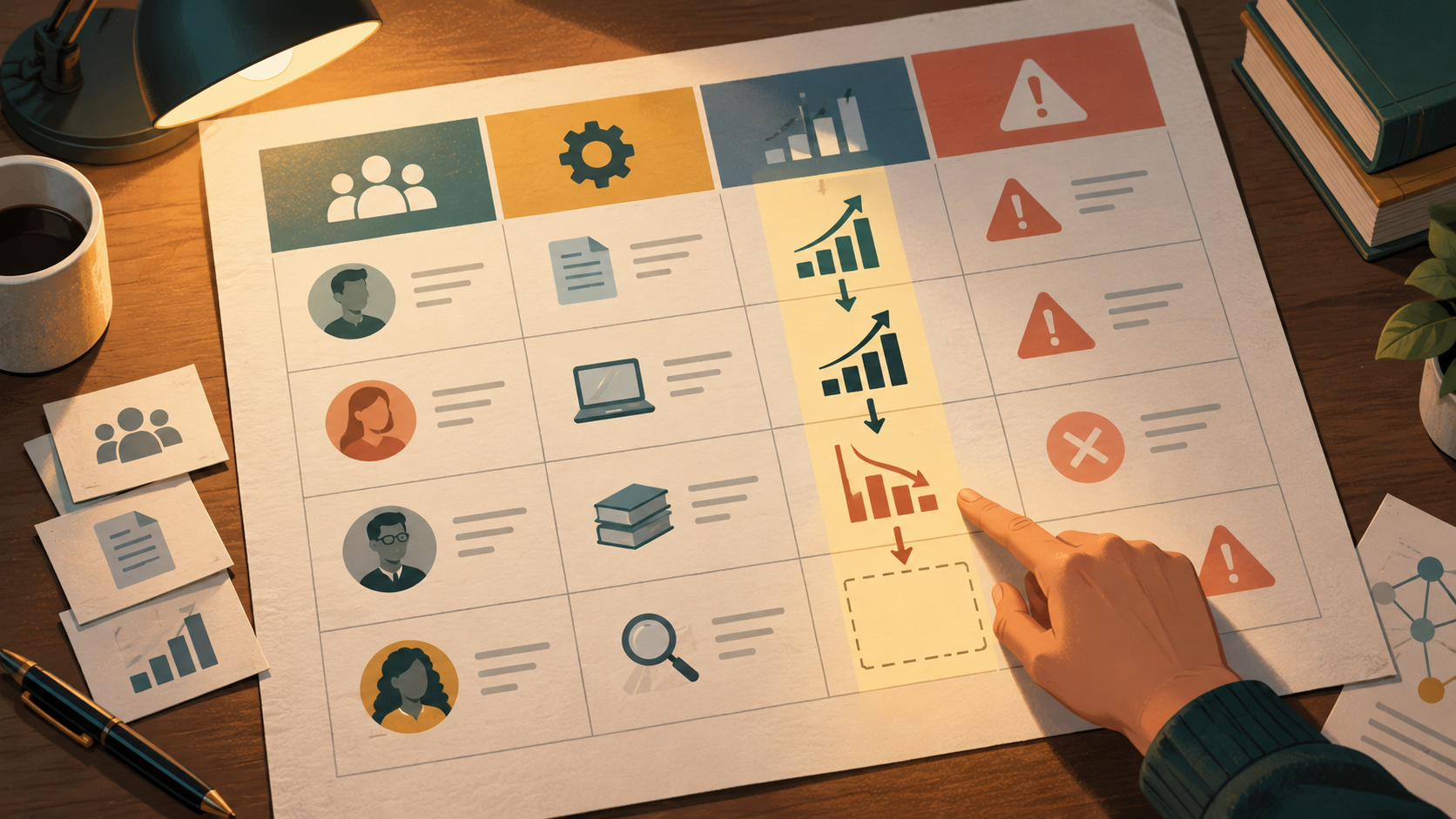
How to Build a Last-Minute Evidence Matrix That Is Actually Useful
A last-minute evidence matrix is a single table that turns a pile of papers into a defensible argument. Each row is one claim-bearing finding; each column records the claim, the population, the method, the result, the li
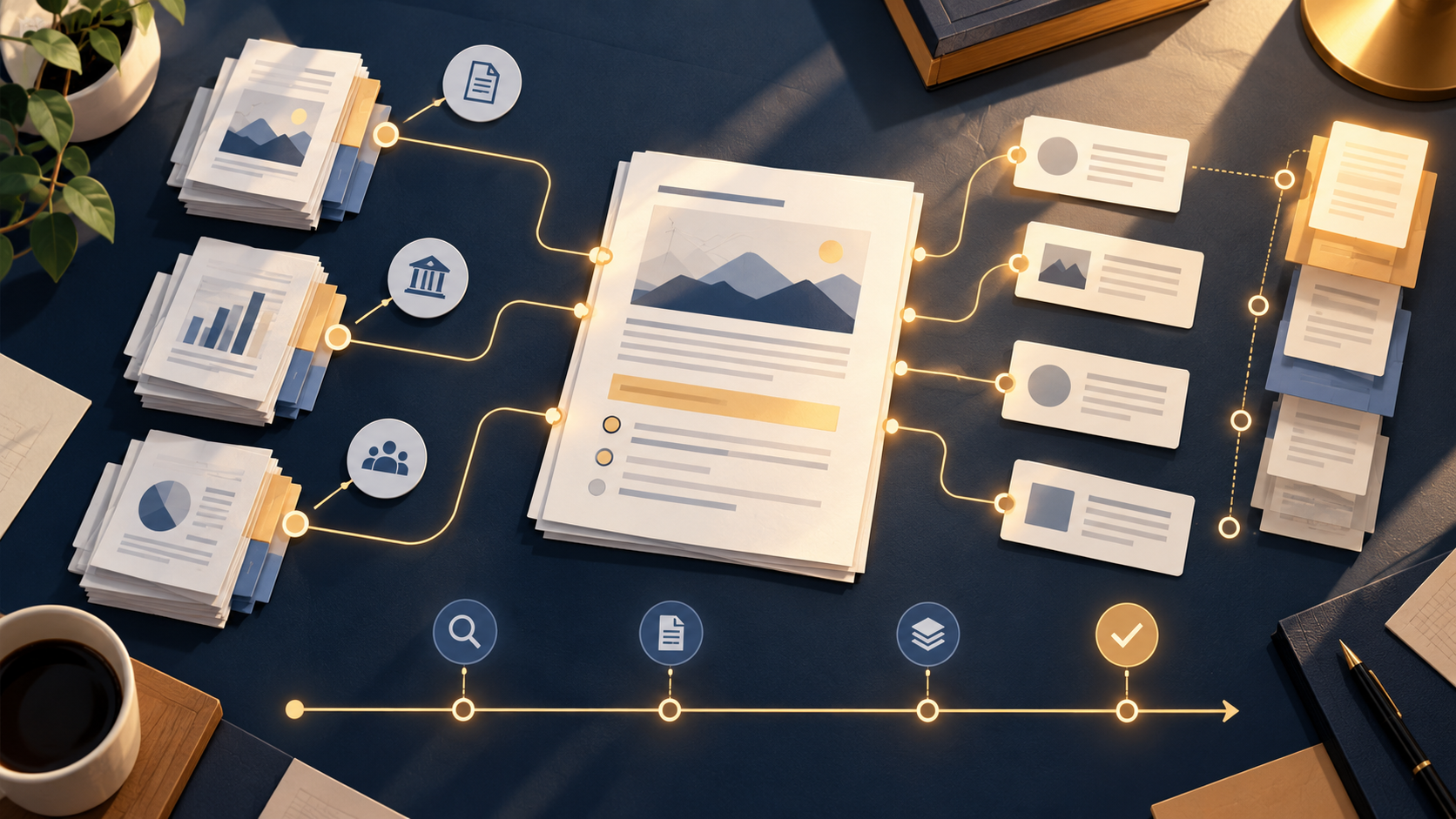
How to Build a Source-Provenance Trail for a Research Report
A source-provenance trail is the record that lets a reader—or a reviewer six months later—move from a sentence in your report back to the exact source, version, and search that produced it. For a time-sensitive decision

How to Build an Evidence Hierarchy for a Focused Clinical Question
A focused clinical question is not answered by finding the highest-ranked study type and stopping there. The practical task is to define the question precisely, retrieve the relevant evidence types, rank them by design a