
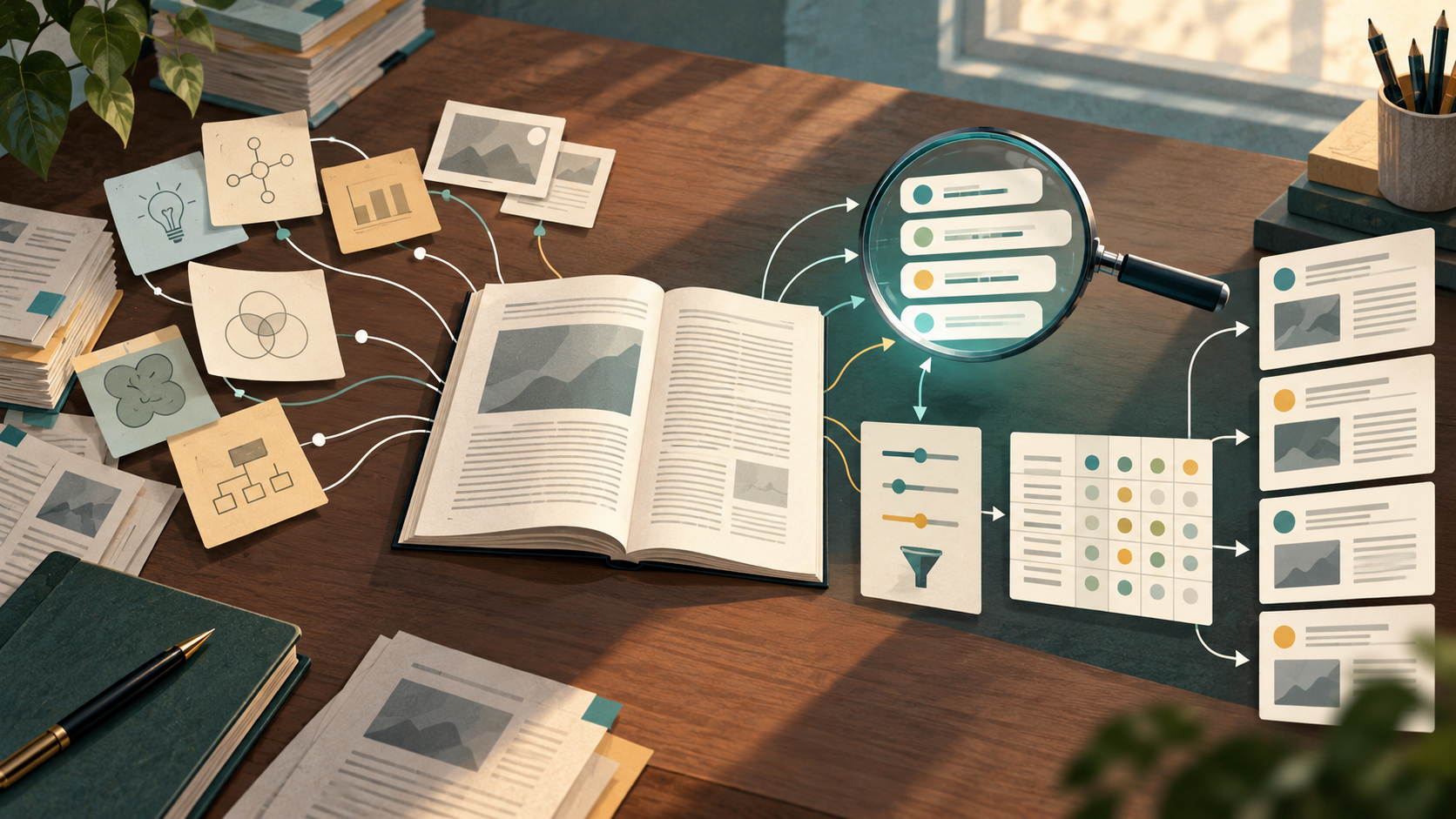
How to Build Better Search Terms from One Strong Seed Paper
A single strong paper is often the most reliable starting point for a reproducible literature search. It already sits inside your eligibility criteria, it carries the vocabulary your field actually uses, and it points to
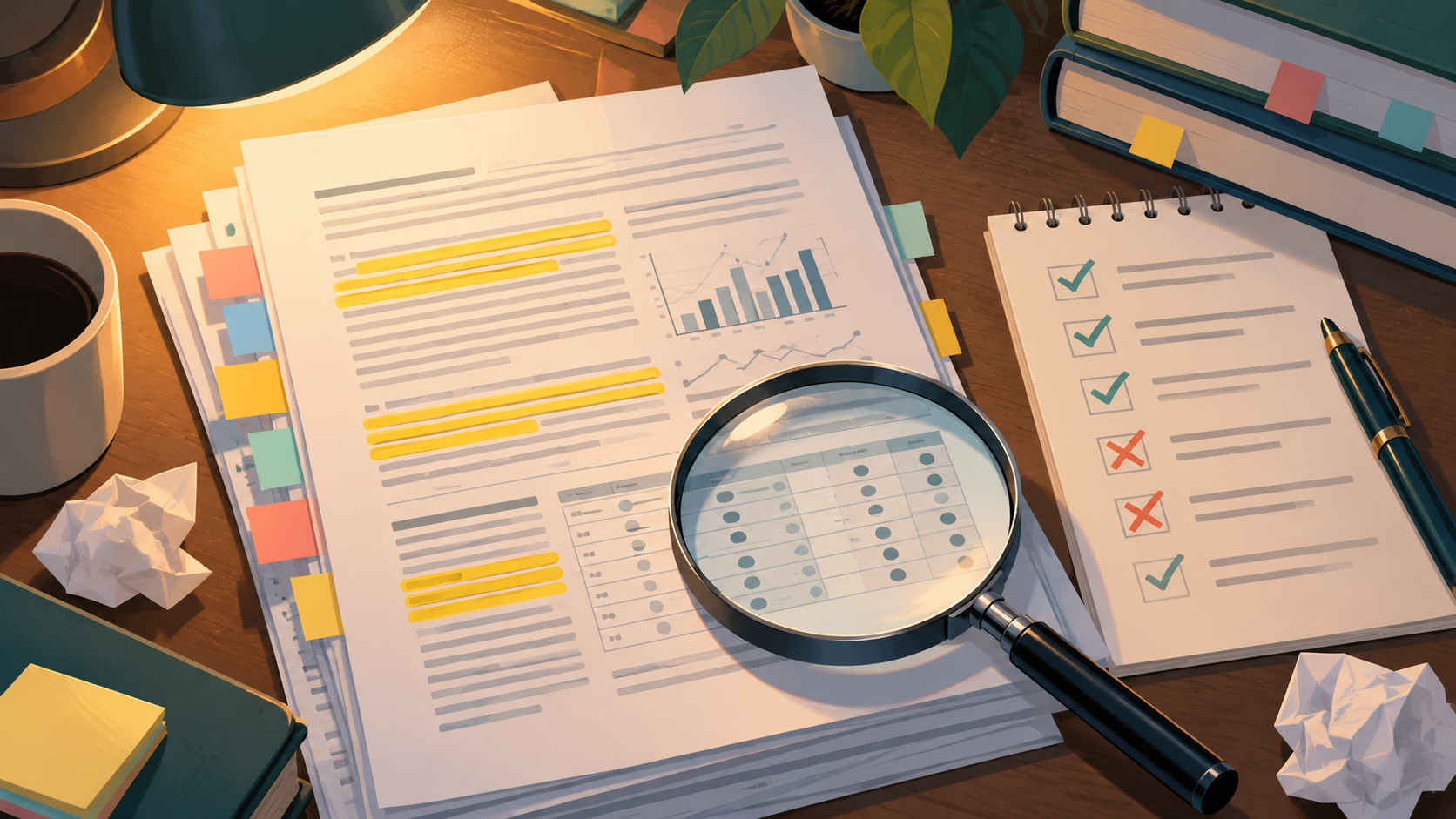
How to Check AI-Generated Research Notes Against the Papers
AI notes are most useful when you treat them as a list of claims to verify, not as finished prose. The fastest reliable method is to sample the highest-risk claims first, trace each one to a specific location in a specif
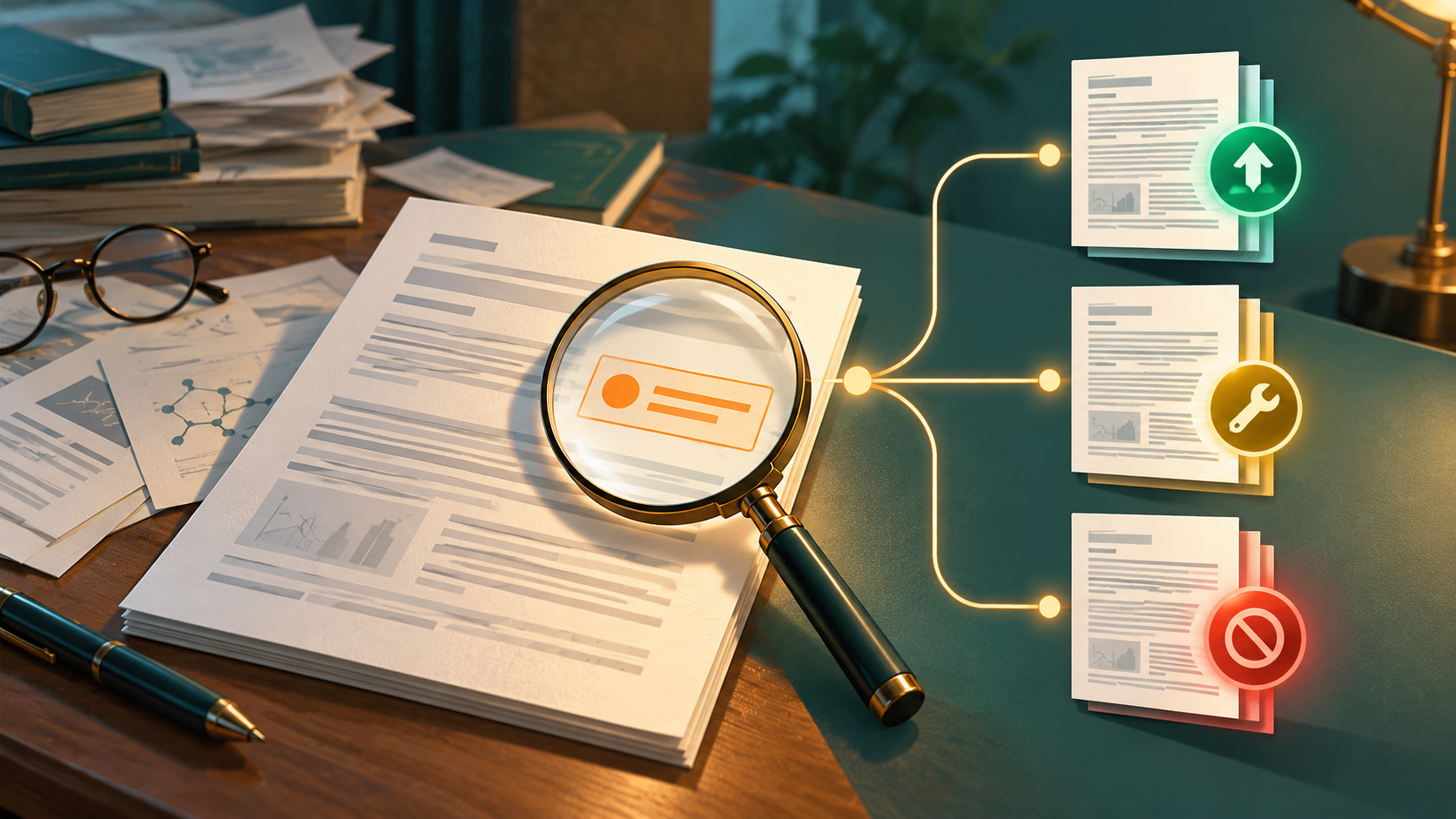
How to Check Whether a Paper Was Corrected, Updated, or Retracted
A correction, an update, and a retraction are three different events, and they change what you can responsibly claim from a paper in three different ways. If you are writing a decision memo, a due-diligence note, or a cl
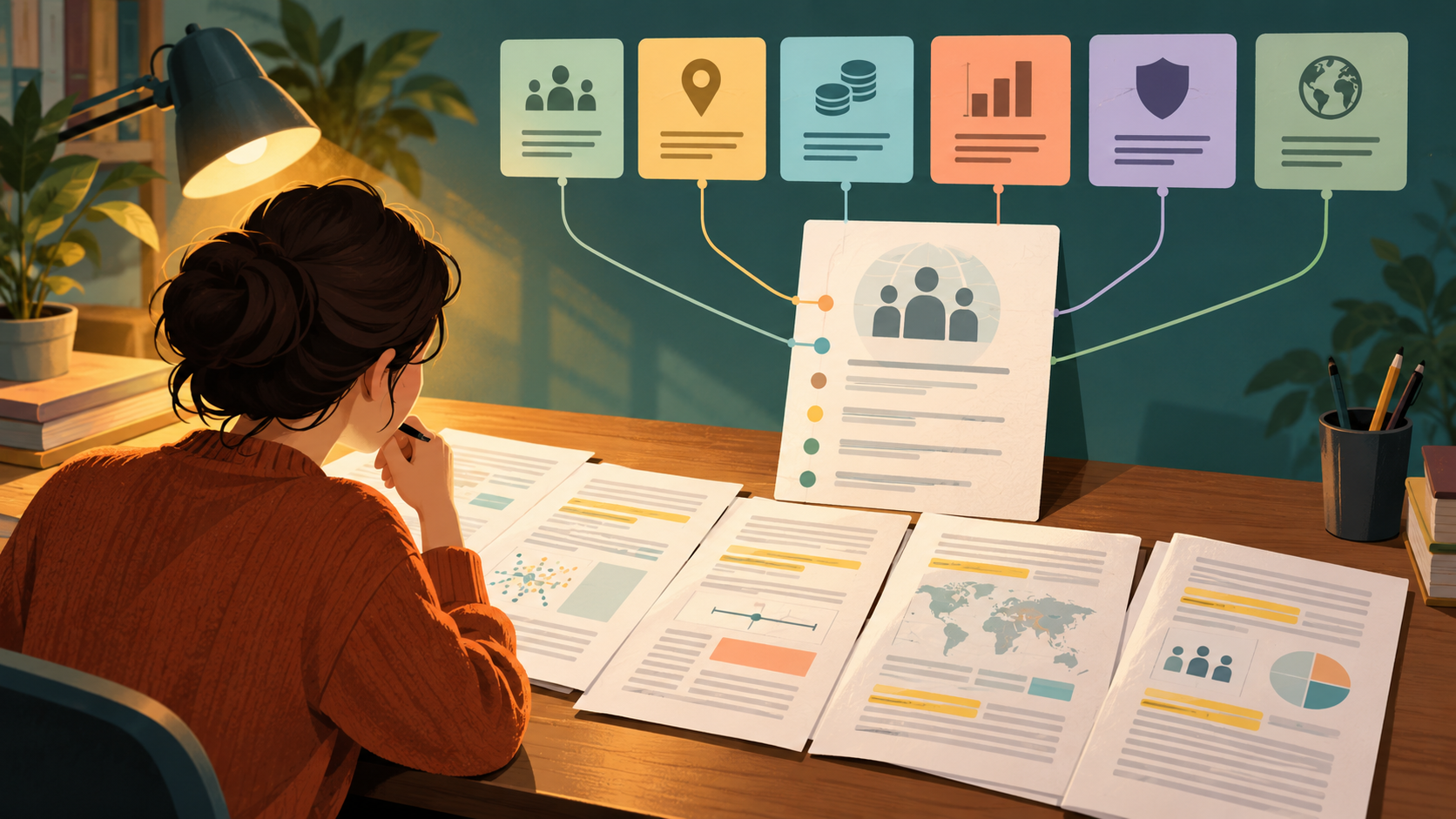
How to Check Whether Study Results Apply to Your Population
You have a promising paper in front of you, a deadline on the calendar, and one nagging question: do these results actually apply to the people, setting, or problem you are writing about? Applicability is a judgment you
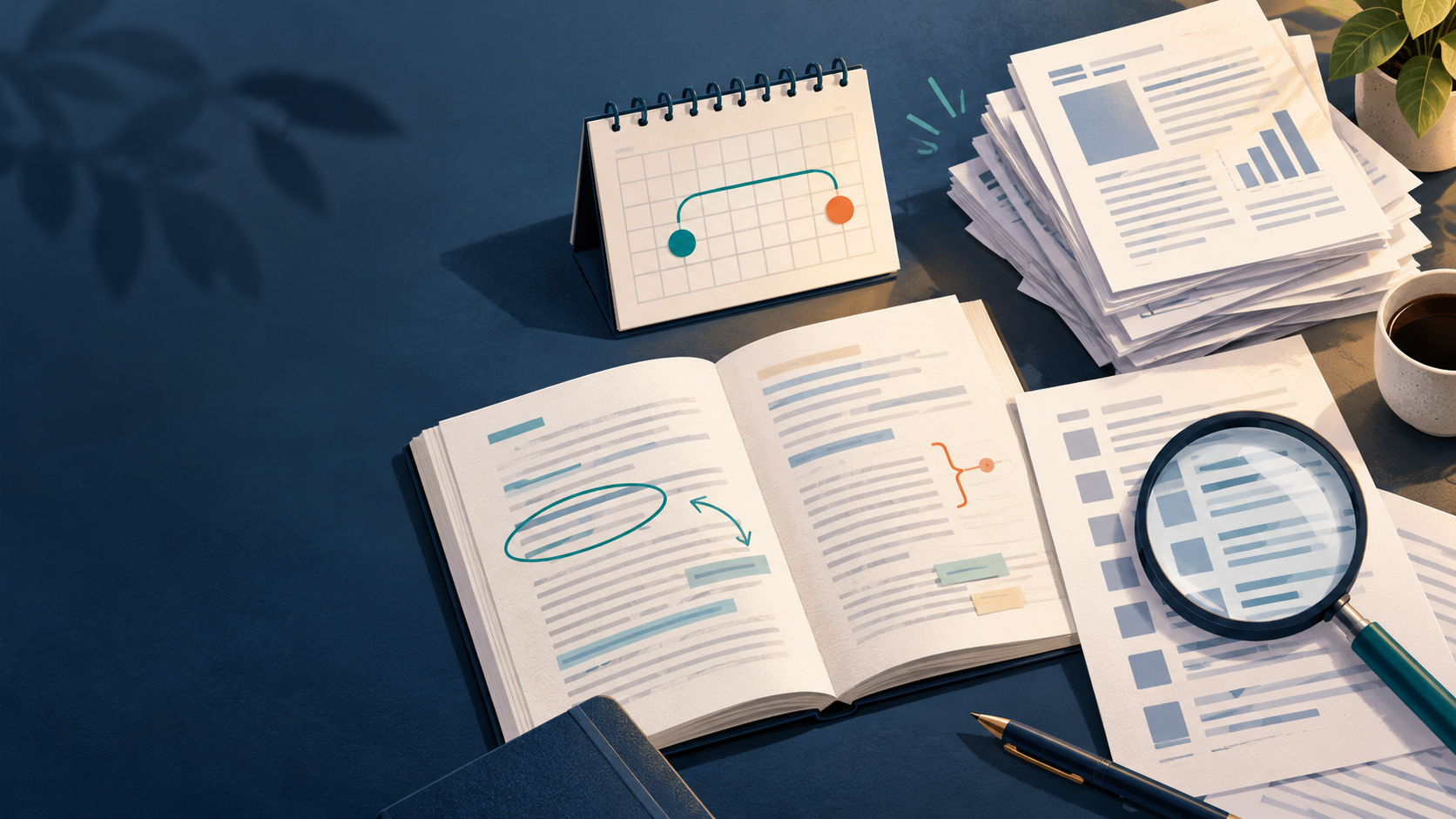
How to Check Whether Your Literature Review Missed Recent Studies
A literature review can be thorough on the day you run it and incomplete on the day you submit. The practical fix is not to redo the whole search from scratch. It is to define a cutoff, rerun date-bounded searches, track
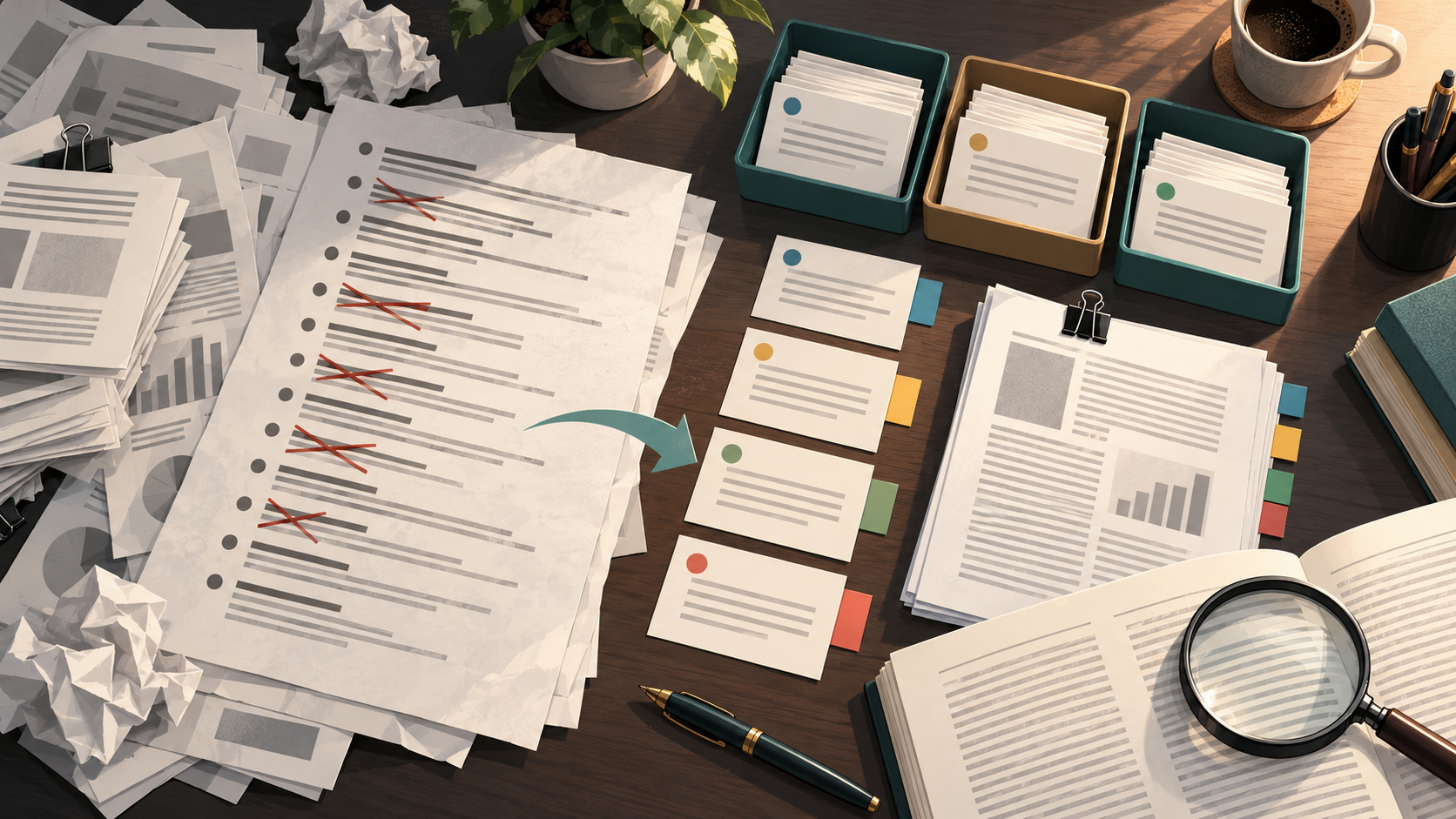
How to Clean a Messy Reference Library Before Final Writing
A reference library that has grown across drafts, projects, and collaborators usually fails in predictable ways: the same paper appears three times, metadata is inconsistent, attachments point nowhere, and you cannot tel
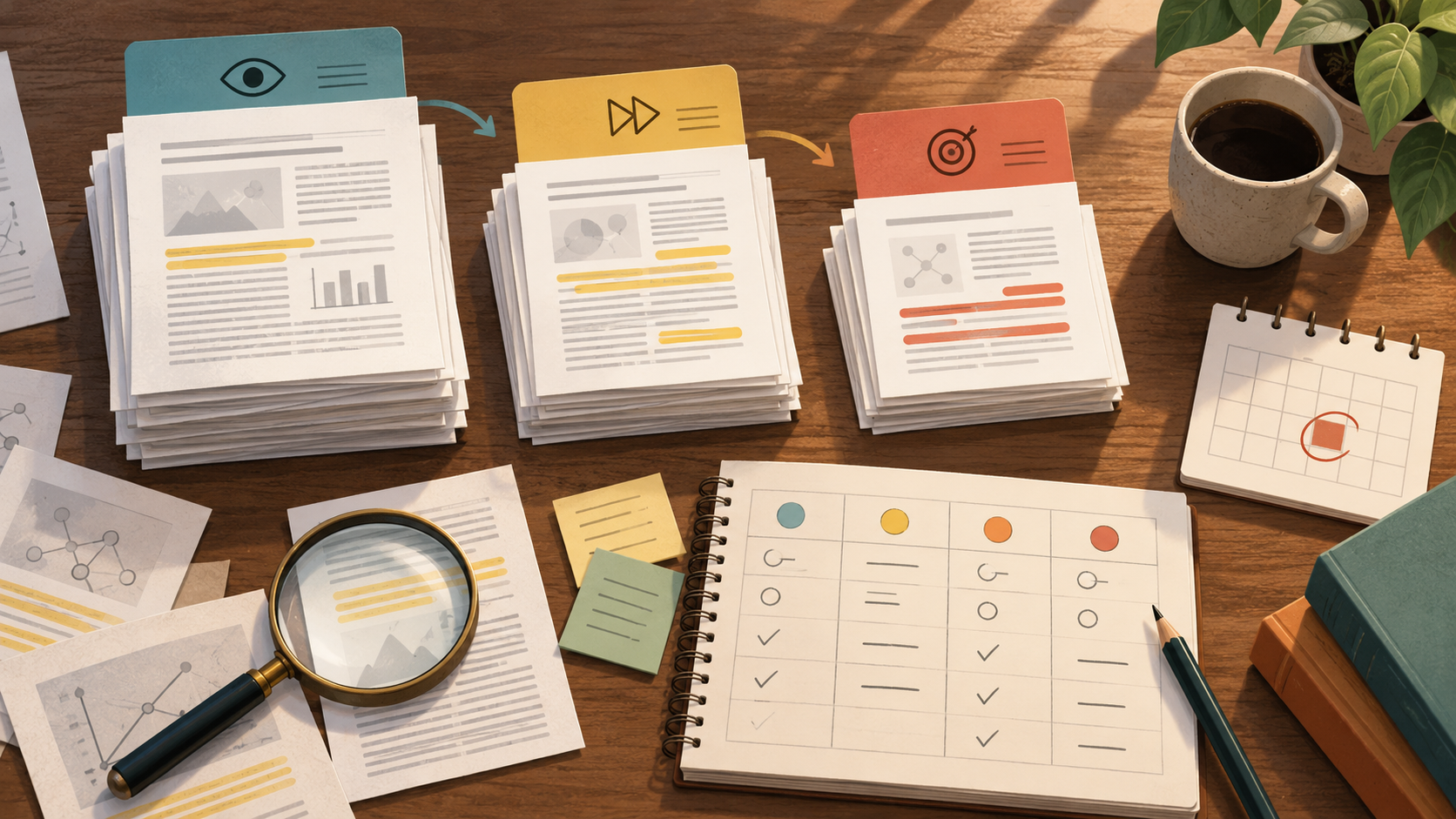
How to Decide Which Papers to Skim and Which to Read Deeply
A literature search rarely fails because too few records exist. It fails because the reading queue has no structure. When every record gets the same attention, the papers that actually carry your argument get buried unde
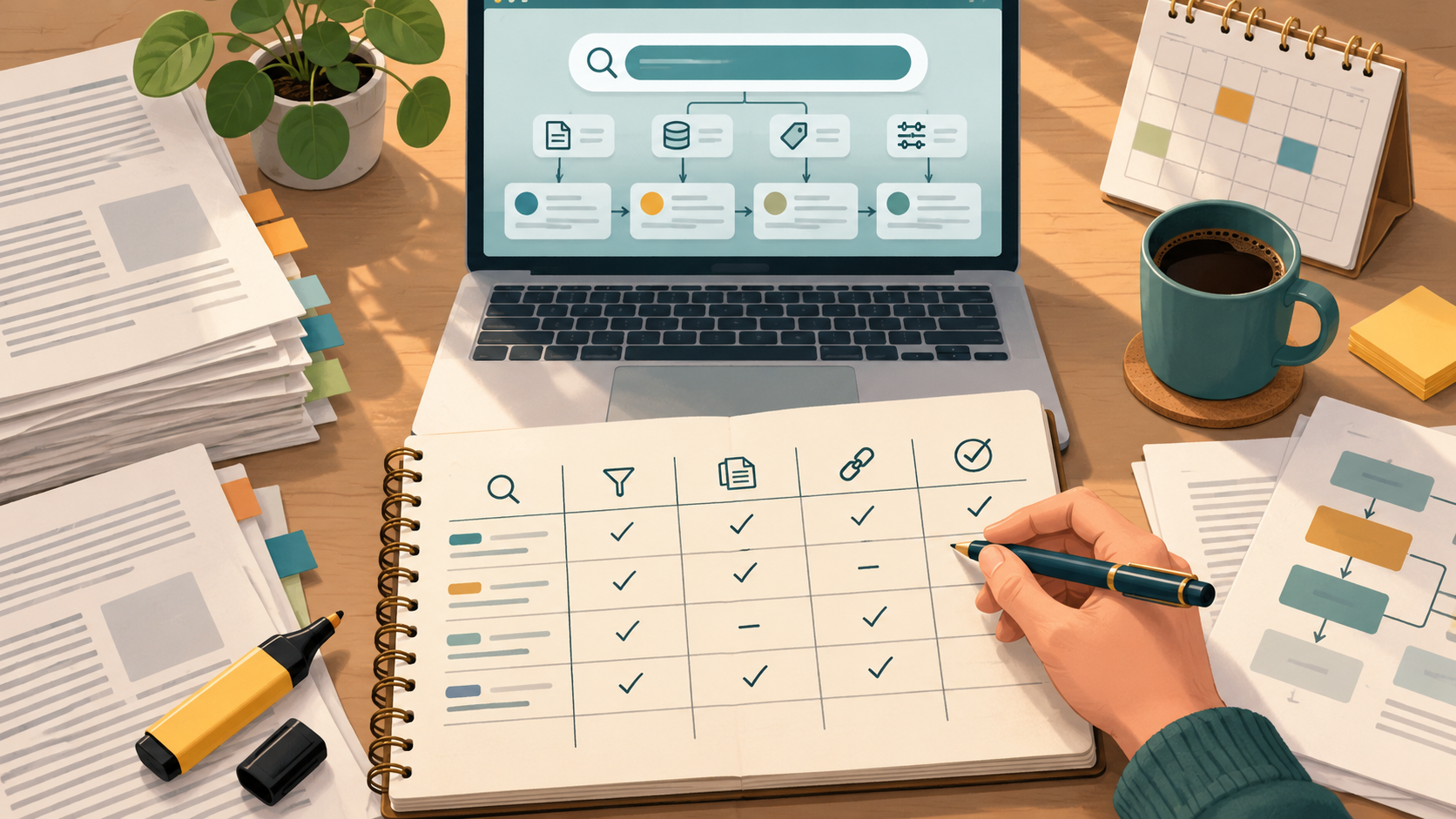
How to Document a Literature Search So Someone Else Can Repeat It
A reproducible literature search is one that a colleague—or a reviewer, or you six months from now—can rerun and land on the same record set. The way to get there is a compact reproducibility log: a single file that reco
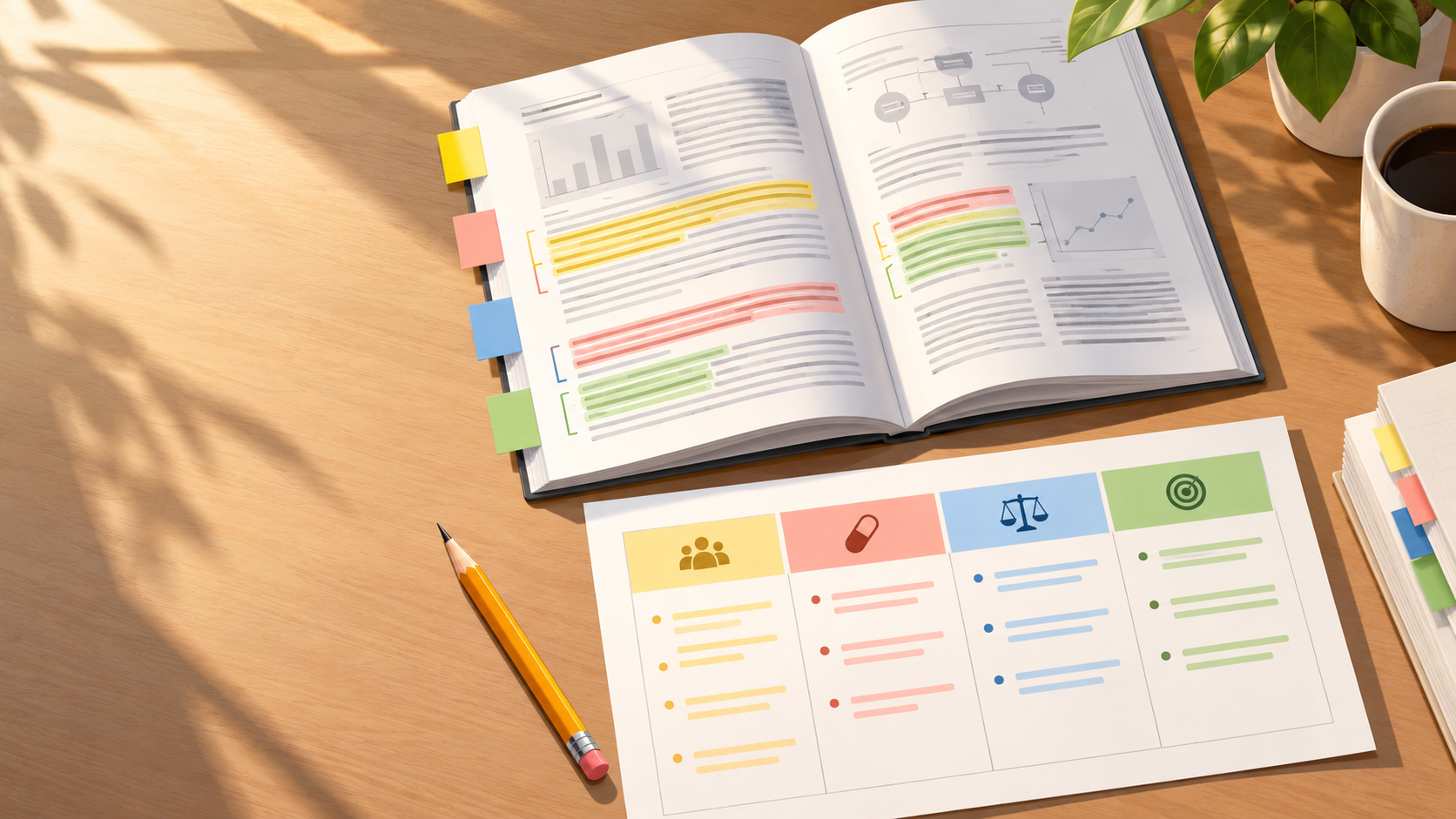
How to Extract Population, Intervention, Comparison, and Outcomes Reliably
When you are coding a stack of papers against a PICO framework under a deadline, the hard part is rarely remembering what the four letters stand for. It is deciding, for each study, which sentence actually defines the po
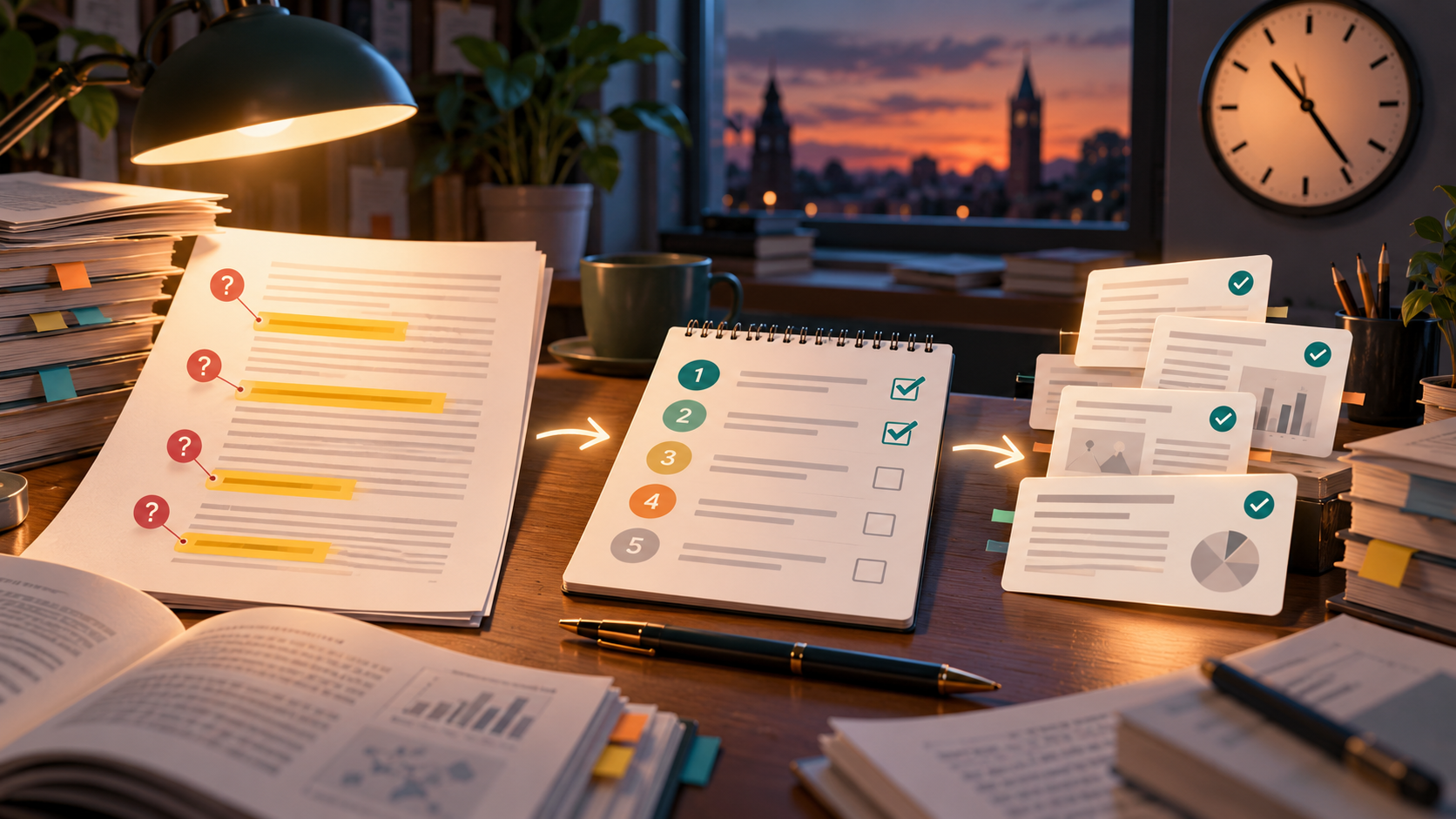
How to Fill Evidence Gaps Before a Research Deadline
A deadline does not change what your sources actually say. What it changes is how you spend the remaining hours. The practical move is to stop writing forward for a moment, list every claim that still lacks a source, ran