
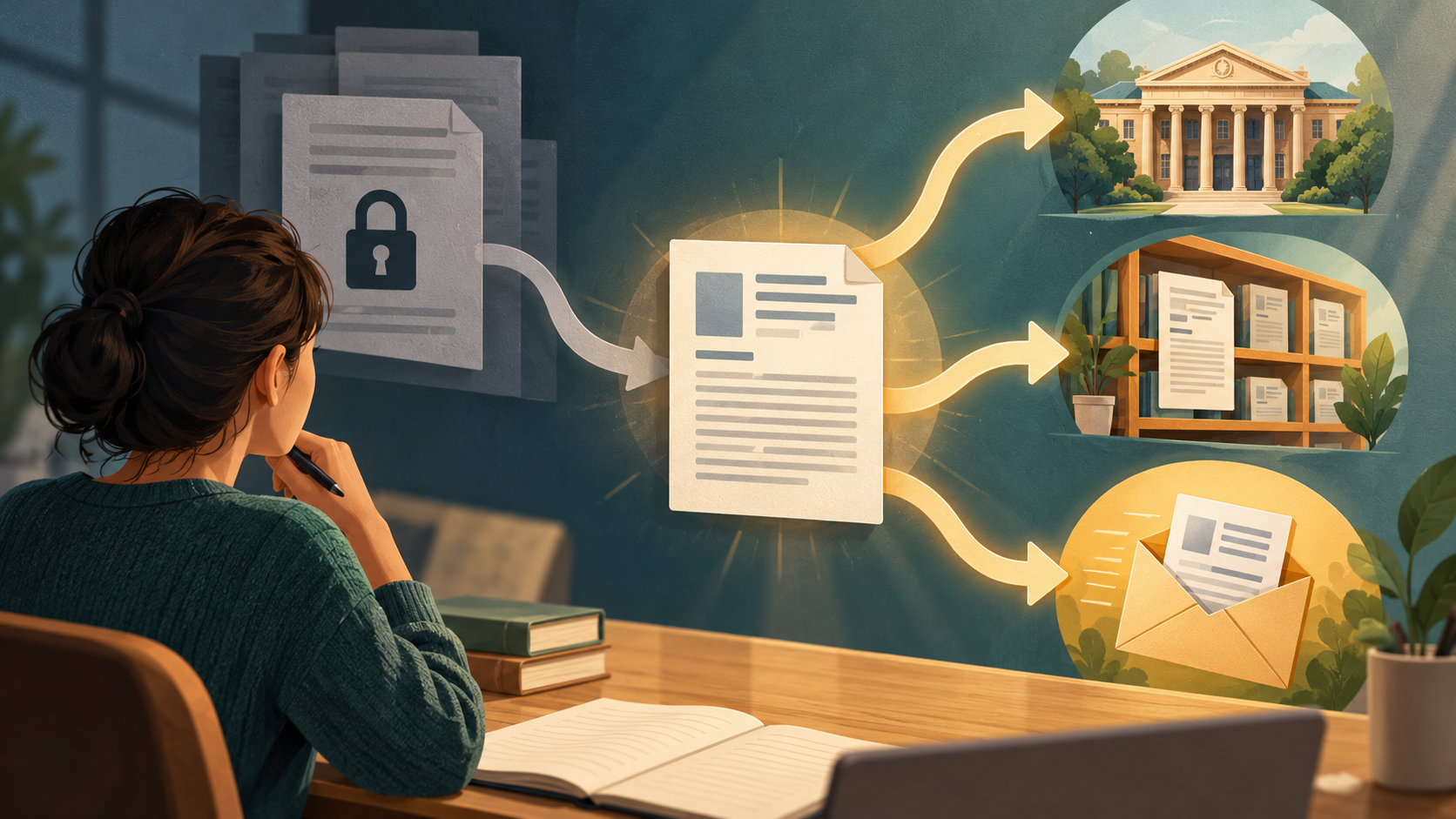
How to Find Legal Full Text When a Paper Is Paywalled
A paywall is a routing problem, not a dead end. When a report is due and the key study sits behind a subscription, the fastest safe path is a fixed sequence: confirm the canonical record, check institutional access, look
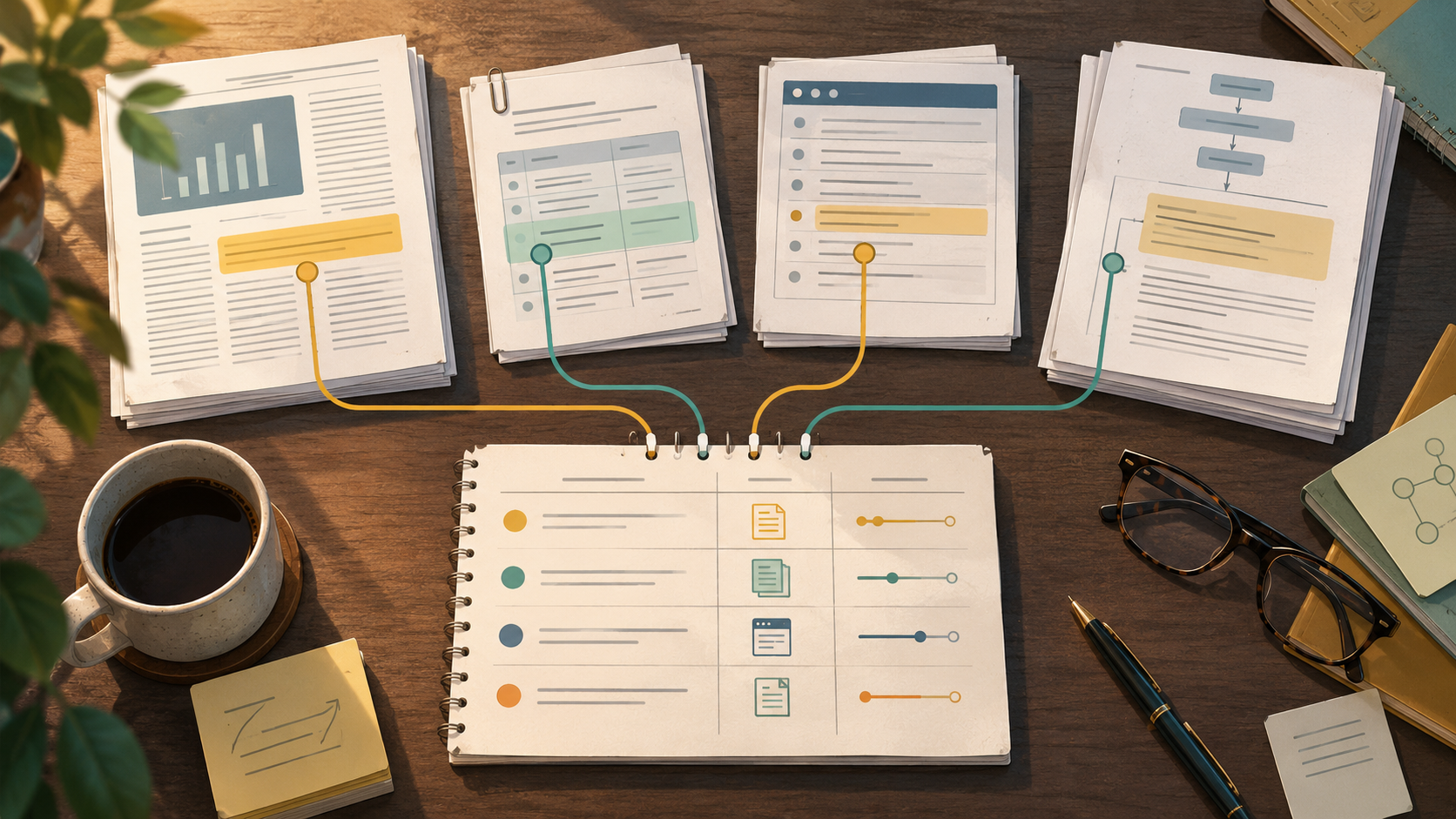
How to Find Methods Details Hidden in Supplements and Registries
A trial's main paper rarely tells the whole methods story. Planned outcomes, analysis plans, and protocol deviations usually sit in supplements, registration records, and linked reports. For a time-sensitive decision mem
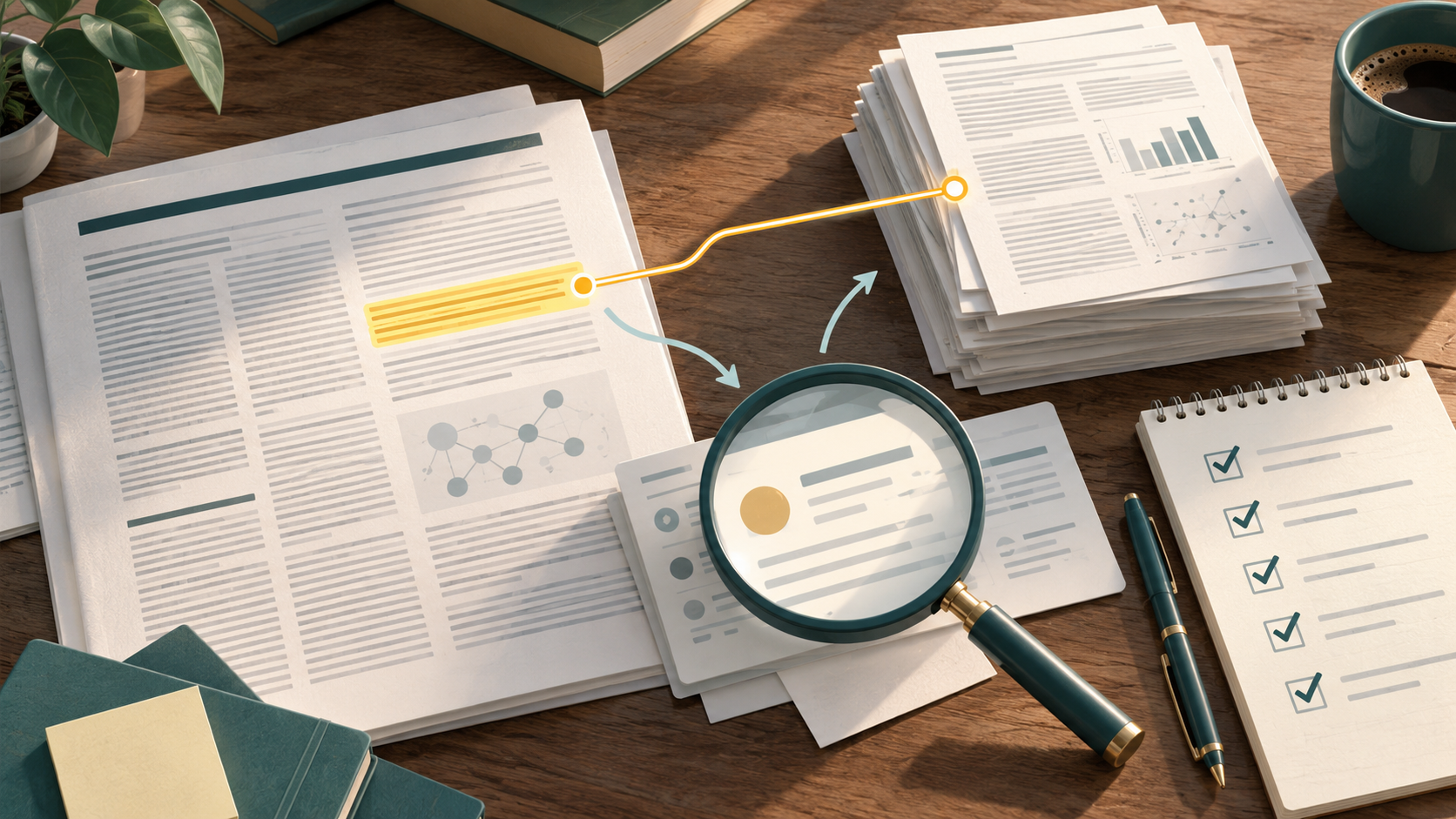
How to Find the Original Study Behind a Claim in a Review Article
A review article compresses dozens of primary studies into a few sentences. When you need to cite, replicate, or challenge one of those sentences, the review is a signpost, not the destination. The task is to trace the r

How to Find the Primary Studies Missing from a Literature Review
A review's reference list is a map of what its authors found, not a census of what exists. When you are answering a focused evidence question—for a guideline, a grant, or a scholarly manuscript—the fastest route to the m
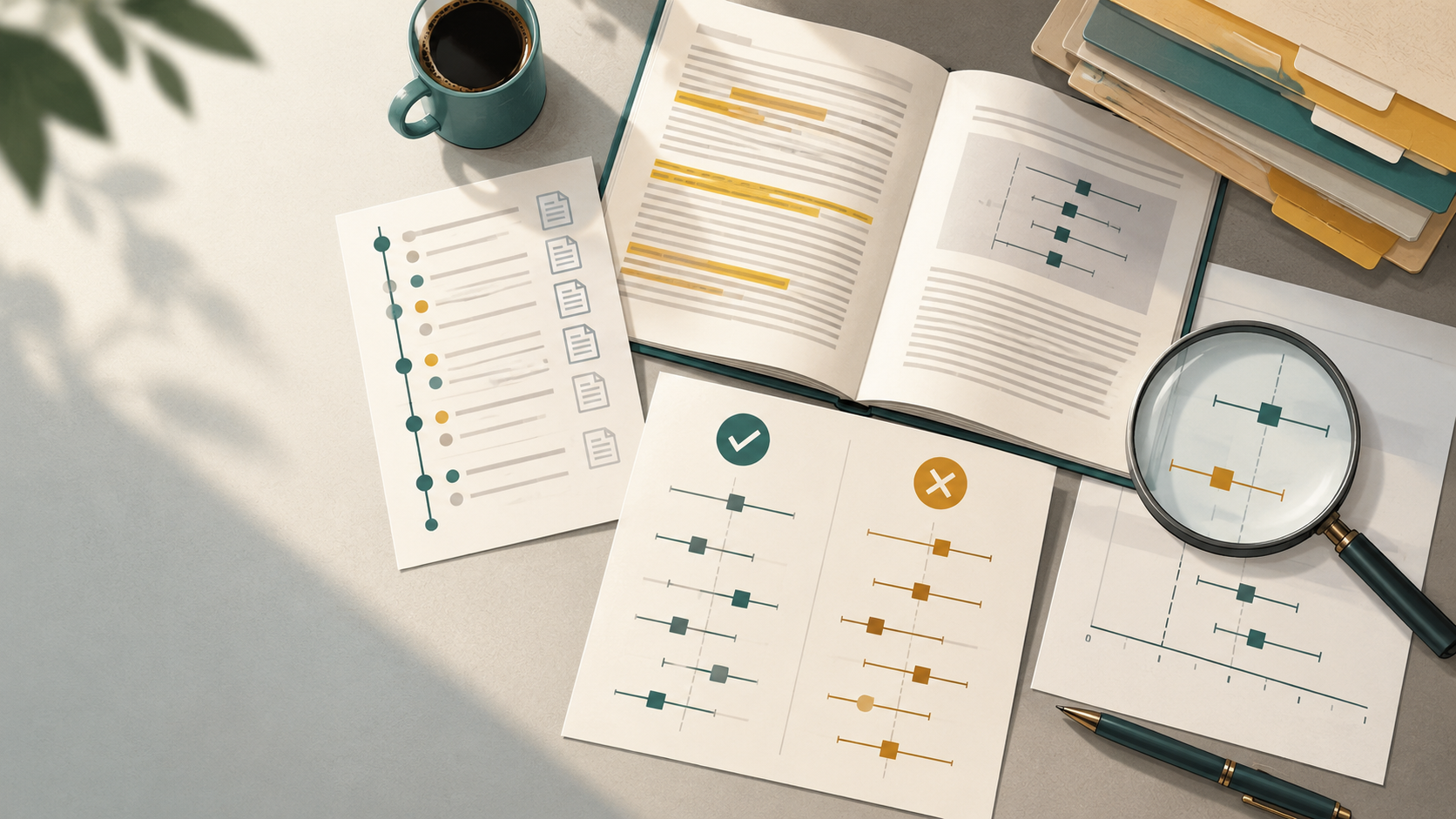
How to Include Null and Negative Findings in an Evidence Summary
A null or negative finding is not a gap to be smoothed over—it is a result that changes what your evidence summary can claim. The practical challenge is threefold: find the studies that did not confirm your hypothesis, r
How to Keep an Inclusion and Exclusion Log During Fast Screening
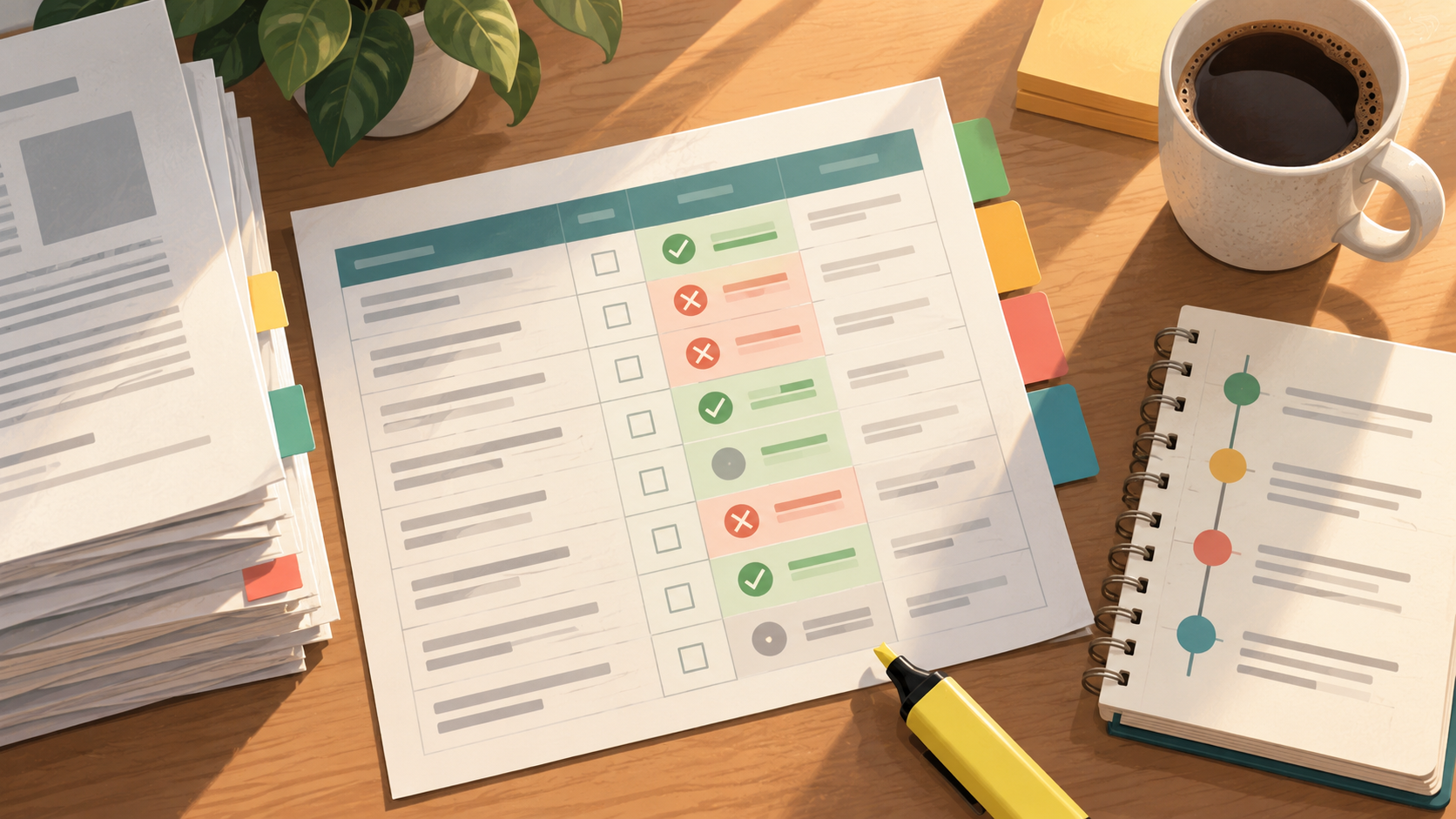
Fast screening fails quietly. You read a title, decide "no," and move on — and three weeks later, when your supervisor asks why a paper you cited in your proposal never made it into the review, you cannot reconstruct the

How to Link Multiple Papers That Report the Same Study
A single trial can surface in your search results as a protocol, a primary outcomes paper, a secondary analysis, a conference abstract, and a long-term follow-up. If you count each as a separate study, your evidence tabl

How to Prepare an Evidence Check for a Supervisor Meeting
An evidence check is a short, structured briefing you bring to a supervision meeting so that you and your supervisor can make decisions about your paper in the time you have. It answers five questions in order: what ques
How to Recover Missing Citation Metadata Before Submission
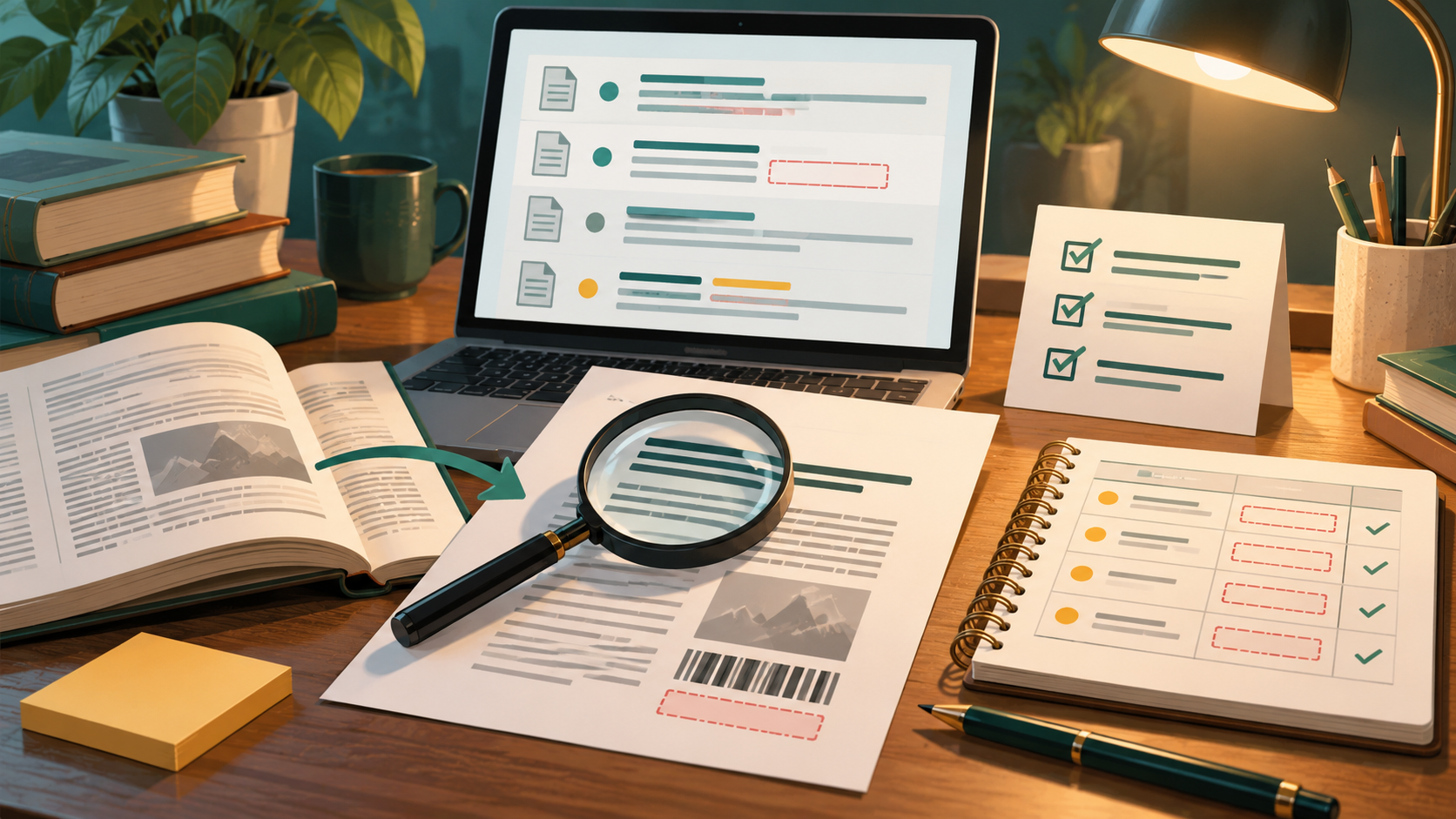
A missing author, a year that changes between versions, or a title that appears in three slightly different forms can stall a reference list right before a deadline. The practical fix is not to guess the missing field. I
How to Remove Duplicate References Without Losing Distinct Studies
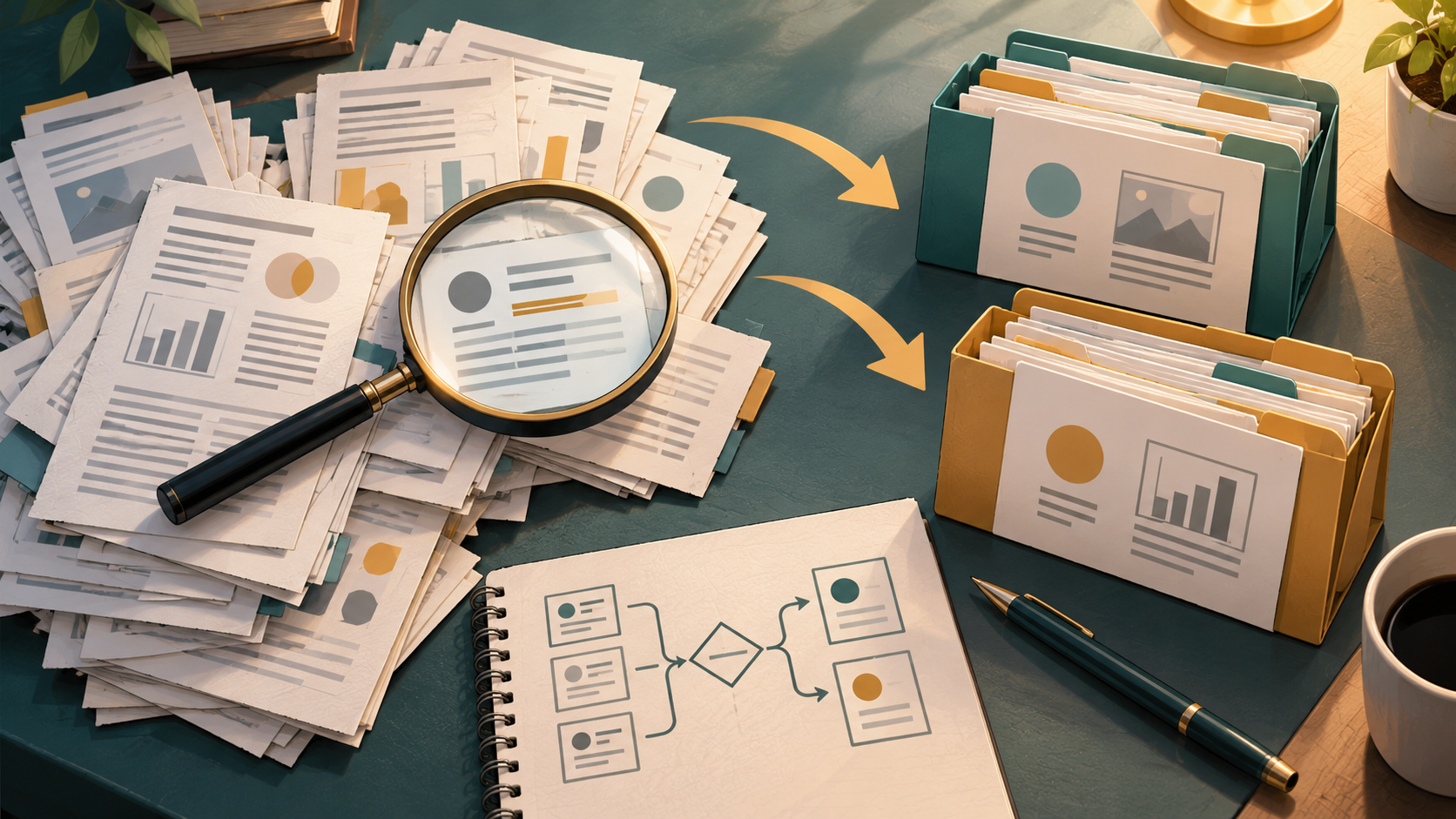
Duplicate removal in a review is not a single "delete duplicates" click. It is a sequence of decisions that separates three different things: the same record arriving twice from different sources, multiple reports of one