
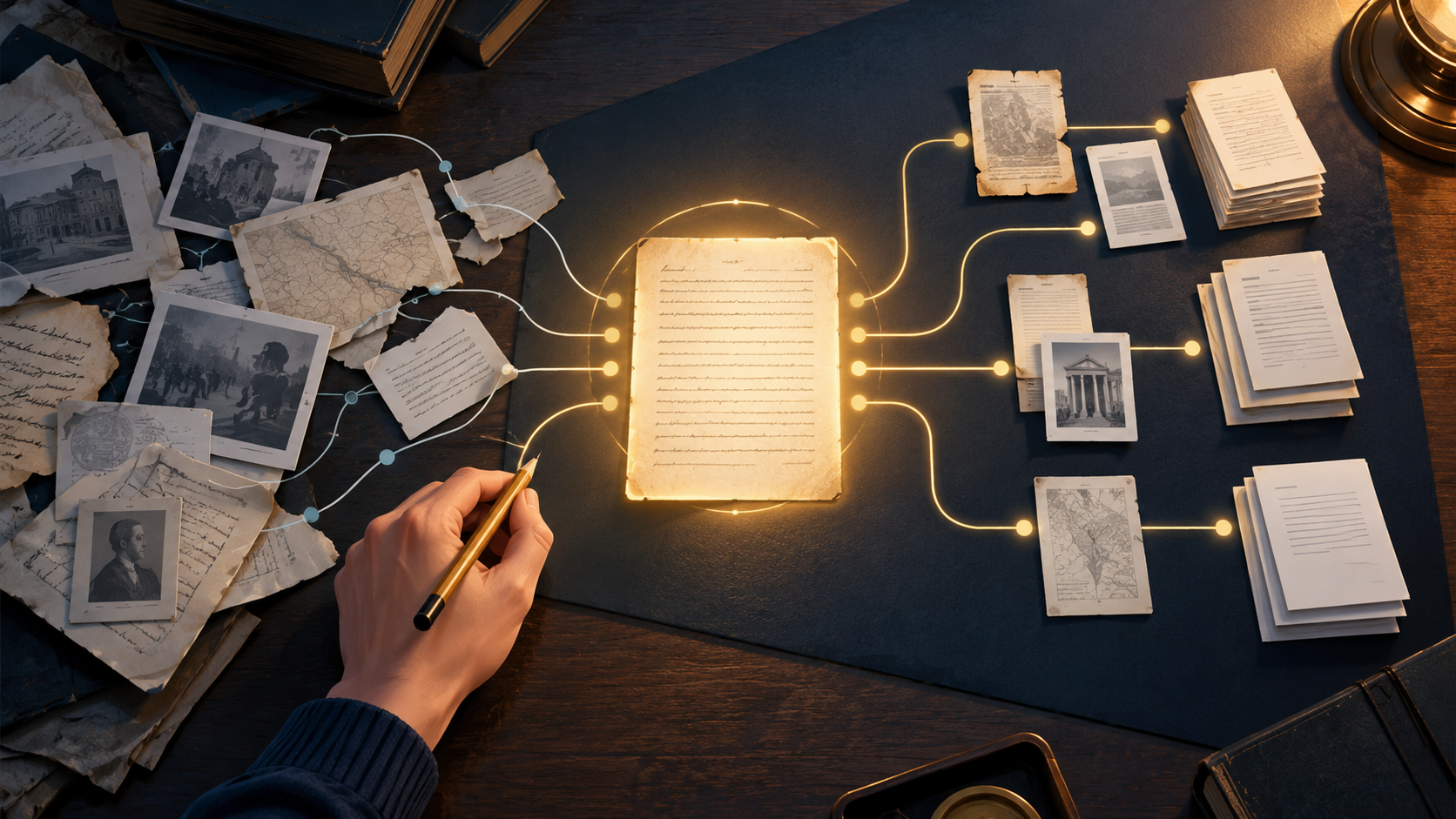
Primary Source Tracing: How to Get from a Claim to the Original Evidence
A claim in a decision memo is only as strong as the path you can draw back to the work that supports it. Primary source tracing is the practice of walking that path deliberately: from a sentence in a report, through the

Research Deadline Rescue: A Complete Evidence-Recovery System
When a course paper, thesis chapter, or first manuscript is due soon, the problem is rarely that you have no sources. It is that you have too many half-checked leads, a rubric you have not reread, and no clear point at w

Search Strategy Repair: A Complete Guide to Fixing Weak Results
A weak literature search rarely has a single cause. You may find three papers when you need thirty, or three hundred when you need a defensible shortlist. The results may be about the wrong population, or they may be abo
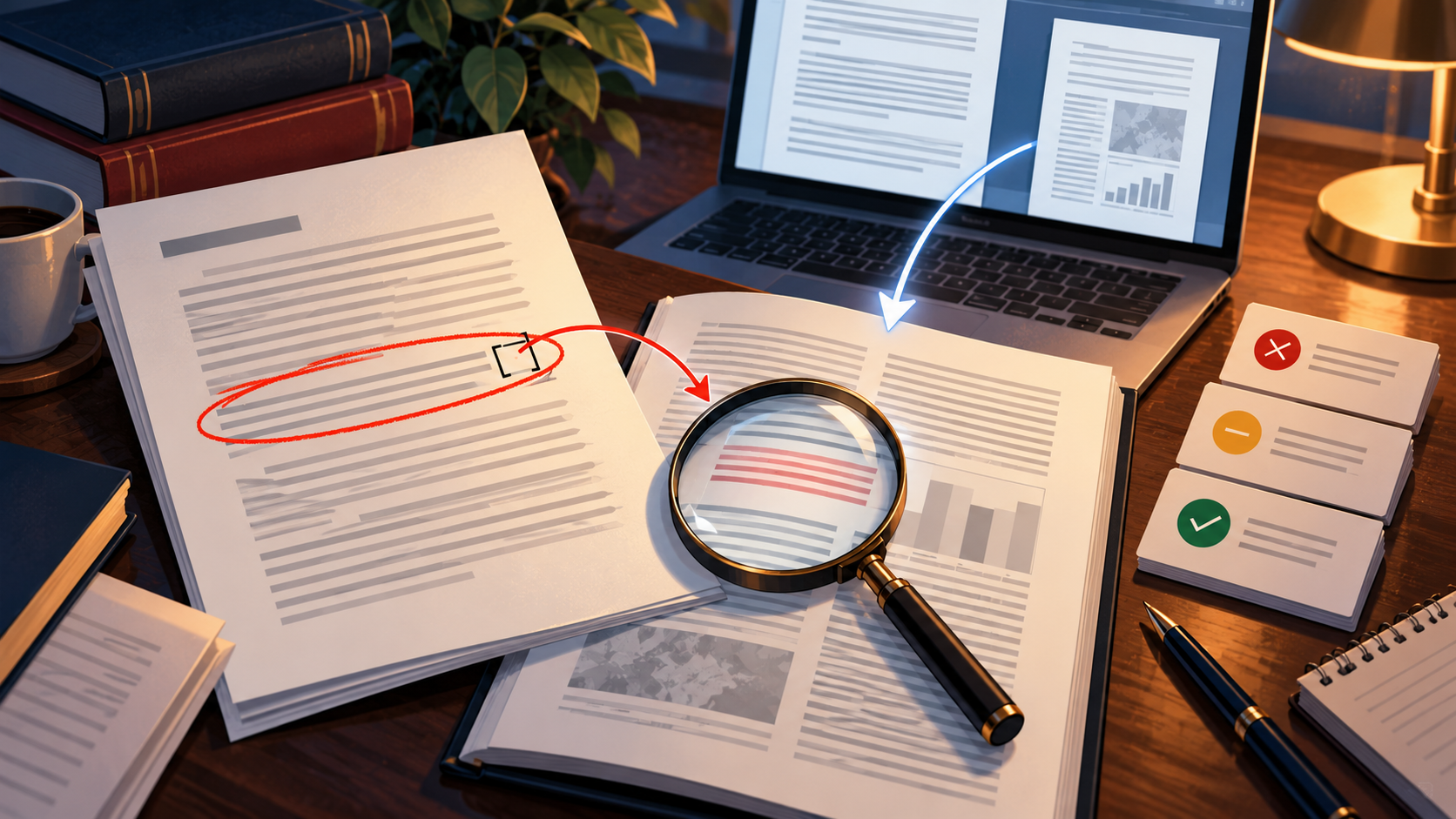
The Citation Is Real but It Does Not Support the Sentence
A due-diligence memo is two hours from circulation. One line reads: "Post-publication updates to this dataset show the effect was revised downward." The footnote points to a paper that genuinely exists, with a working DO

The Most Relevant Paper Is Behind a Paywall: A Reproducible Workflow for Lawful Access and Honest Citation
You are drafting a manuscript, and the single most relevant paper sits behind a paywall. The abstract confirms it is the right study, but the full text is locked. The temptation is to cite it anyway, paraphrase the abstr
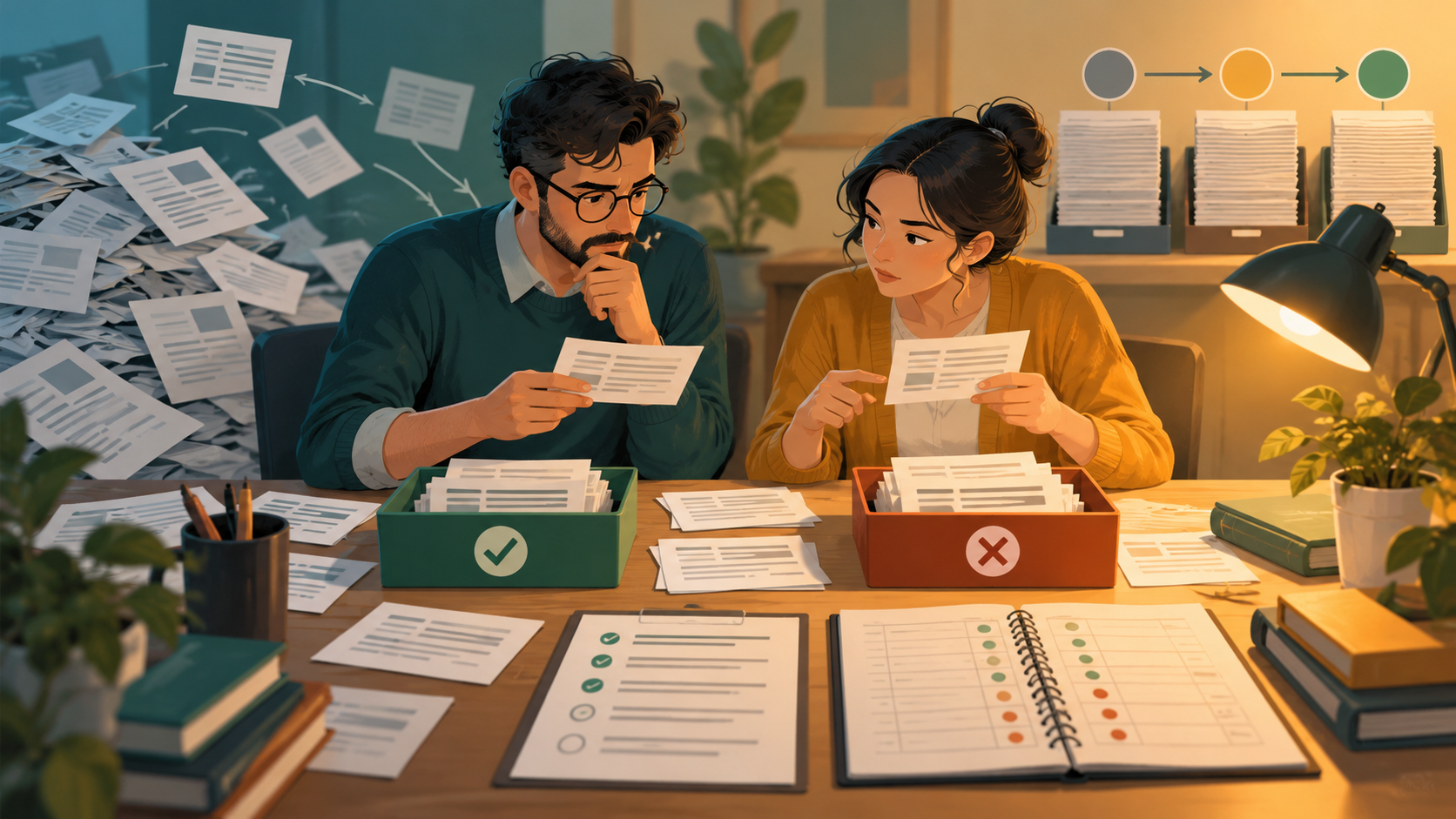
Two Reviewers Disagree on Which Studies to Include: Repairing a Screening Decision Before the Deadline
You have a course paper due Friday, a rubric that rewards a defensible method section, and two reviewers who reached opposite verdicts on the same stack of abstracts. One says a study belongs in the review; the other say

You Have 24 Hours and Three Unsupported Claims: What Do You Fix First?
Your draft is due tomorrow. Your supervisor's feedback is blunt: three claims in the results and discussion sections have no citation, no data, and no clear source. You have limited database access, a rubric that rewards
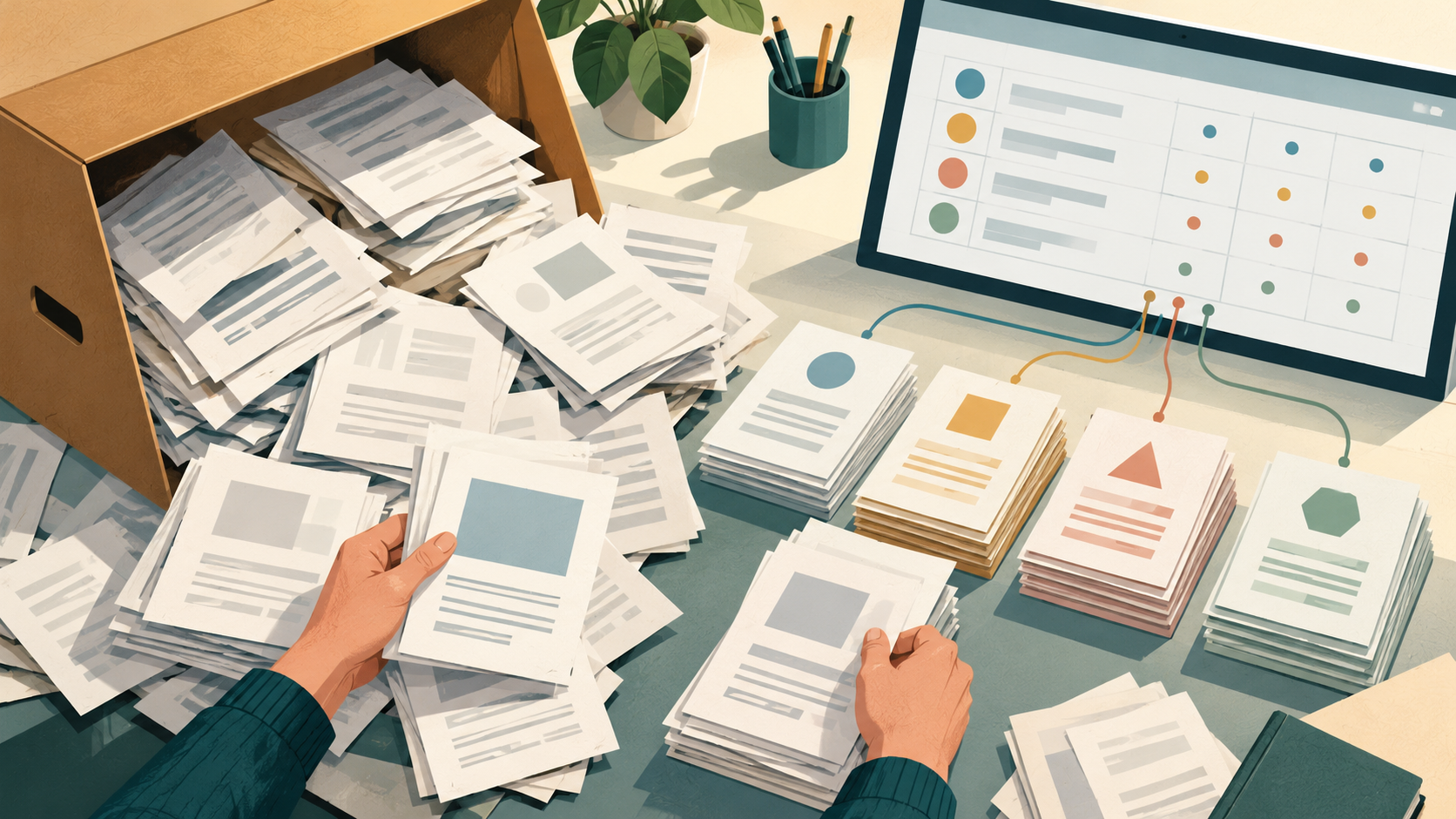
You Inherited 200 PDFs With No Search Log: Rebuilding a Defensible Evidence Base
A folder of 200 PDFs arrives with a manuscript draft, a half-finished reference list, and no record of how any of it was found. The temptation is to write a methods paragraph that sounds systematic and move on. The bette

Your PubMed Search Keeps Returning the Wrong Patient Population
A search that returns the wrong patient population is usually not a database failure. It is a translation problem. PubMed may have mapped a free-text word to a MeSH heading that covers a broader or differently defined gr
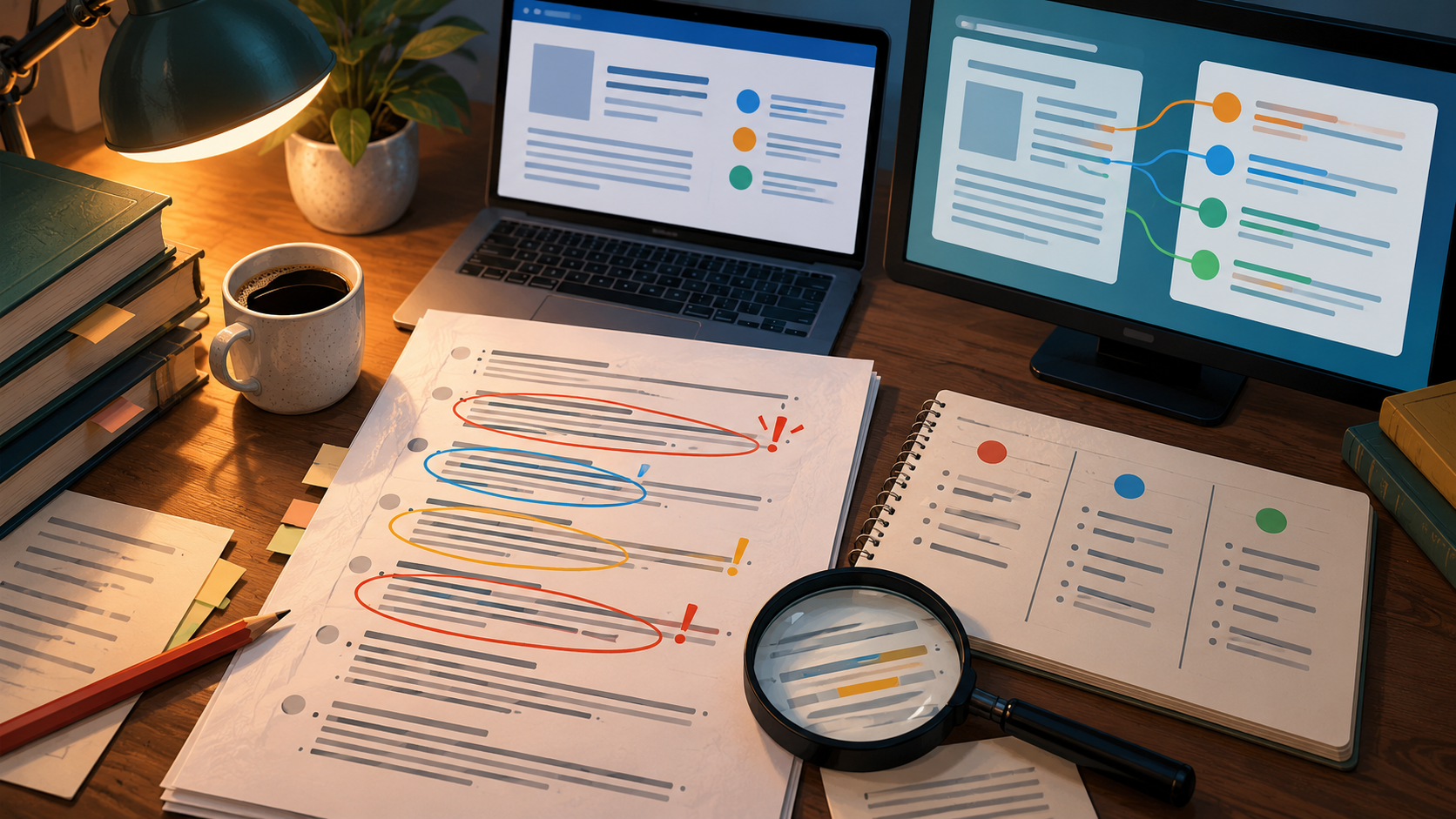
Your Reference List Has Conflicting Titles, Years, and DOIs: A Repair Workflow for Manuscripts
A reference list that disagrees with itself is a small problem with a large blast radius. One entry says the paper appeared in 2019; the DOI resolves to a 2020 version. A co-author's BibTeX file gives a slightly differen