

Your Research Team Saved the Same Papers Five Times: Cleaning a Shared Library Without Losing the Evidence Trail
A shared library that has been growing across a manuscript draft, a revision, and a grant summary rarely fails loudly. It fails quietly: the same randomized trial appears as a preprint, a conference abstract, and the fin
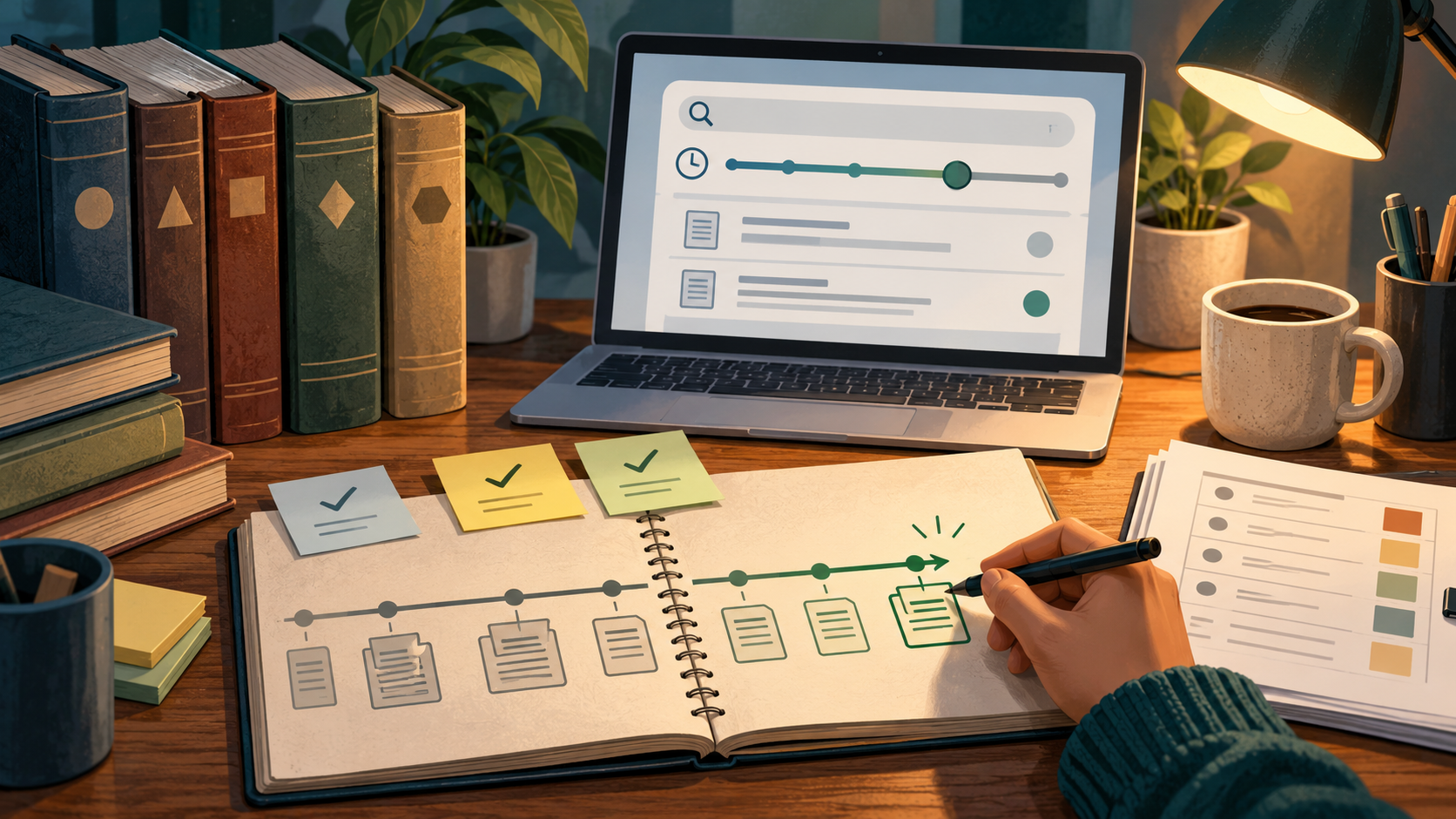
Your Supervisor Says Your Sources Are Too Old: How Do You Update Them?
"Your sources are too old" is one of the most common and most confusing pieces of feedback a student can receive. It rarely means every citation is wrong. More often it means the reviewer cannot see that your foundation
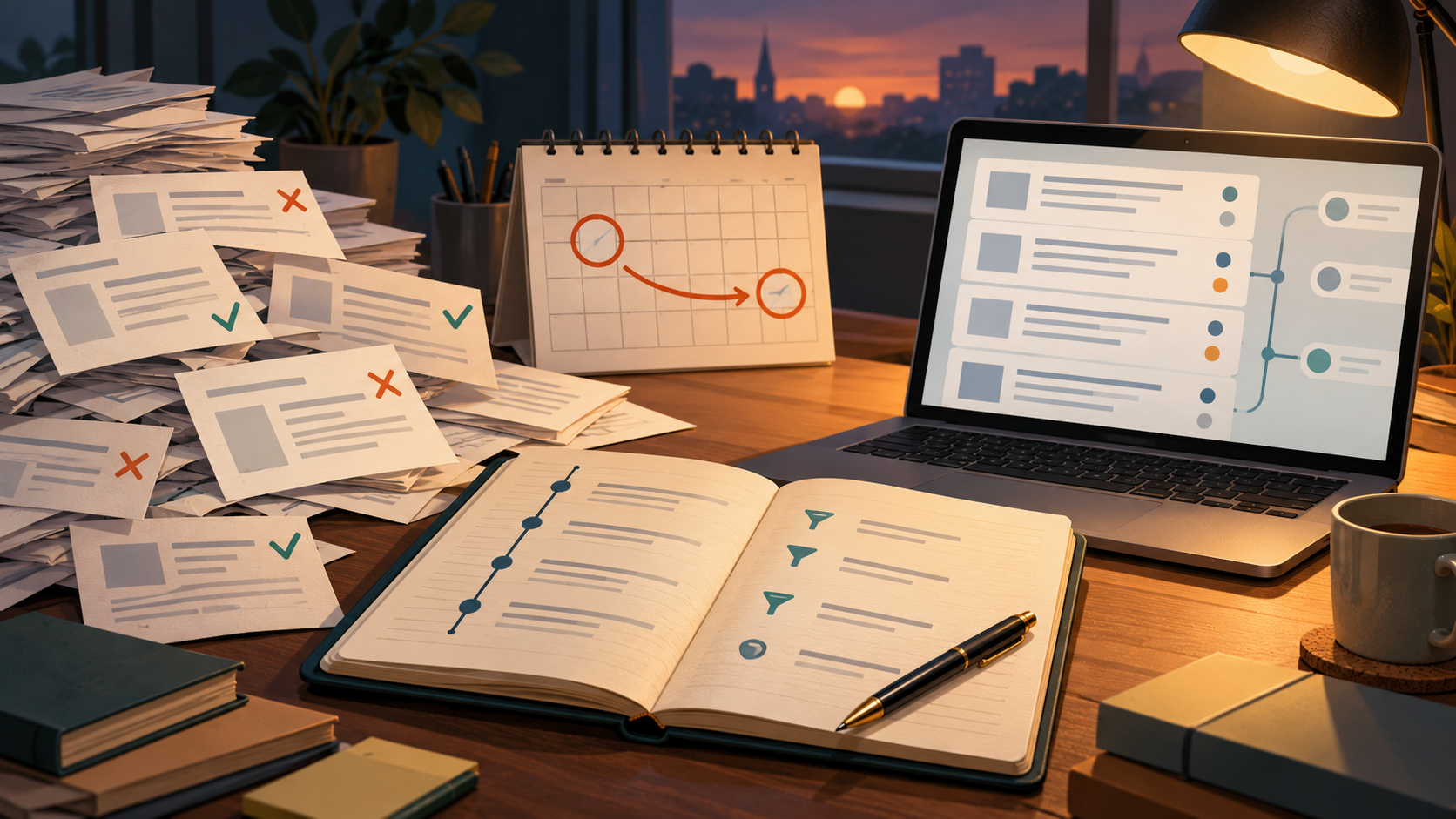
Your Systematic Review Search Is Six Months Old: Running an Update Search Before Submission
You ran your searches in March. It is now September, the submission portal closes Friday, and your supervisor has just written one line in the margin of your draft: "When was this search last run?" That question is not a
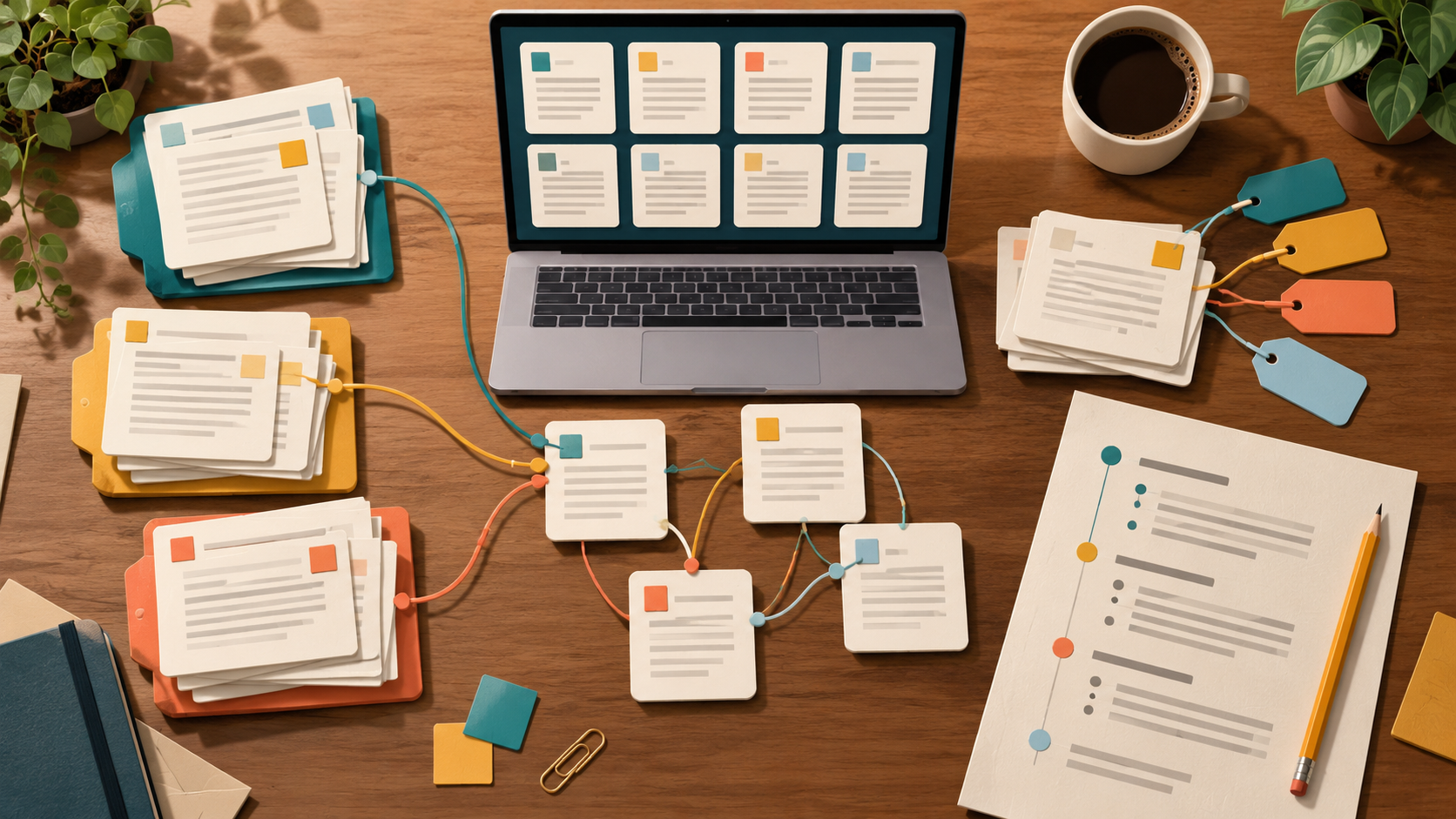
Zotero Collections vs. Tags for Managing a Literature Review
A literature review under a deadline fails in a predictable way: not because you cannot find papers, but because you cannot tell, at a glance, which papers belong to which argument, which ones you have actually read, and
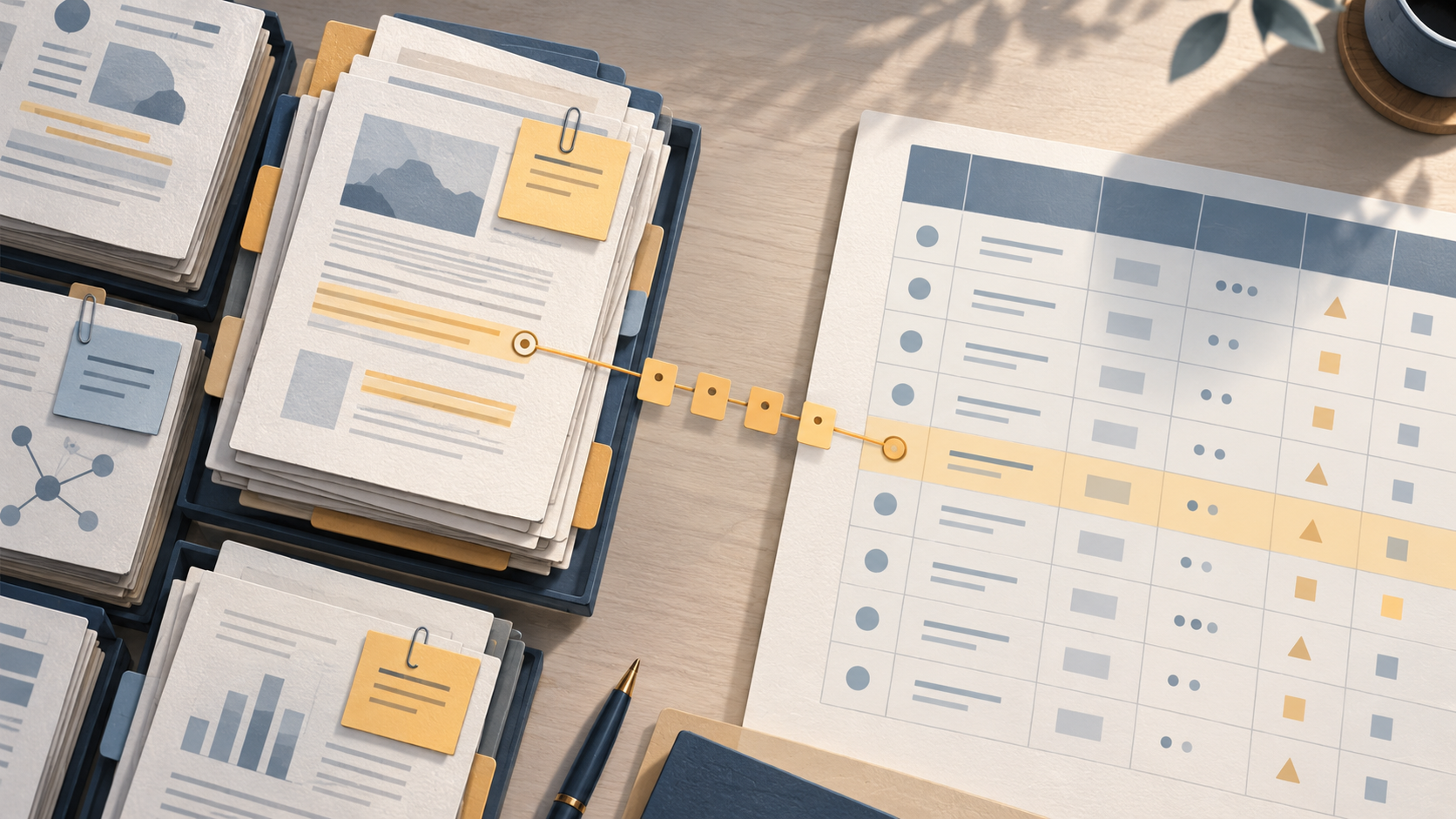
Zotero vs. a Spreadsheet for Tracking Evidence: Choosing the Right Tool for an Auditable Review
When you are preparing a manuscript, a revision, or a grant-related evidence summary, the question is rarely "which tool is better?" It is "which tool keeps my method trail auditable?" Zotero and a spreadsheet solve diff
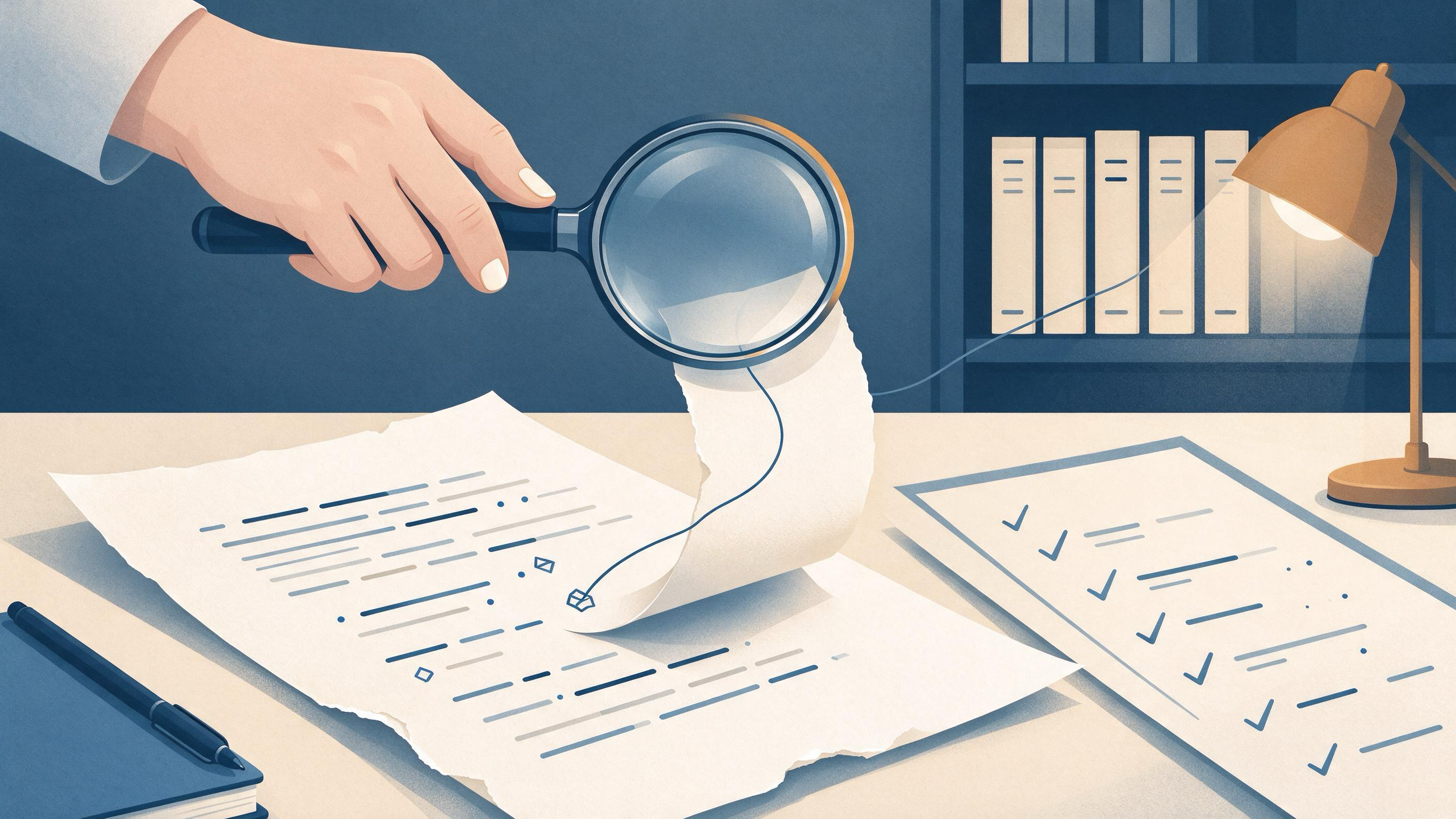
A Citation Moved but the Claim Did Not: Repairing a Drifted Reference in Your Manuscript
A citation has "moved" when the identifier in your manuscript no longer points to the work that actually supports the sentence. The DOI resolves, the link opens, the reference looks plausible — but the destination has ch
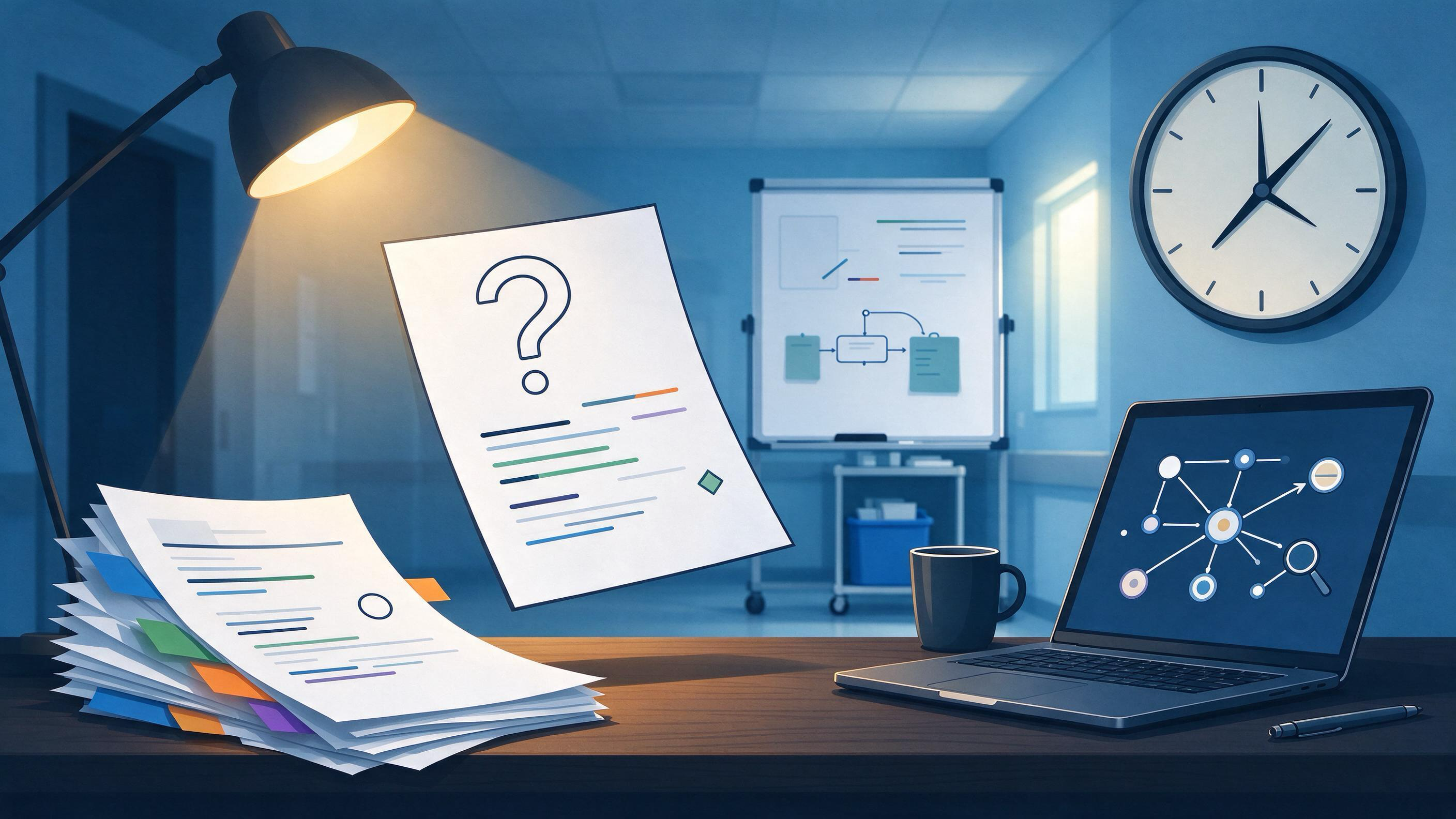
A Clinical Team Needs an Evidence Brief by Tomorrow: A Practical Workflow
A request for an evidence brief "by tomorrow" is really a request for a defensible decision aid: a short document that states a focused question, shows how the evidence was found and selected, separates what the studies
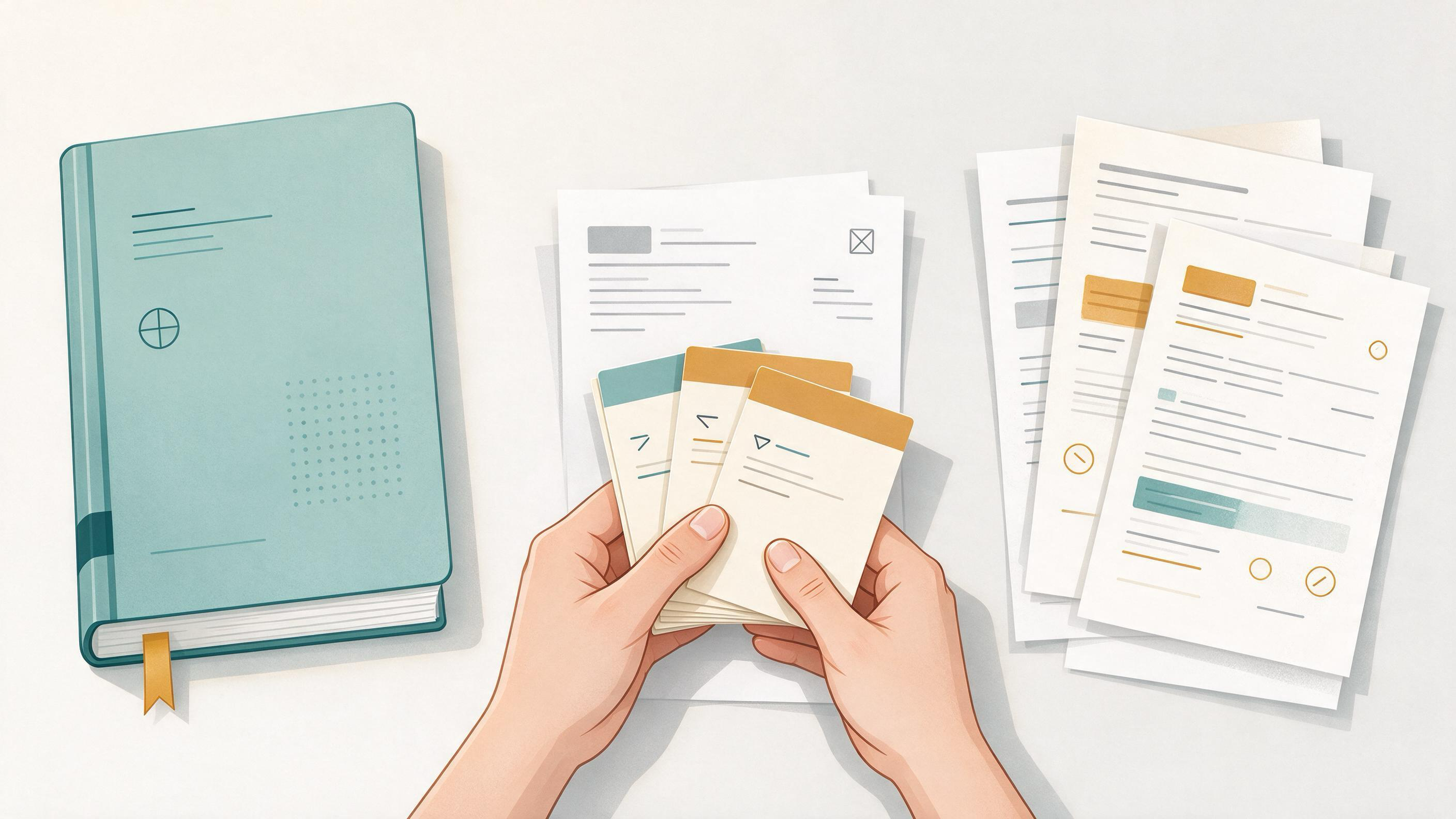
A Guideline Recommendation Does Not Match the Studies You Found
You are preparing a short evidence brief for a team discussion. The guideline says one thing; the studies you pulled say something narrower, older, or aimed at a different population. The instinct is to force a match — e

A New Project Starts Monday and Nobody Has Built the Reading List
A new project starts Monday, and the reading list does not exist yet. Maybe you have a folder of PDFs from a winter-break cleanup, a supervisor's margin comments on a draft chapter, and a vague sense that the literature
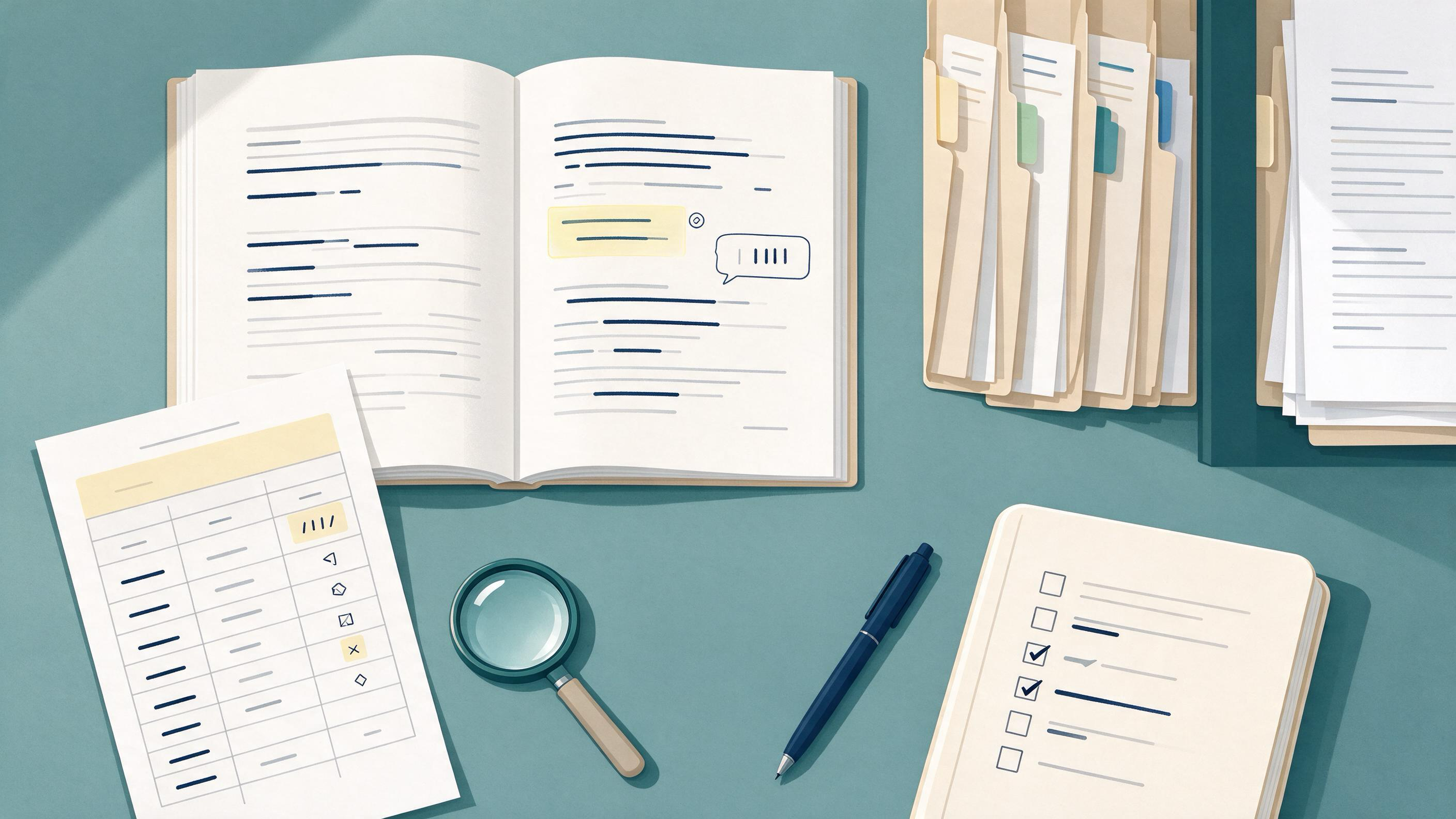
A Reviewer Asks for Newer Evidence After Your Search Is Closed
Your manuscript is submitted, your search log is archived, and then a reviewer writes: the evidence base looks dated. Perhaps the review was screened months ago, or the reviewer points to a recent paper you did not captu