
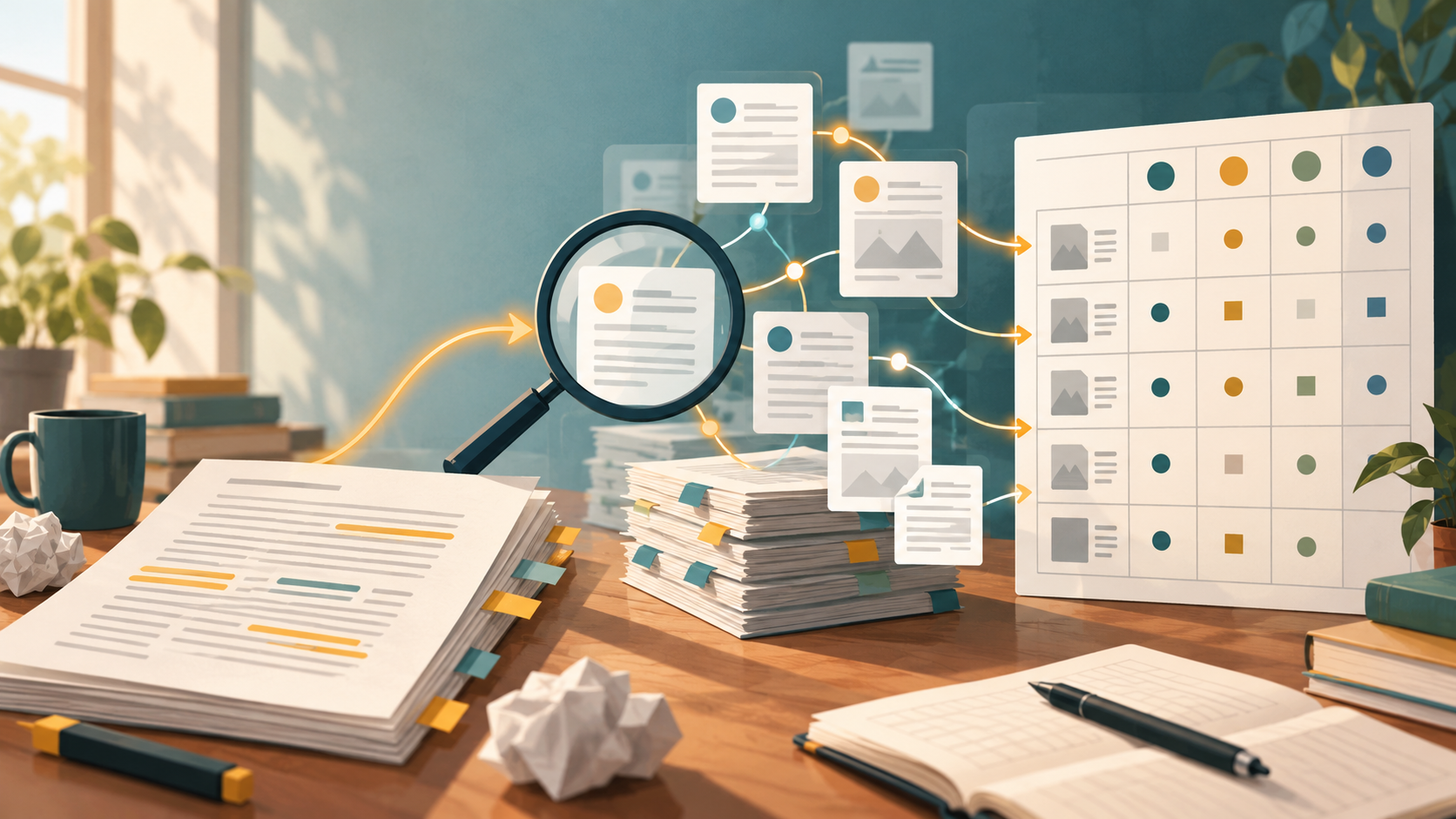
Evidence Gap Detection: A Practical Guide from Draft Audit to Search
You have a draft, a deadline, and a nagging worry that the gap you claim is not really a gap. Evidence gap detection is the work of checking that worry against your own claims, your search record, and the primary sources

Evidence Matrix vs. Annotated Bibliography: Which Helps You Write Faster?
If you are writing under a deadline, the faster format is the one that matches the next sentence you have to write. An annotated bibliography is a source-by-source record: each entry describes one study and its contribut
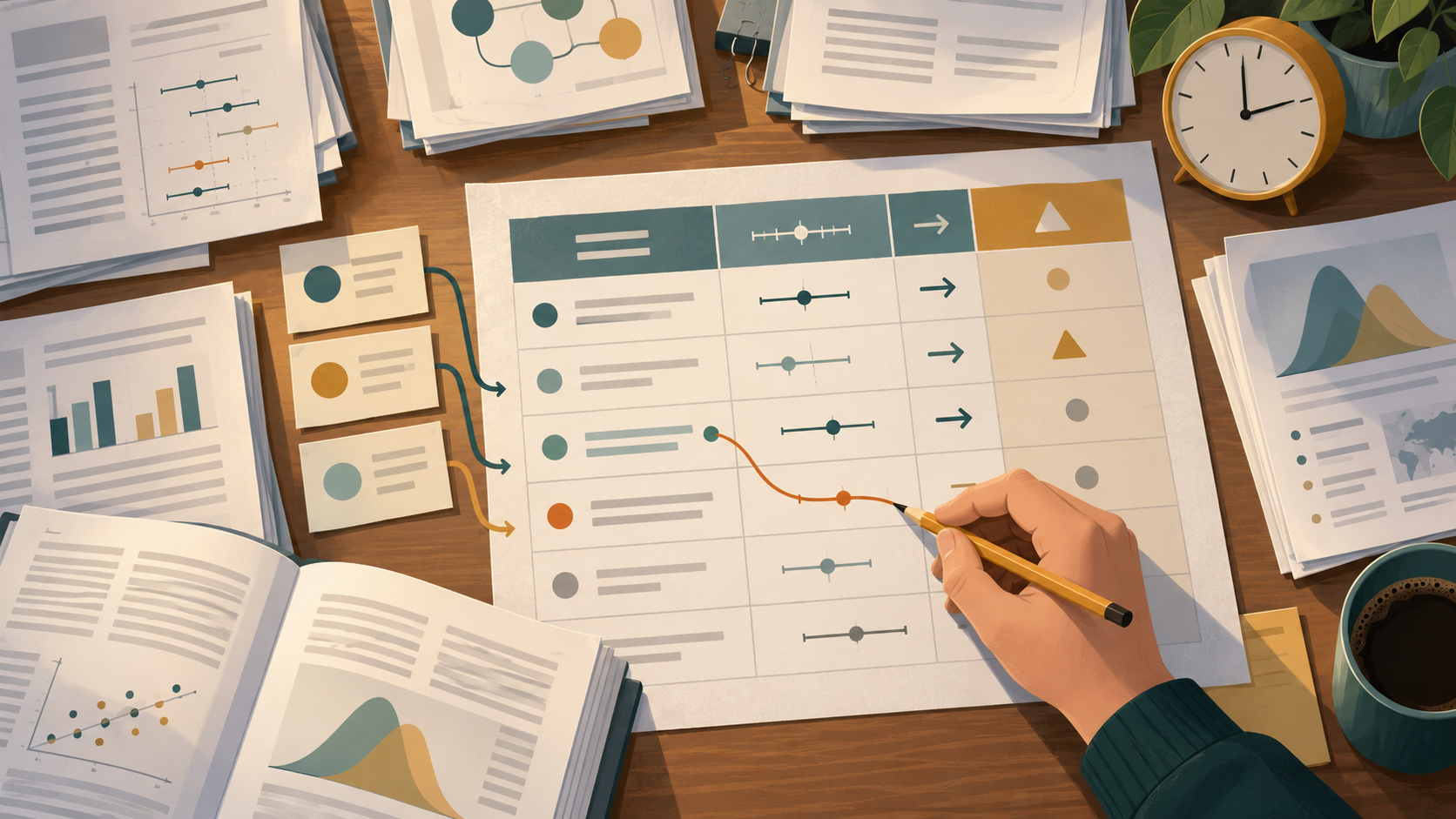
Evidence Synthesis: How to Compare Findings Without Oversimplifying
Comparing findings across studies is where a literature review either becomes an argument or collapses into a list. The difference is rarely the number of papers you cite. It is whether you can show, study by study, what

Five Studies Report the Same Outcome in Different Ways: A Practical Guide to Standardizing Definitions, Units, and Comparability
You have five studies that all claim to measure "the same outcome," yet the numbers do not line up. One reports a mean with a standard deviation, another a median with an interquartile range, a third a percentage change
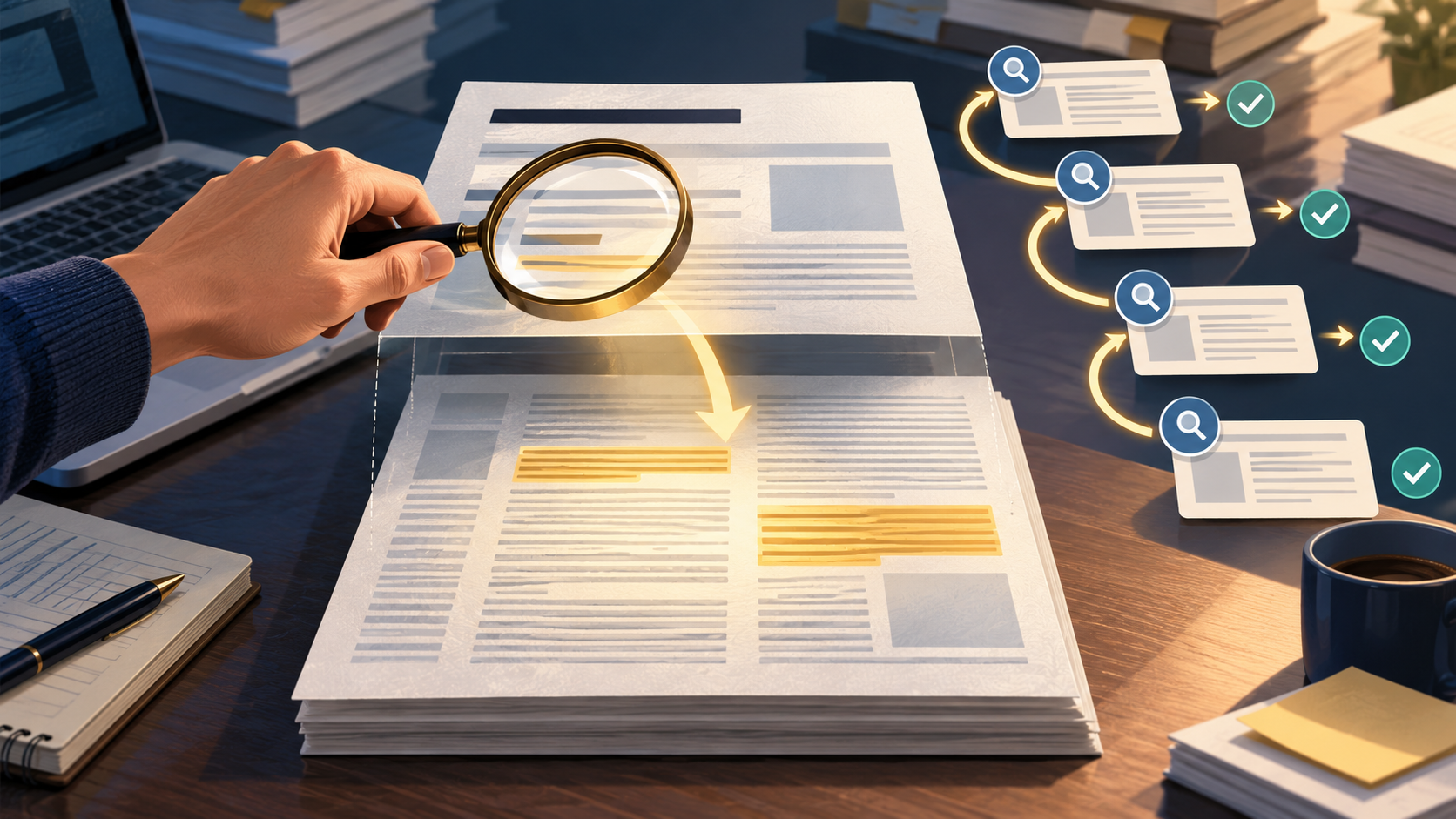
Full-Text Search vs. Title-and-Abstract Search: Choosing the Right Retrieval Layer for a Manuscript
When you are building the evidence base for a manuscript, a review, or a revision, the first real decision is not which database to open but which layer of each record you search. Title-and-abstract search reads the shor

Google Scholar Alerts vs. PubMed Saved Searches for Staying Current
Staying current on a clinical or biomedical question is a recurring maintenance task, not a one-time search. Two familiar options sit at opposite ends of the control spectrum: Google Scholar alerts, which watch a broad s

Google Scholar vs. Crossref for Checking a Suspicious Citation
A suspicious citation usually arrives in one of two forms: a reference in a manuscript you are reviewing that does not quite look right, or a line in your own draft that you cannot fully place. The fastest way to settle

Google Scholar vs. PubMed: Which Search Should You Run First?
For most focused biomedical evidence questions, run PubMed first. Its controlled vocabulary, field tags, filters, and transparent search translation give you a reproducible, auditable strategy that Google Scholar cannot
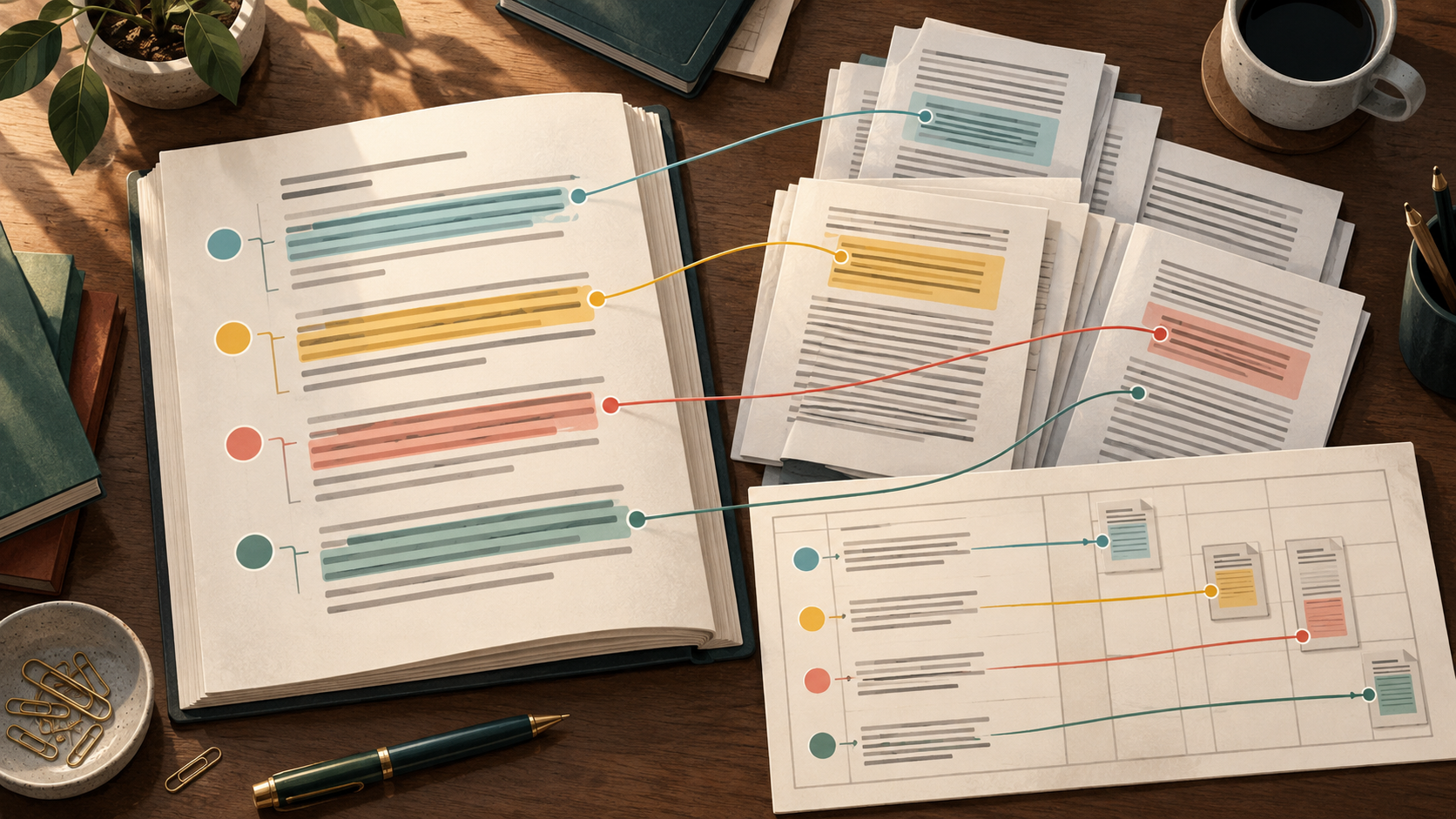
How to Audit Every Claim in a Draft Against Its Sources
A claim audit is a sentence-by-sentence pass through a draft in which you record what each sentence asserts, classify it as factual or interpretive, attach the exact source passage that supports it, and then revise or re
How to Build a Claim-to-Evidence Table Before Submission
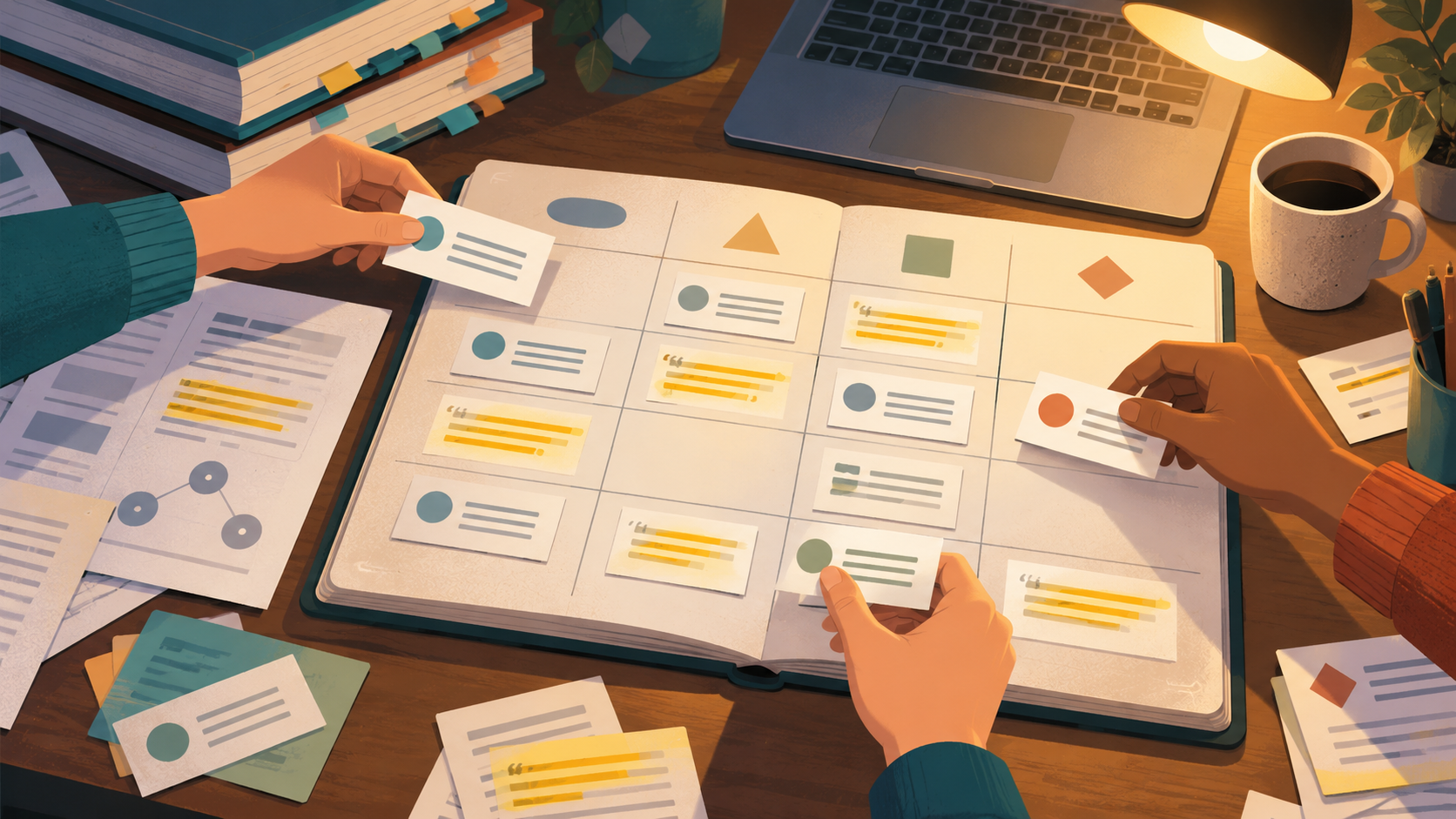
A claim-to-evidence table is a working document that lists every major claim in your draft and, for each one, records the source, the exact passage, the type of evidence, your confidence level, and the next action. Build