

Research Notebook vs. Reference Manager: Which Holds What?
A reference manager holds the identity of a source. A research notebook holds the reasoning you build on top of it. The practical answer to "which holds what" is that neither should hold everything: the reference manager

Research Paper Organization: A Complete System for Notes, PDFs, and Evidence
You are finishing a course paper, a thesis chapter, or your first manuscript, and the next project is already on the horizon. The problem is rarely a lack of sources. It is that your notes live in three apps, your PDFs a

Research Project Closeout: Preserve Sources, Decisions, and Search History
A research project is not finished when the last analysis runs. It is finished when someone else—a coauthor, a reviewer, a successor in the lab, or your future self—can reconstruct what you searched, what you kept, why y
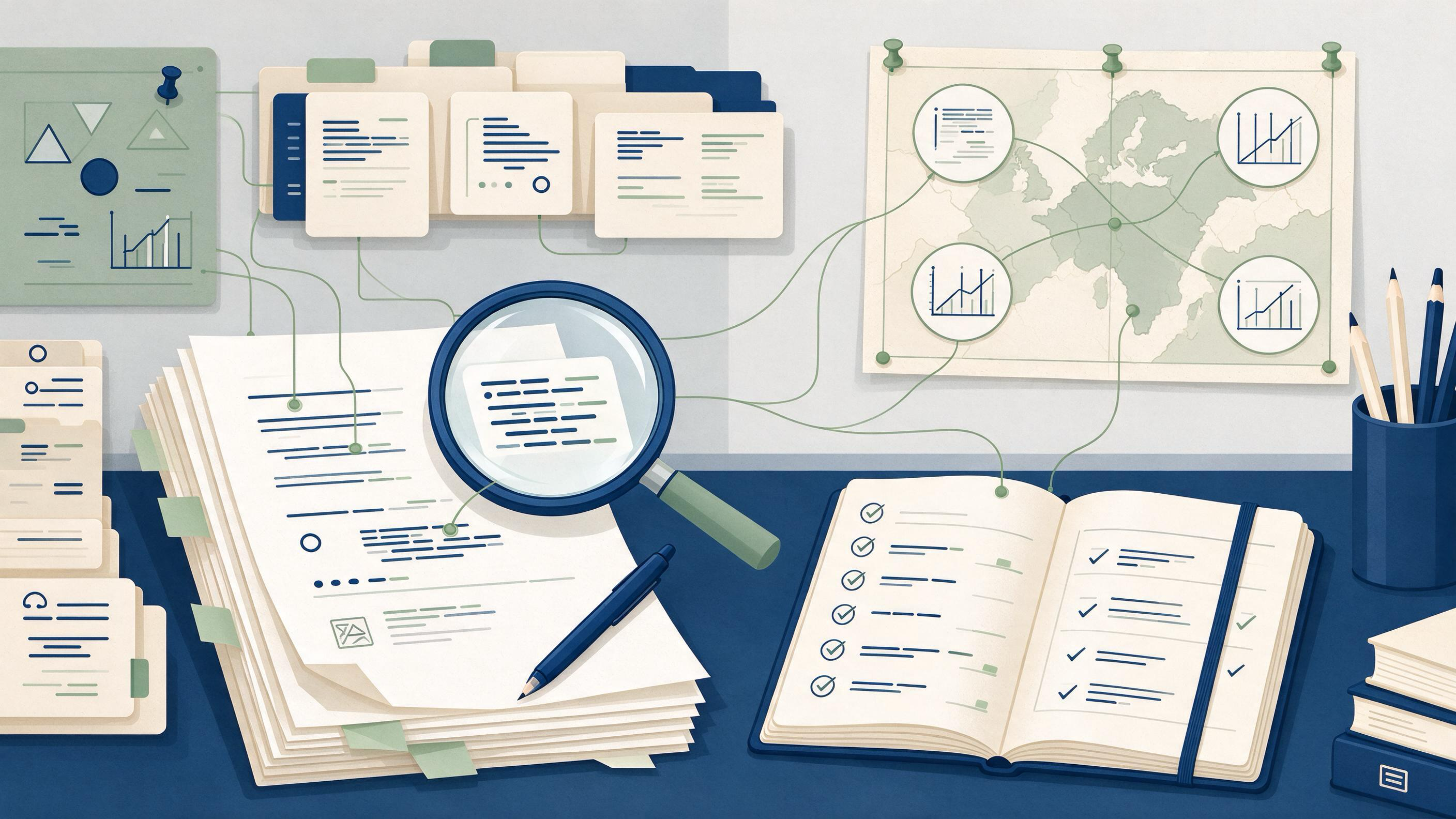
Research Revision Workflow: From Feedback to Verified Final Draft
Revision is not a single editing pass. It is a controlled sequence: you receive feedback, decide what it actually requires, change the manuscript, and then prove that every claim, citation, and method statement still hol

Scoping Search vs. Systematic Search: Which One Fits Your Question?
A scoping search is a fast, exploratory pass to learn the shape of a literature and decide whether a question is worth pursuing. A systematic search is a planned, documented, reproducible pass built from eligibility crit

Shared Zotero Library vs. Shared Drive Folder for Research Teams
A shared Zotero library and a shared drive folder solve different halves of the same problem. Zotero is built to organize references: one item can sit in several collections without being duplicated, tags can describe to

Source-by-Source Outline vs. Thematic Outline: Choosing the Right Structure for an Evidence Brief
You have a folder of papers and a deadline. The first structural decision you make — whether to outline paper by paper or theme by theme — shapes how you search, what you extract, and whether your brief answers a questio
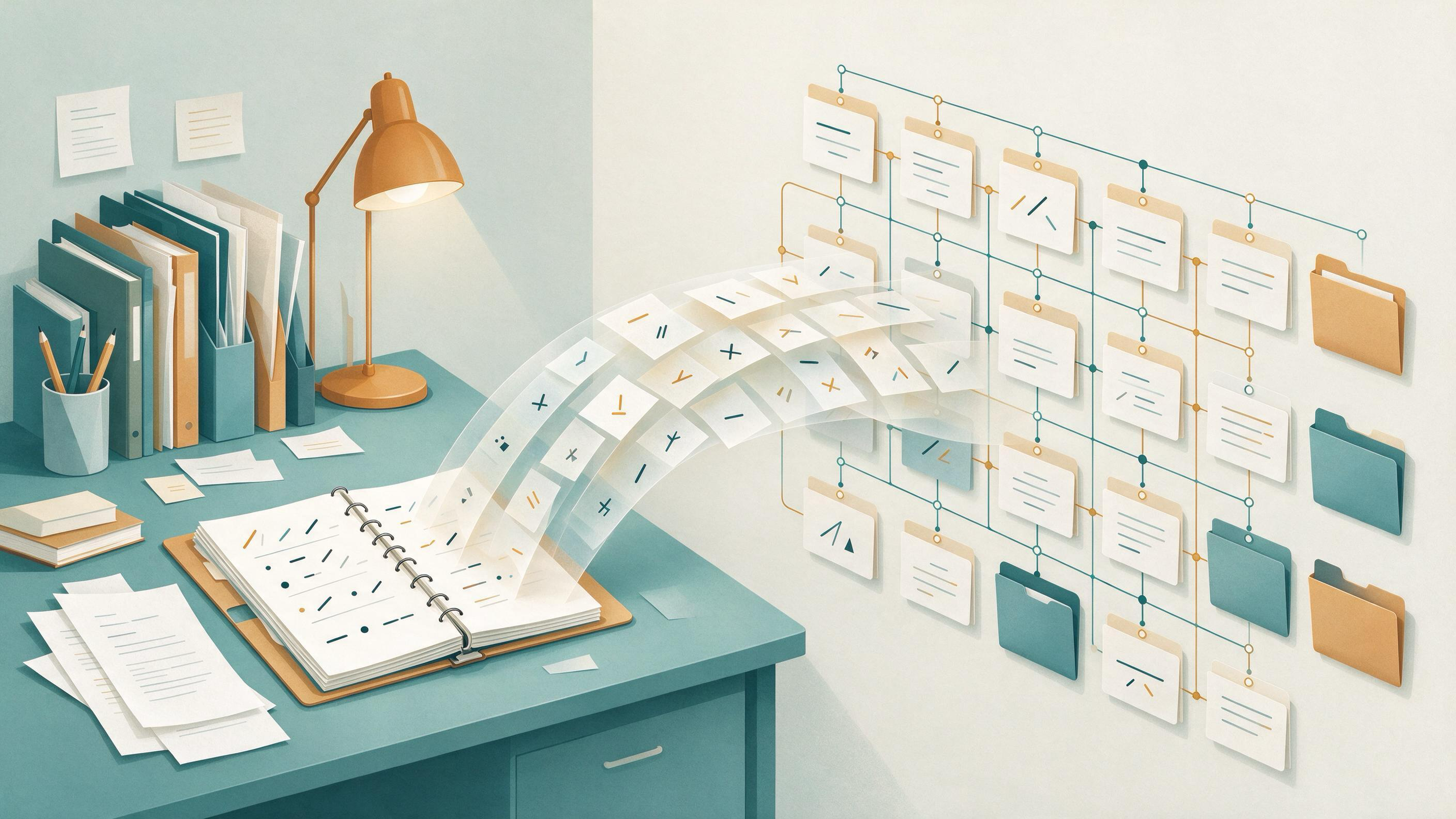
The Search Strategy Exists Only in One Person's Notes: Rebuilding an Auditable Method Trail
A manuscript is nearly ready. The screening is done, the synthesis reads well, and the coauthors are trading final edits. Then someone asks the question that stalls the room: "What exactly did we search, and where is it

Topic Tags vs. Workflow Tags in a Research Library
A research library usually starts to strain at the same moment: you have enough papers that finding them matters, and enough projects that a single folder structure stops working. Two tagging habits solve different halve

Two Coauthors Edited Different Versions of the Same Literature Review: A Repair Workflow
Two coauthors edited different versions of the same literature review. One file has a stronger introduction and a cleaner reference list; the other has newer studies and a sharper limitations section. Neither is obviousl