
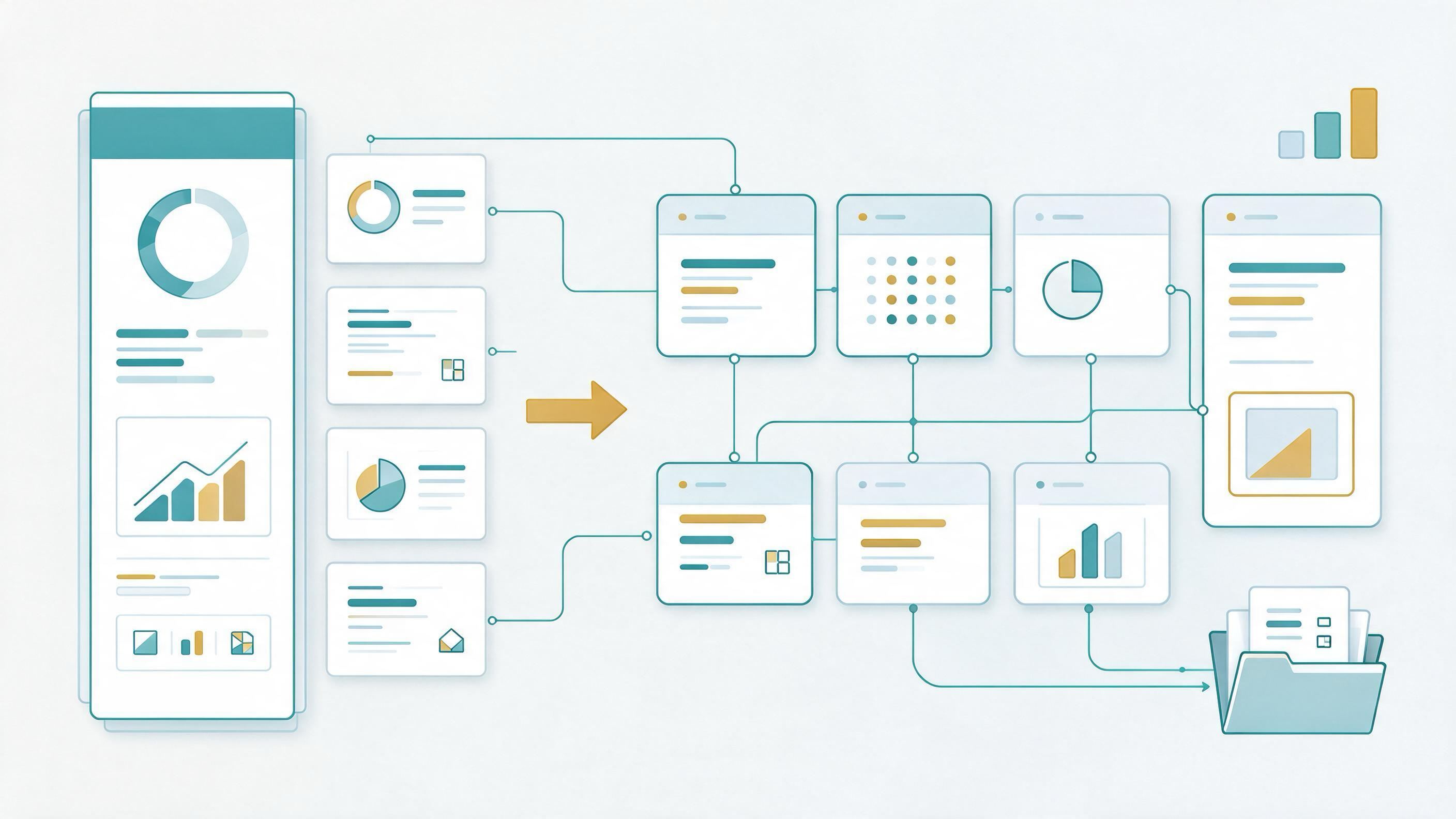
How to Turn a Finished Research Project into a Reusable Knowledge Base
A finished project usually leaves behind a deck, a memo, and a folder of PDFs. What it rarely leaves behind is a knowledge base — a structured set of records that a different team can pick up, audit, and extend without r
How to Turn Paper Summaries into a Real Synthesis
A stack of paper summaries is not a synthesis. A synthesis is an argument about what a body of work collectively shows, where it disagrees, and what remains unresolved — and it is built from decisions you make about scop

How to Turn Supervisor Comments into a Revision Plan
Supervisor comments are not a to-do list yet. They are raw feedback: a mix of questions, objections, suggestions, and quick margin notes, often written in a hurry and sometimes pointing at problems the supervisor has not
How to Update a Clinical Evidence Brief with New Studies
An evidence brief ages the moment it is finalized. New trials appear, systematic reviews are refreshed, and the search that produced the original document becomes stale. Updating a brief is not a matter of pasting in the
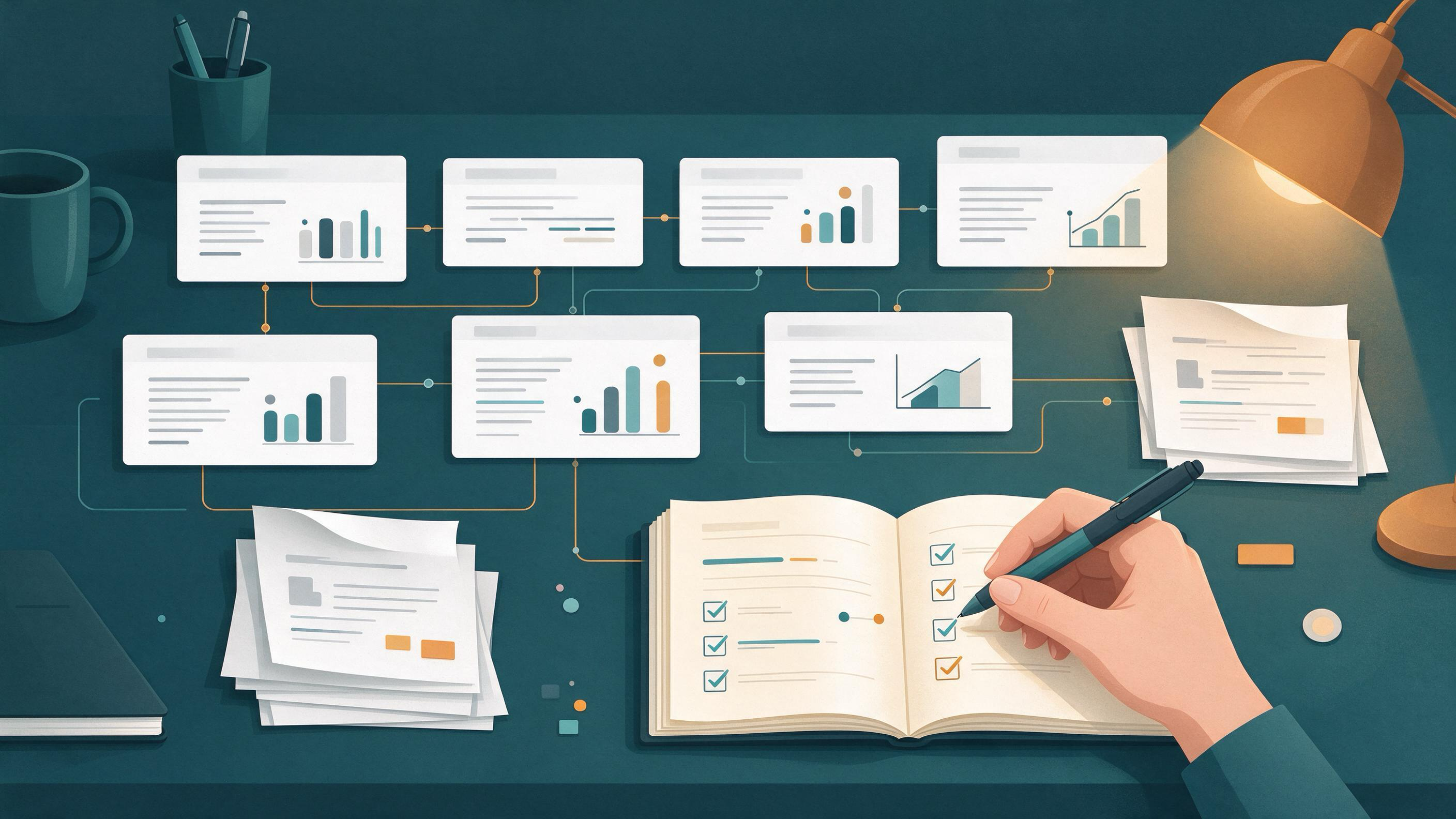
How to Verify Every Claim in a Presentation Before It Reaches a Client
A client deck fails in a specific way: not because one slide is wrong, but because nobody can tell which slides were checked. The fix is a verification pass that treats every factual statement as a claim with an owner, a
How to Write a Literature Review from Research Notes
You already have the notes. The PDFs are downloaded, the quotes are highlighted, and somewhere in a folder there is a document of bullet points you made at 1 a.m. The problem is that notes are not a literature review. A
How to Write a Synthesis Paragraph from Multiple Studies
A synthesis paragraph does more than list what several papers found. It organizes those findings around a claim, shows where studies agree or diverge, and makes the relationship between them explicit. If you are finishin
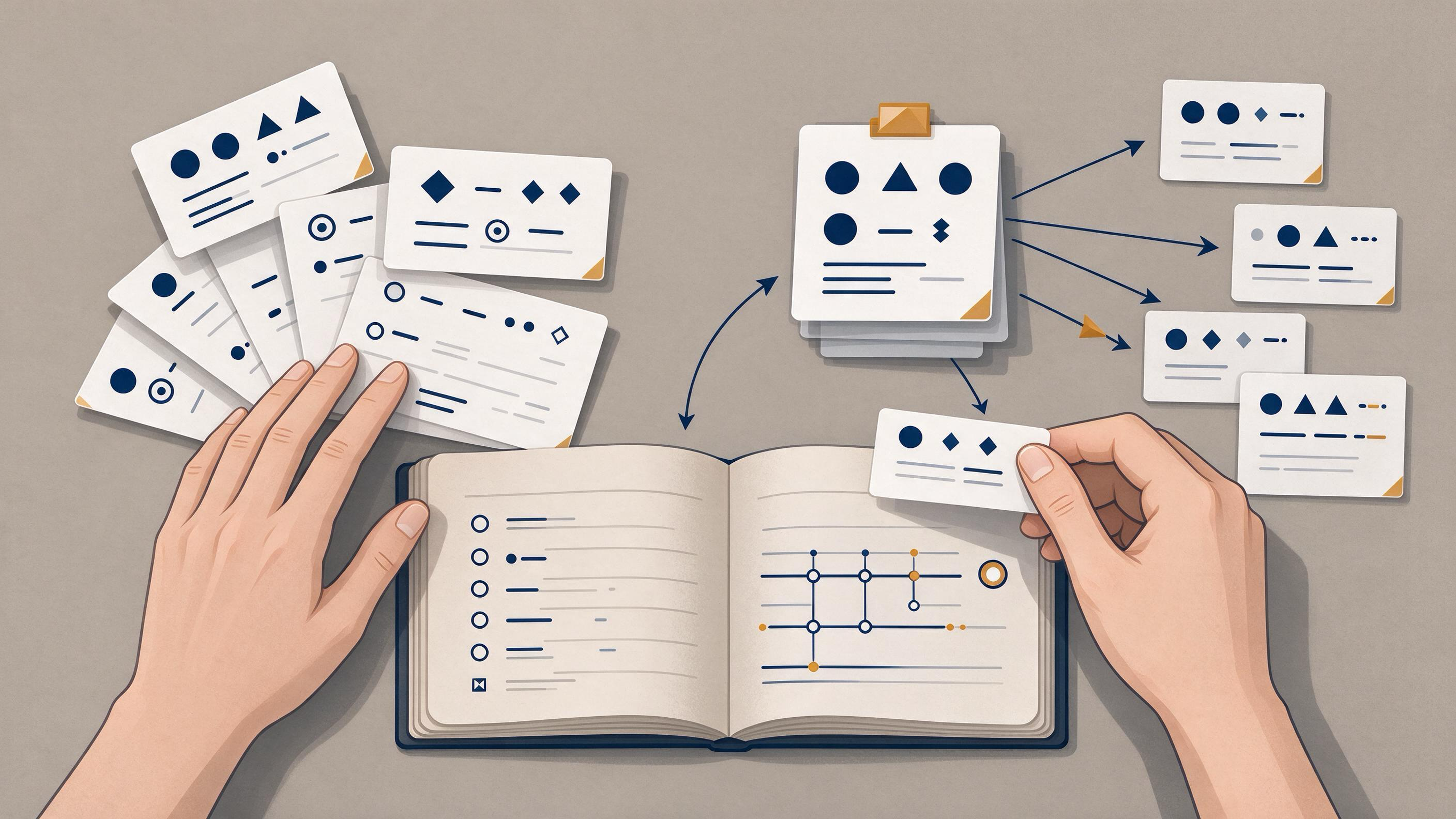
Keyword Alerts vs. Citation Alerts for Tracking a Topic
If you are deciding between keyword alerts and citation alerts, the short answer is that they answer different questions. A keyword alert asks, "What new work mentions my topic?" A citation alert asks, "What new work cit
Landmark Papers vs. Recent Papers: Which Should You Read First?
Read the landmark paper first when you need the field's founding question, its core method, or the vocabulary that later work assumes. Read recent papers first when you need the current state of a fast-moving subfield, t
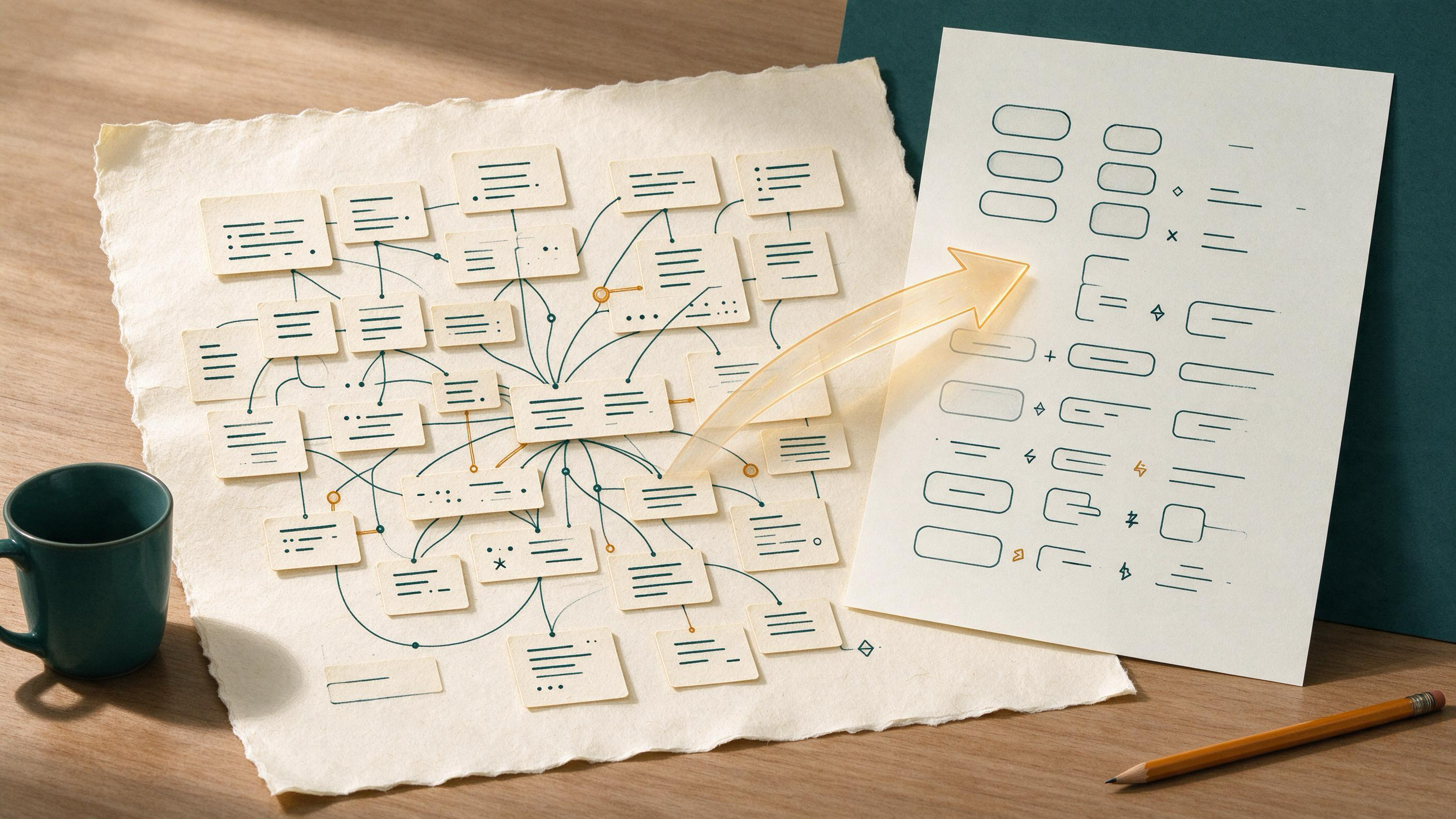
Literature Map vs. Traditional Outline: Which Should You Build First?
Build the literature map first when your problem is coverage and relationships: you need to know which studies exist, how reports connect to the same study, and where the evidence is thin. Build the traditional outline f