

How to Restart a Research Project After a Break
A research project that has been paused rarely resumes cleanly. Files have drifted, search strategies have aged, and the question itself may have shifted. The practical task is not to "get motivated" but to rebuild a def

How to Review a Backlog of Saved Papers Without Reading Everything
A backlog of saved papers is not a reading list. It is a pile of unresolved decisions. You saved each item because it might matter to a project, but you never decided what role it would play. Reviewing the backlog means
How to Revise a Literature Review After Your Research Question Changes
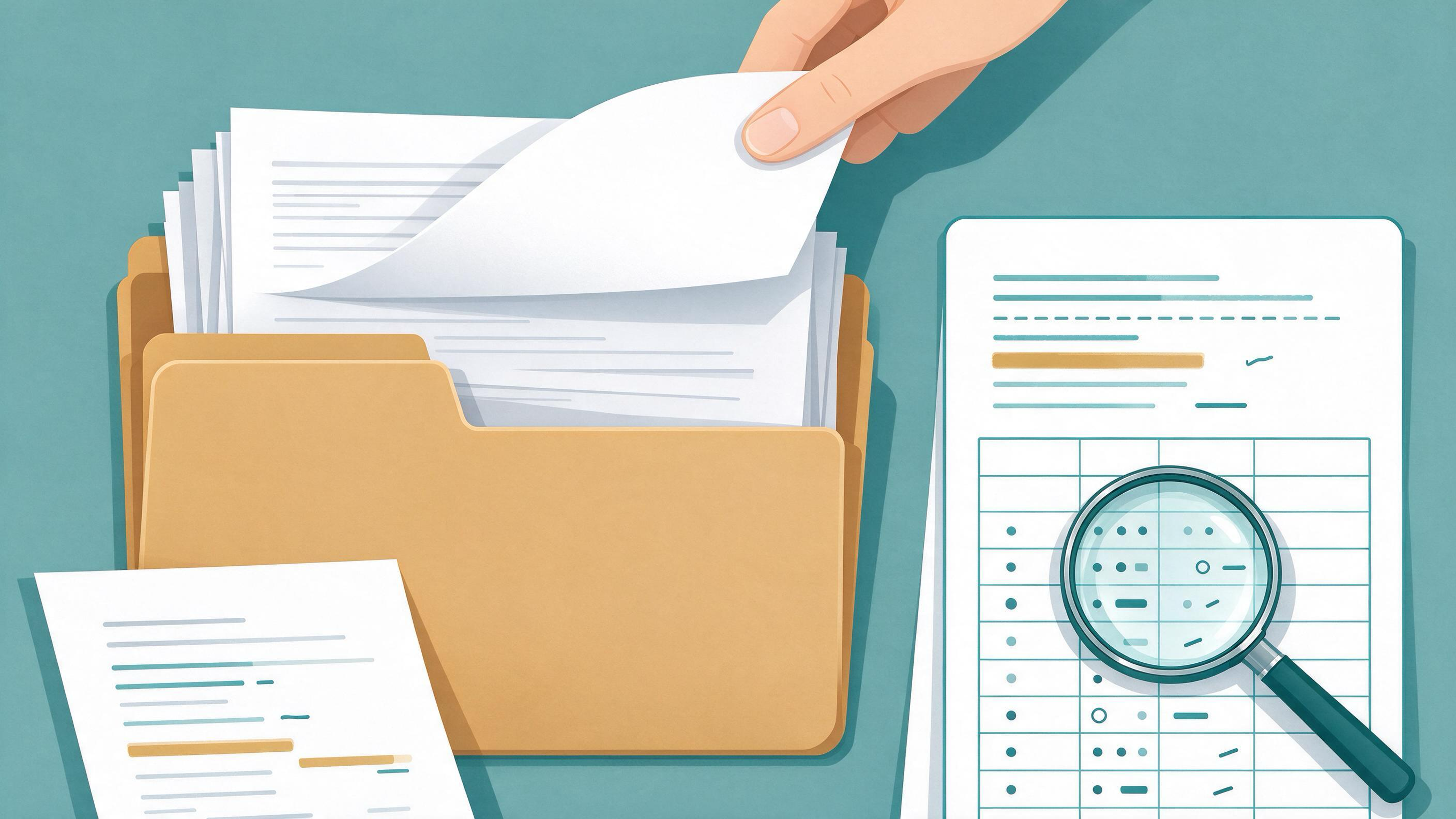
A changed research question does not usually mean the review is wasted. It means the review now has two jobs: keep the old work auditable, and rebuild the search and synthesis around the new question. The practical answe
How to Run a Feasibility Search Before Committing to a Topic
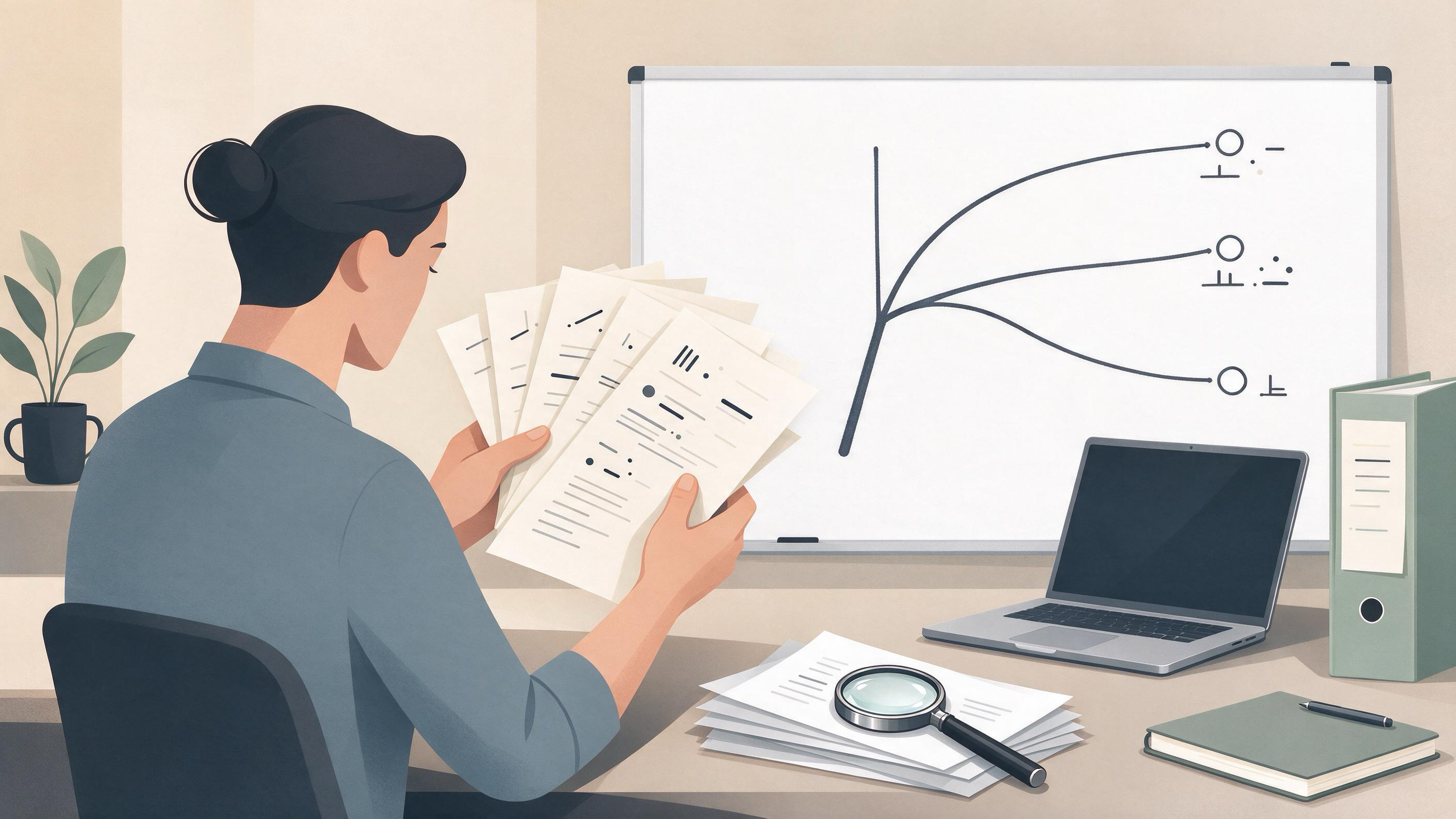
A feasibility search is a bounded, documented scoping search you run before you commit a manuscript, a coauthor team, or a lab handoff to a topic. Its job is not to prove your idea is novel. Its job is to answer three pr
How to Separate Foundational Papers from Merely Popular Papers
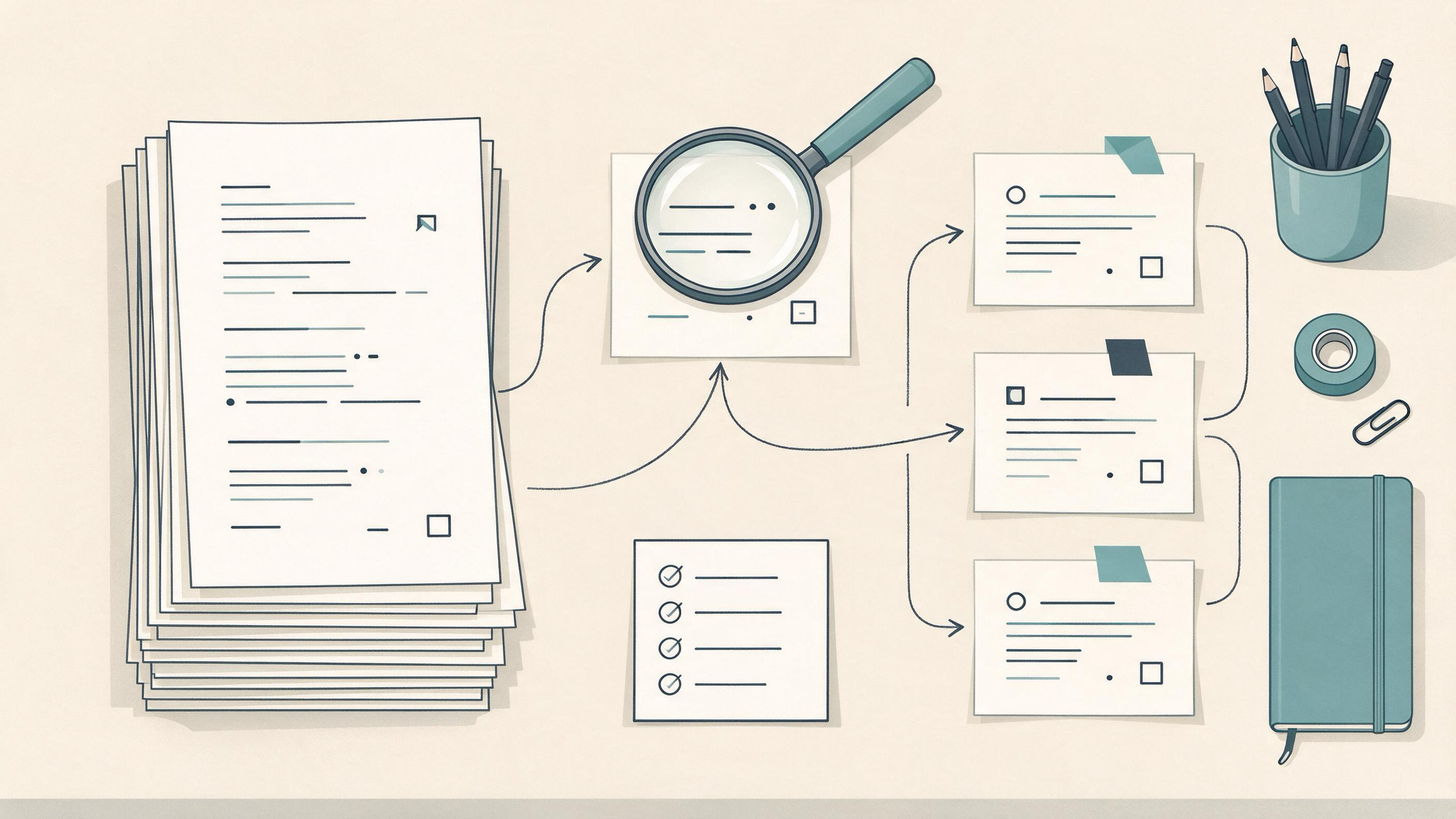
A paper with a high citation count is not automatically the paper your argument needs. Foundational work earns its place because later studies build on it, replicate it, or define a field's terms; popular work may simply

How to Stop Writing a One-Study-at-a-Time Literature Review
A one-study-at-a-time review reads like a stack of paper summaries: Study A found this, Study B found that, Study C found something else. It is easy to write and hard to use, because the reader still cannot see what the

How to Trace a Guideline Recommendation Back to Its Evidence
Tracing a guideline recommendation back to its evidence means reconstructing the chain from a specific recommendation statement to the studies that support it, then judging how well those studies fit the population and o

How to Track Terminology Changes Across Decades of Research
A term that names your topic today may have carried a different meaning, or no meaning at all, thirty years ago. Tracking terminology across decades means building a search and documentation method that captures those sh

How to Track Who Verified Each Claim in a Team Project
A claim tracker answers one question fast: for every factual sentence in the draft, who checked it, against what source, and when. The practical way to build one is to treat verification as a small, repeatable workflow r

How to Turn a Broad Reading List into Weekly Research Questions
A broad reading list is a starting condition, not a research plan. The practical move is to convert that list into a small set of answerable questions, one week at a time, each tied to a defined population, a defined out