

How to Connect Evidence Across Literature Review Sections
A literature review rarely fails because the sections are empty. It fails because the sections do not talk to each other: the background cites one set of papers, the methods section cites another, the discussion introduc

How to Convert Highlights into Structured Research Notes
Highlighting is the easy part. A PDF full of colored passages is not a research note; it is raw material that still has to be sorted, labeled, and connected to a question. Converting highlights into structured notes mean

How to Create a Final Evidence Snapshot Before Submission
A final evidence snapshot is the frozen, self-describing record of what your deliverable rests on: the sources you used, how you found and screened them, what each one supports, and how confident you are in each claim. I

How to Create a Seed Library for a New Topic
A seed library is the small, deliberate core of sources you assemble when you enter an unfamiliar topic and need to move toward a manuscript, a review, a coauthor handoff, or a reproducible search. It is not a finished b

How to Find the Core Debate in a New Research Area
Entering an unfamiliar research area feels like walking into a conversation already in progress. The practical goal is not to read everything. It is to identify the central disagreement, understand what kind of evidence
How to Identify the Papers Everyone in a Field Keeps Citing
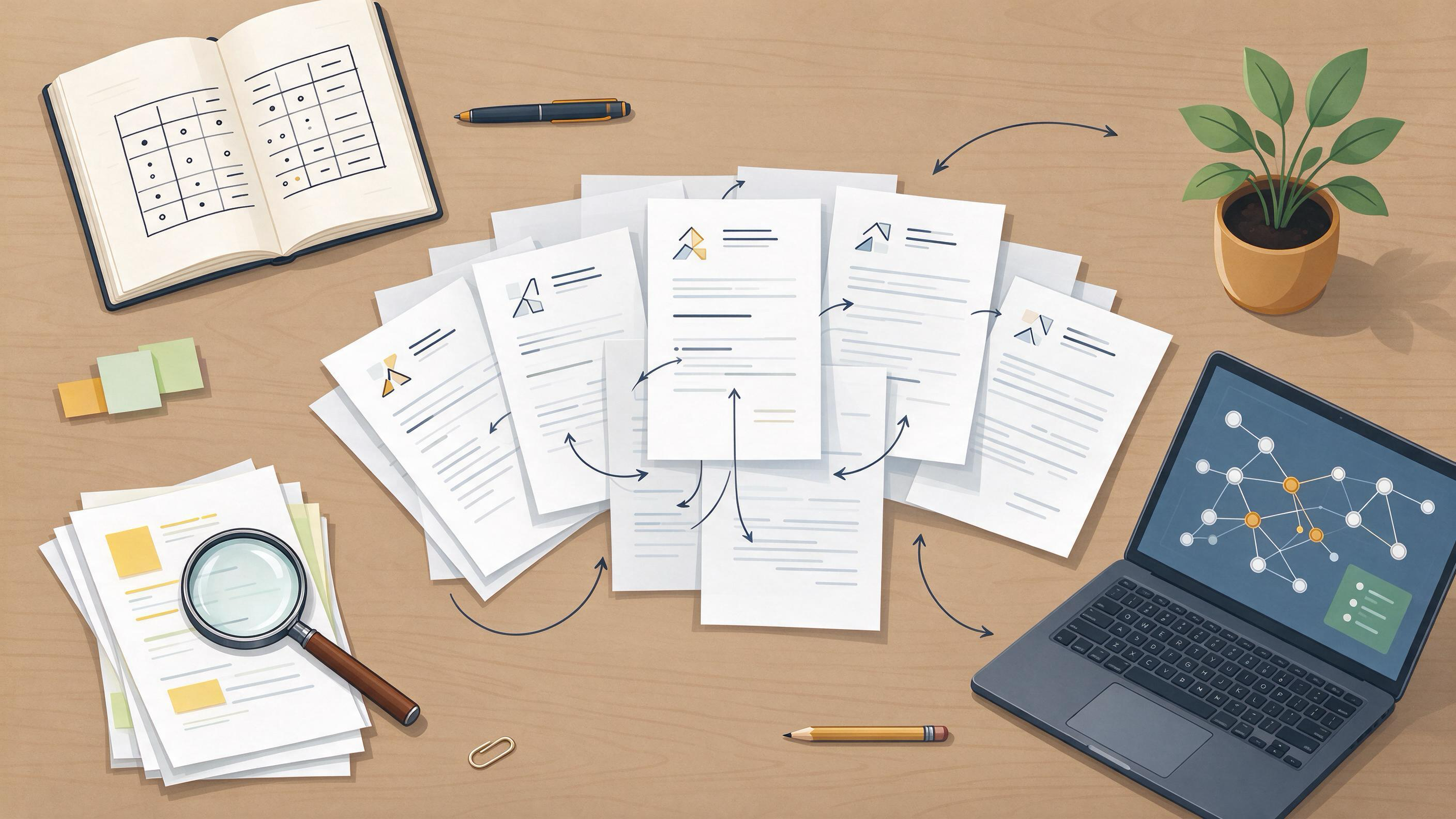
Every field has a small set of papers that keep surfacing: in introductions, in method sections, in the reference list of the review you were just handed, and in the polite aside from a coauthor who says "you've read the

How to Keep Citations Attached to the Right Claims During Revision
Revision breaks citation-claim links quietly. A sentence gets reworded, a paragraph is reordered, a coauthor merges two claims, and the reference that once supported the point now sits beside a claim it never made. The f
How to Map an Unfamiliar Research Field in One Week
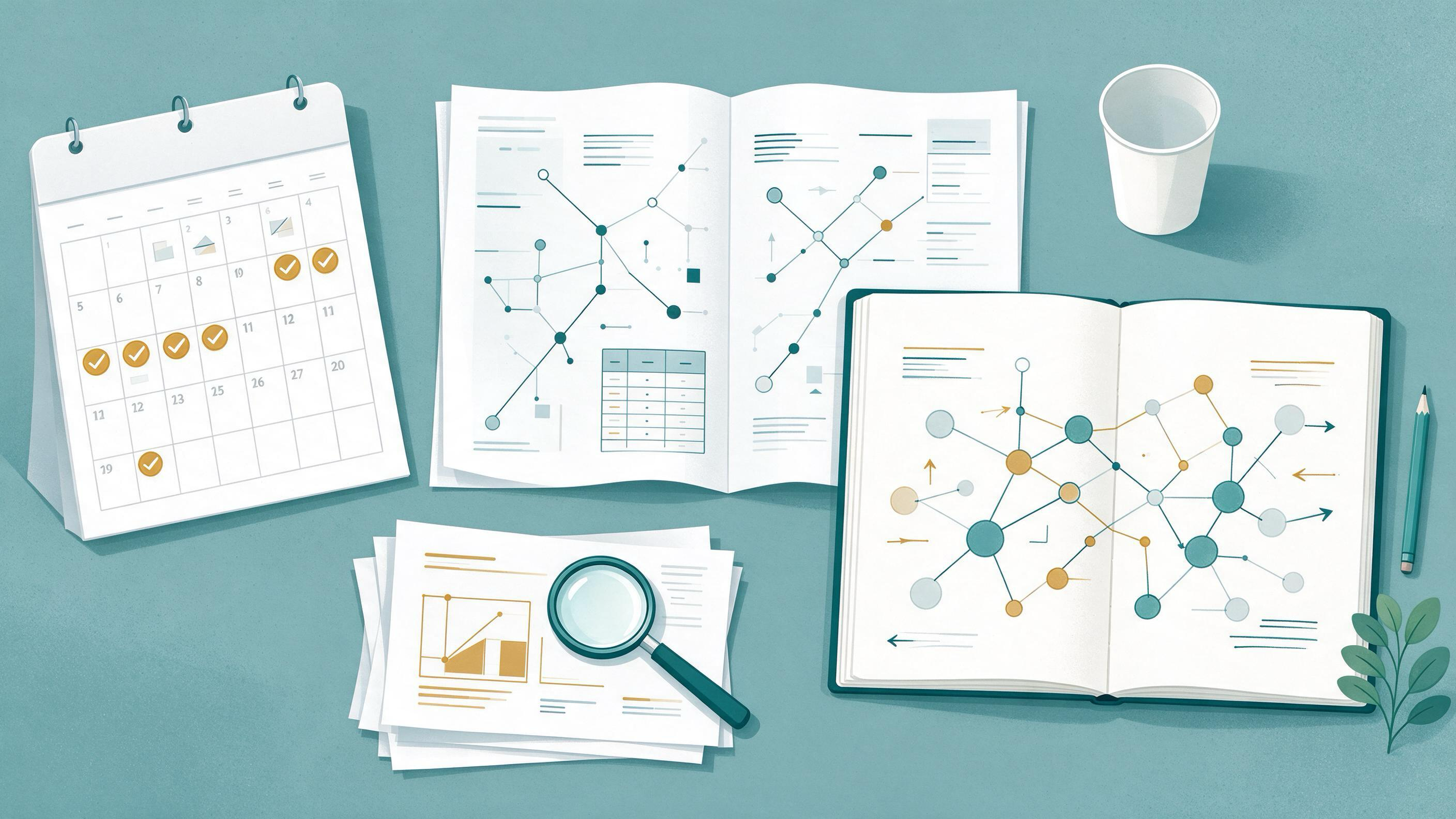
Mapping an unfamiliar field in one week is a scoping task, not an exhaustive review. The goal is a defensible map: a documented search, a shortlist of anchor studies, a clear picture of the main evidence streams, and a w

How to Merge Duplicate Notes Without Losing Useful Context
Duplicate notes usually appear for a predictable reason: the same paper, idea, or supervisor comment gets captured more than once, in different places and at different moments. One copy lives in a reading list, another i

How to Onboard a New Collaborator to a Literature Review
Onboarding a new collaborator to a literature review means transferring not just a folder of PDFs but a working method: the eligibility criteria, the search logic, the screening decisions already made, and the evidence t