
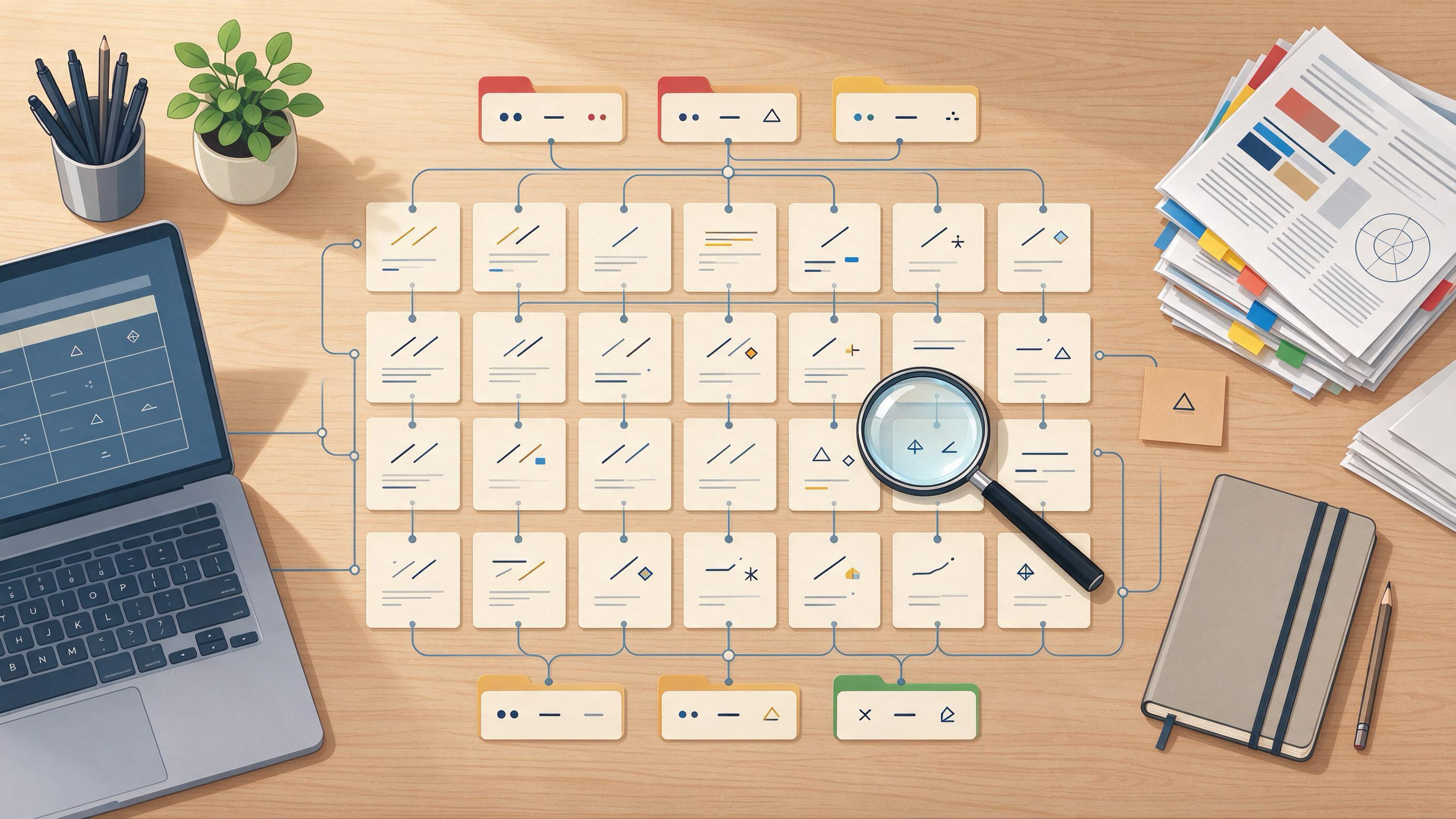
How to Organize Research Papers for a Thesis
Organizing research papers for a thesis means turning a pile of PDFs and half-remembered citations into a structured, documented evidence base that maps onto your chapters. The practical answer is a repeatable pipeline:

How to Plan the First Search for a New Thesis Topic
A new thesis topic rarely arrives fully formed. More often you have a rough direction, a supervisor's comment, or a folder of half-read papers, and you need to find out whether the topic is real, crowded, or still open.
How to Prepare a Clean Source Pack for a Coauthor
A source pack is the bundle of records, files, and notes that lets a coauthor see exactly what you searched, what you kept, what you set aside, and why. A clean pack answers those questions without a meeting. It is the d

How to Prepare a Clinical Evidence Brief for a Team Meeting
A clinical evidence brief is a short, decision-oriented document that tells a team what the evidence says about a focused question, how strong and how applicable that evidence is, and what the team should discuss next. P

How to Prepare a Research Draft for Supervisor Feedback
A supervisor's time is the scarcest resource in your project. The difference between feedback that moves your thesis forward and feedback that stalls it is rarely the quality of your prose — it is whether the draft arriv
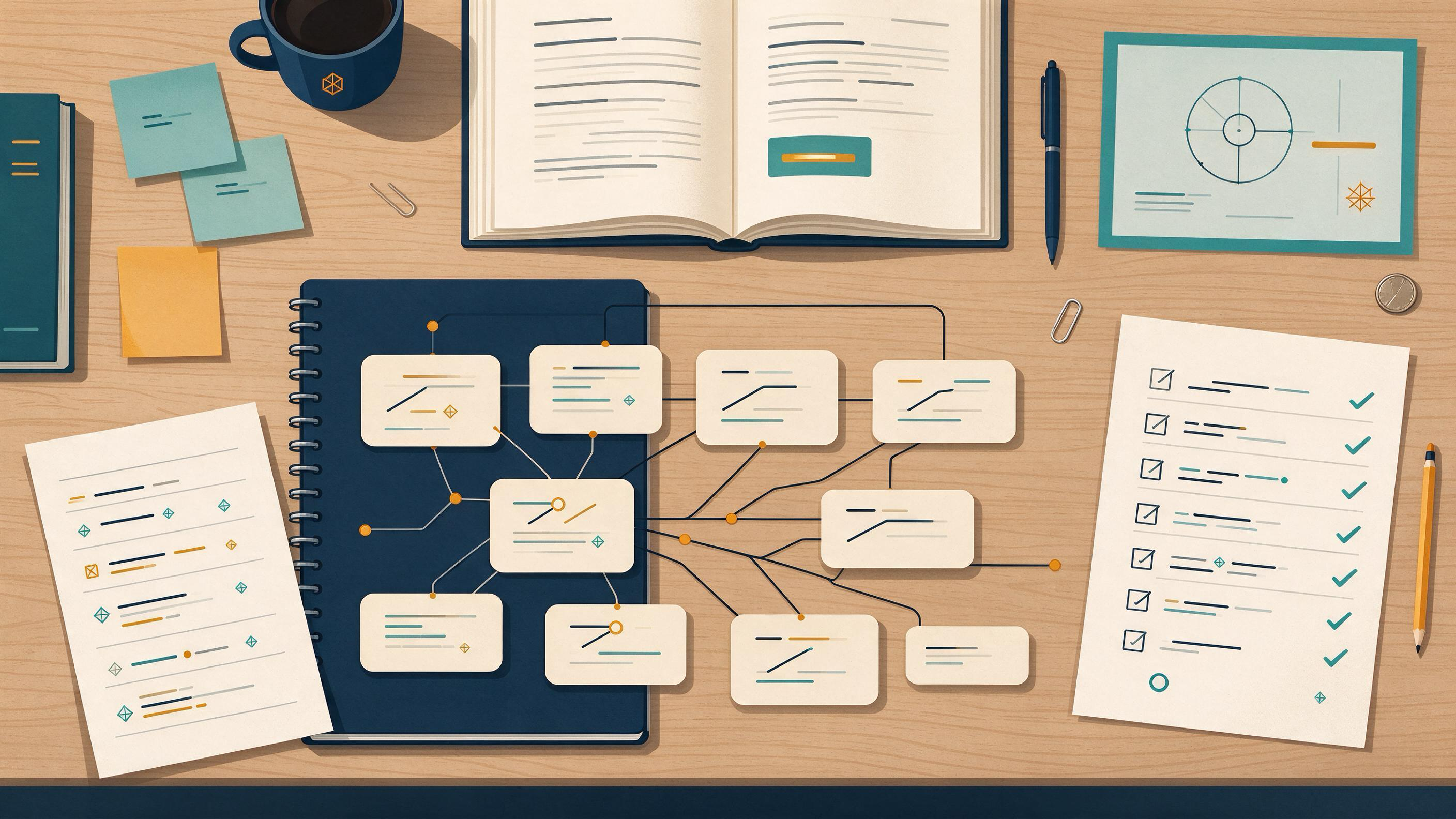
How to Prepare the Literature Check for a Replication Study
A replication study stands or falls on whether you can show that you knew what the original study claimed, what later work said about it, and where your search stopped. The literature check is the part of the project tha

How to Preserve Your Research Trail for a Future Update
A future update is any moment when you must return to a finished or paused project and change it: a supervisor asks for a revised chapter, a reviewer requests a new search, or you restart a paper after a break. The pract
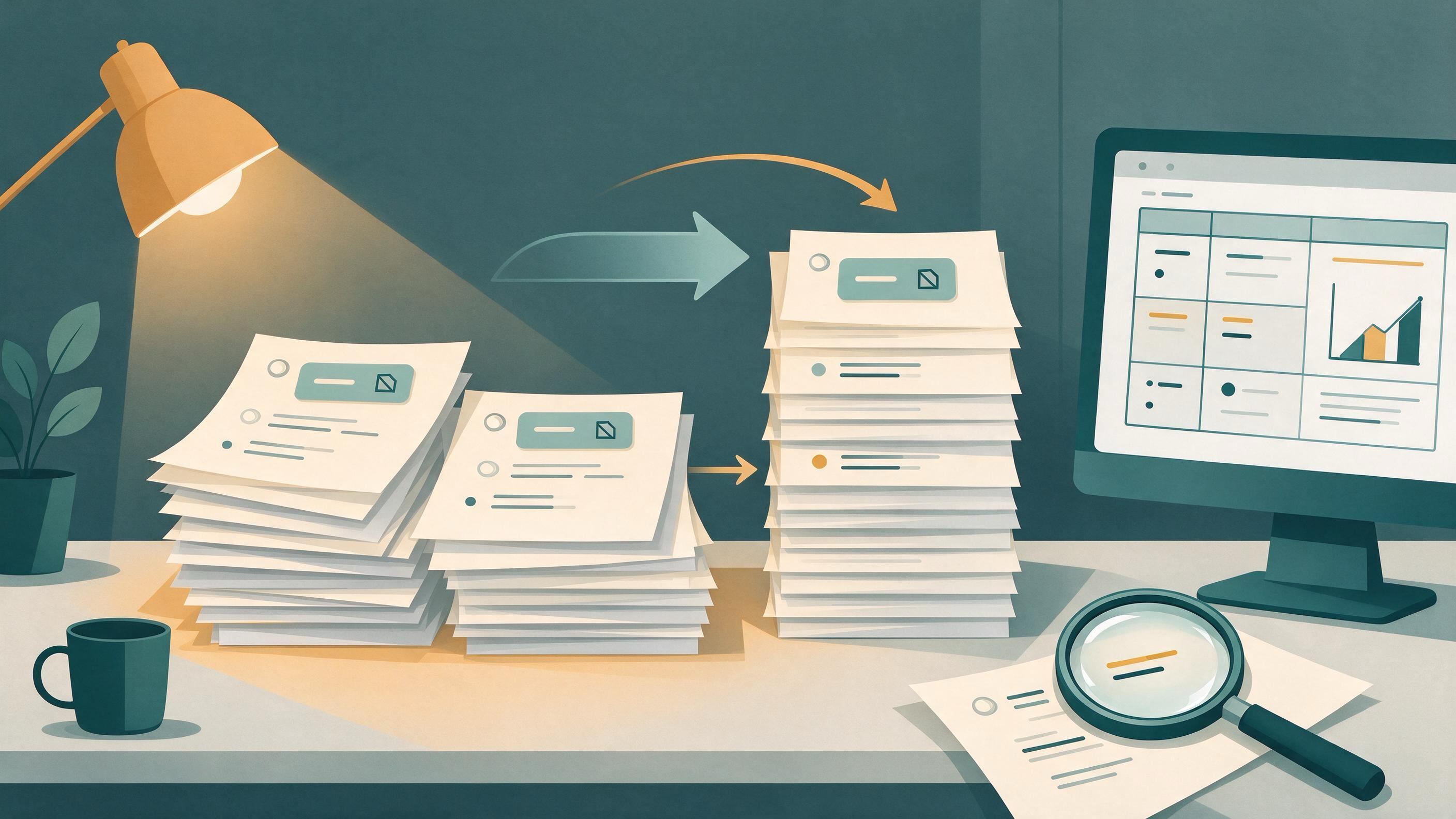
How to Reconcile Two Coauthors' Reference Libraries
Two coauthors can each hold a defensible reference library and still produce a merged bibliography that is wrong. The usual failure is not missing papers; it is duplicate records that look different, identifiers that poi

How to Recover the Logic of an Old Research Project
An old project rarely fails because the ideas were bad. It stalls because the reasoning that connected the question, the search, the screening decisions, and the draft has gone quiet. Recovering that logic means rebuildi

How to Restart a Literature Review After a Long Break
A long pause does not erase the work you did; it changes what you can trust. Notes may be stale, saved searches may have drifted, and the question itself may have sharpened. The practical way back is not to reread everyt