
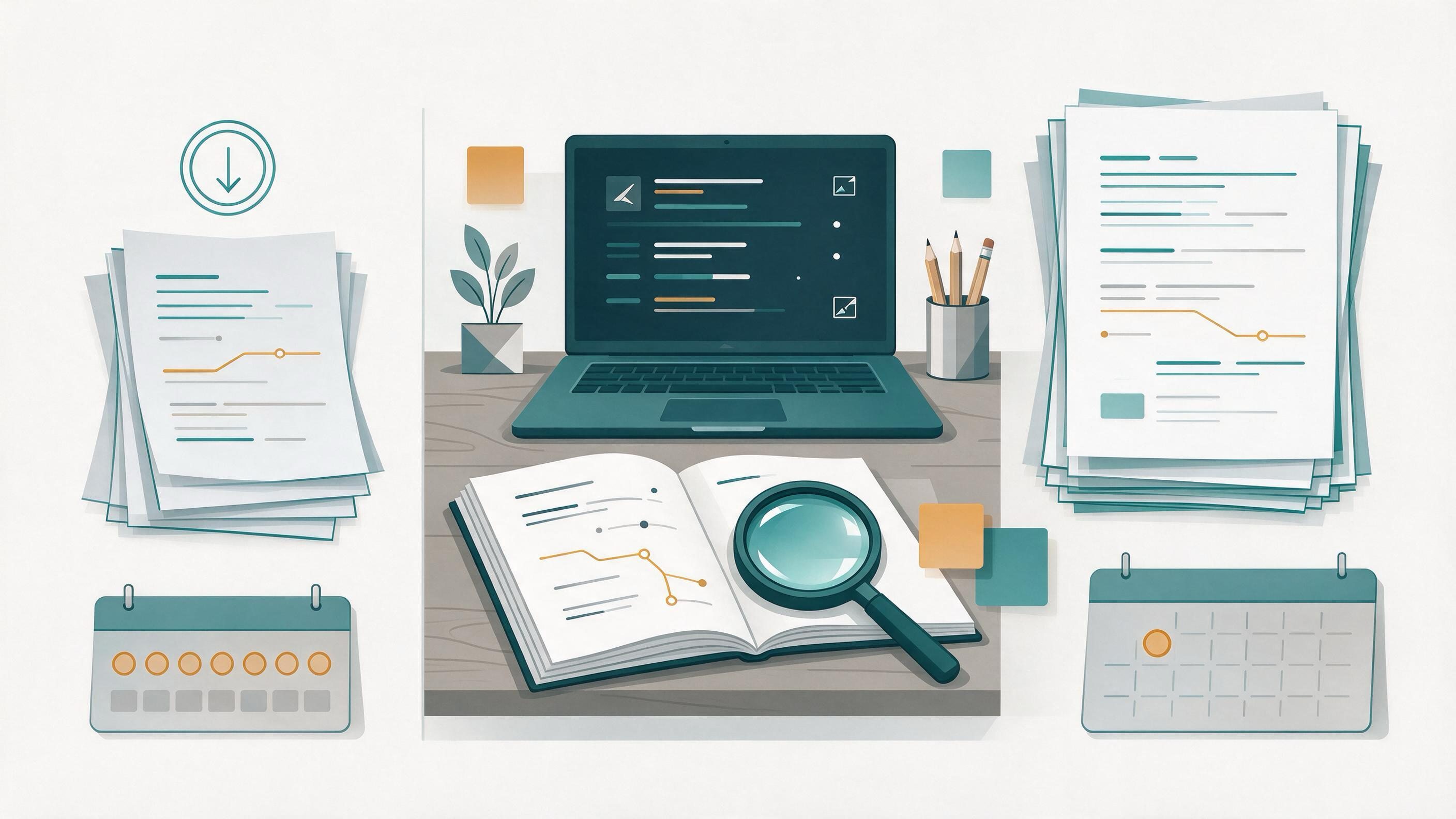
Weekly Literature Alerts vs. Monthly Search Updates: Choosing a Cadence for Your Next Project
You have a draft in hand—a course paper, a thesis chapter, or a first manuscript—and you are about to start the next project. The question is how to keep the literature current without letting searching become a second j
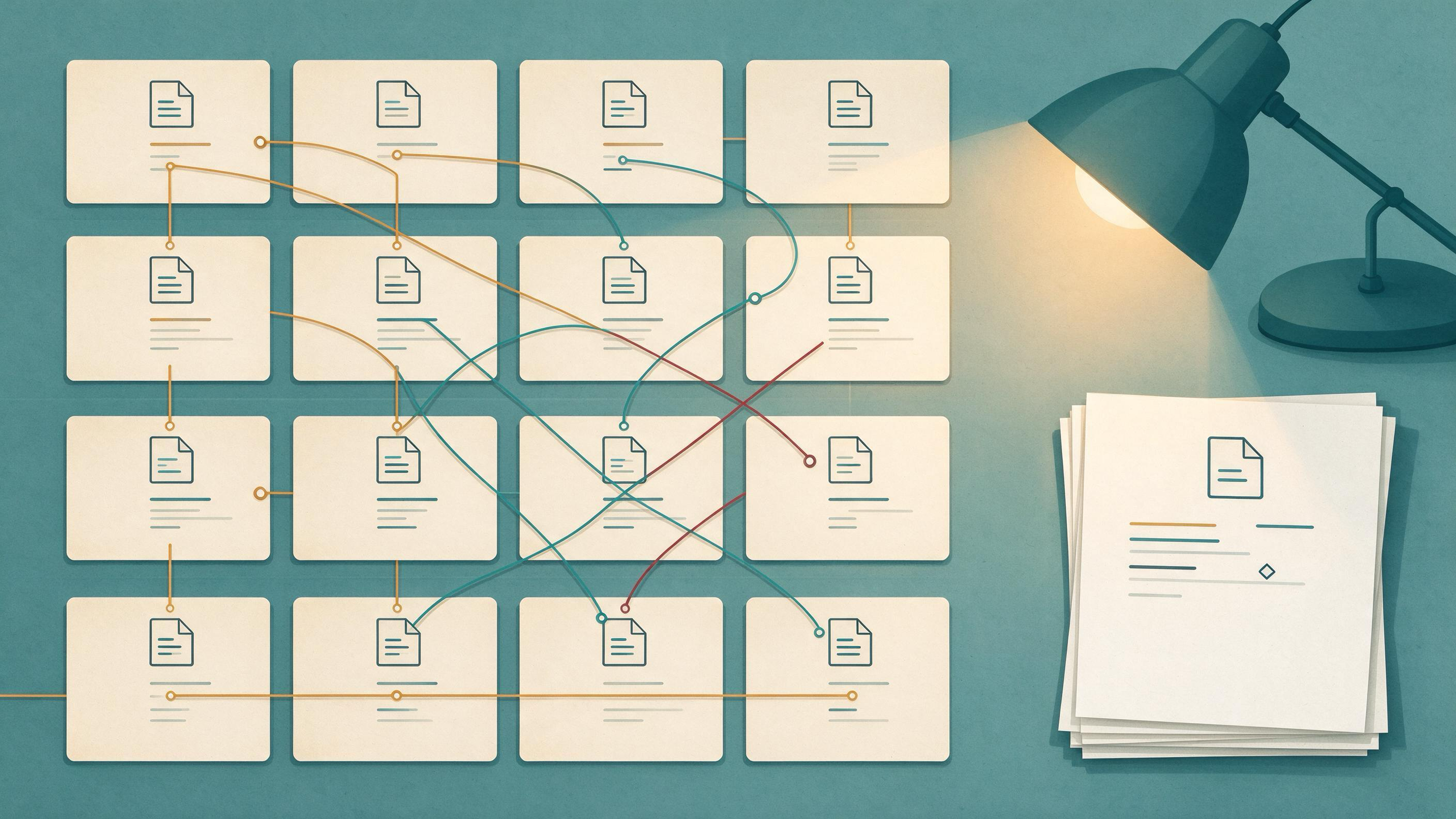
You Can Summarize Every Paper but Still Cannot Explain the Pattern
You have a folder of clean one-paragraph summaries, one per paper. You can describe any single study on request. What you cannot do is say what the body of work, taken together, actually shows — where the studies agree,
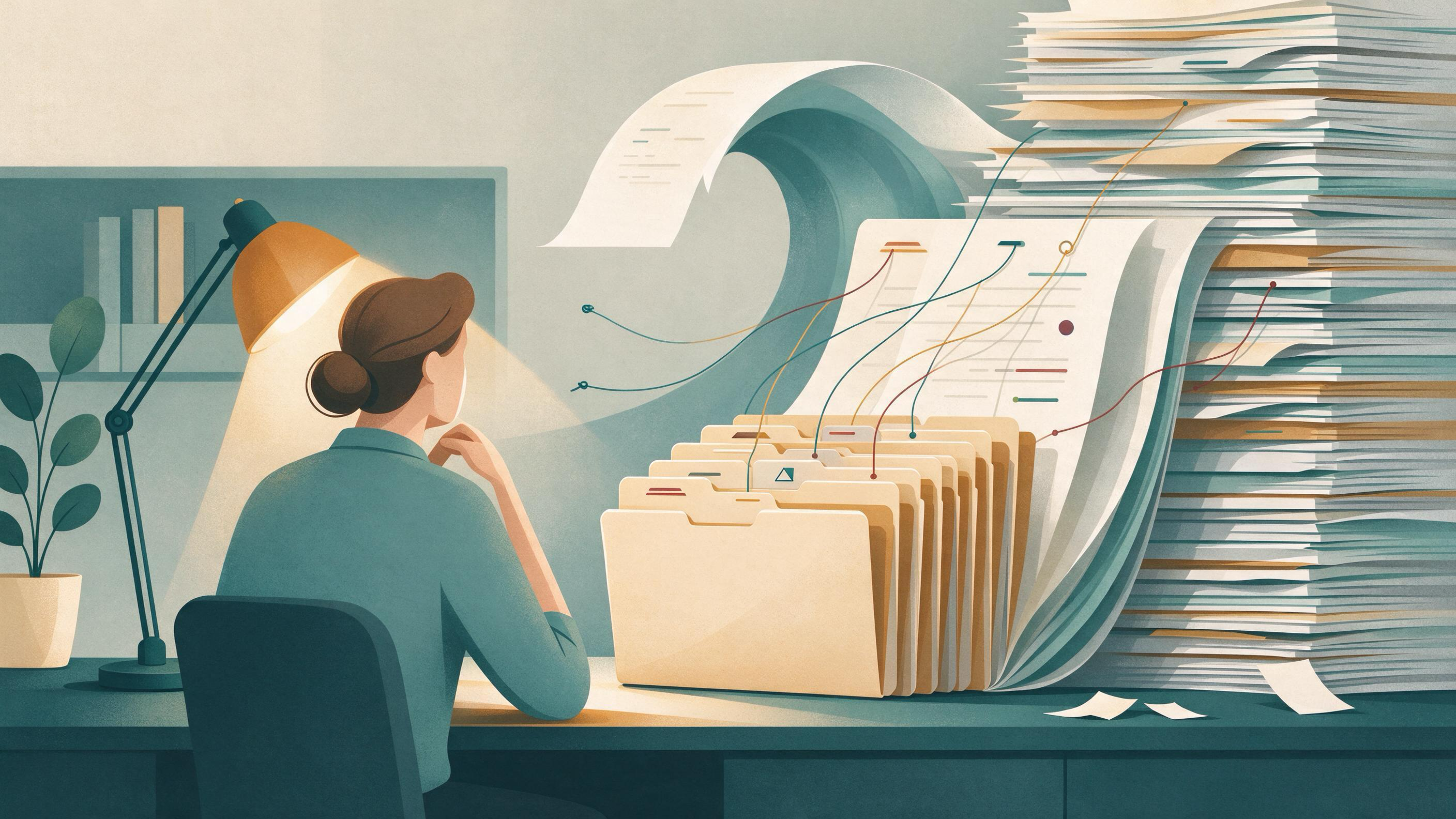
You Have 300 Saved Papers and No Reading Priority
A library of 300 saved papers is not a reading list. It is a pile. The pile grew because saving was cheap and deciding was expensive: every search result that looked relevant went into a folder, and no one ever asked whi
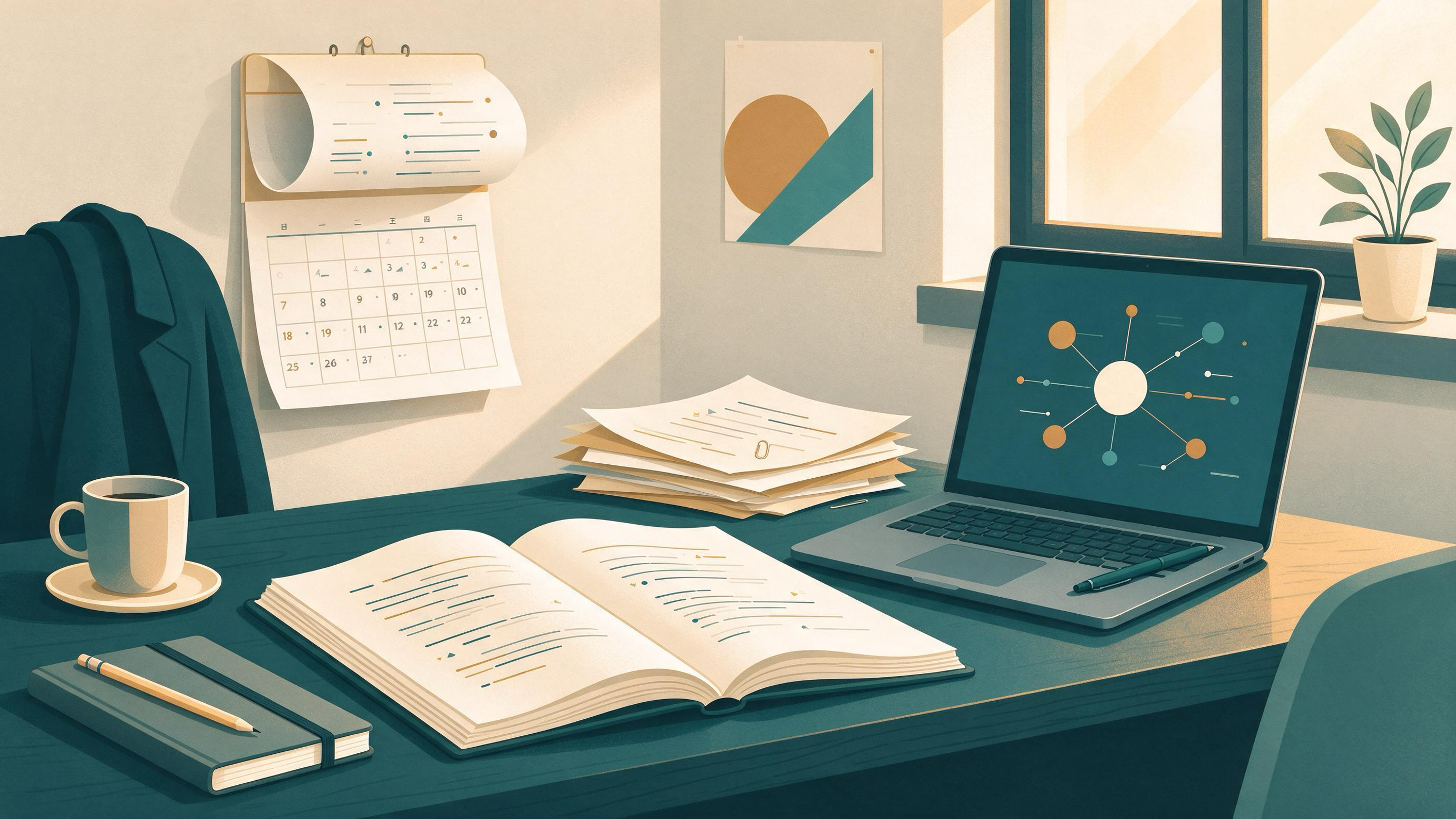
You Return to a Thesis Chapter After Six Months Away
You open the file and the cursor sits where you left it in June. The chapter has a title, three sections, a comment from your supervisor you no longer understand, and a reference list you cannot vouch for. The task is no
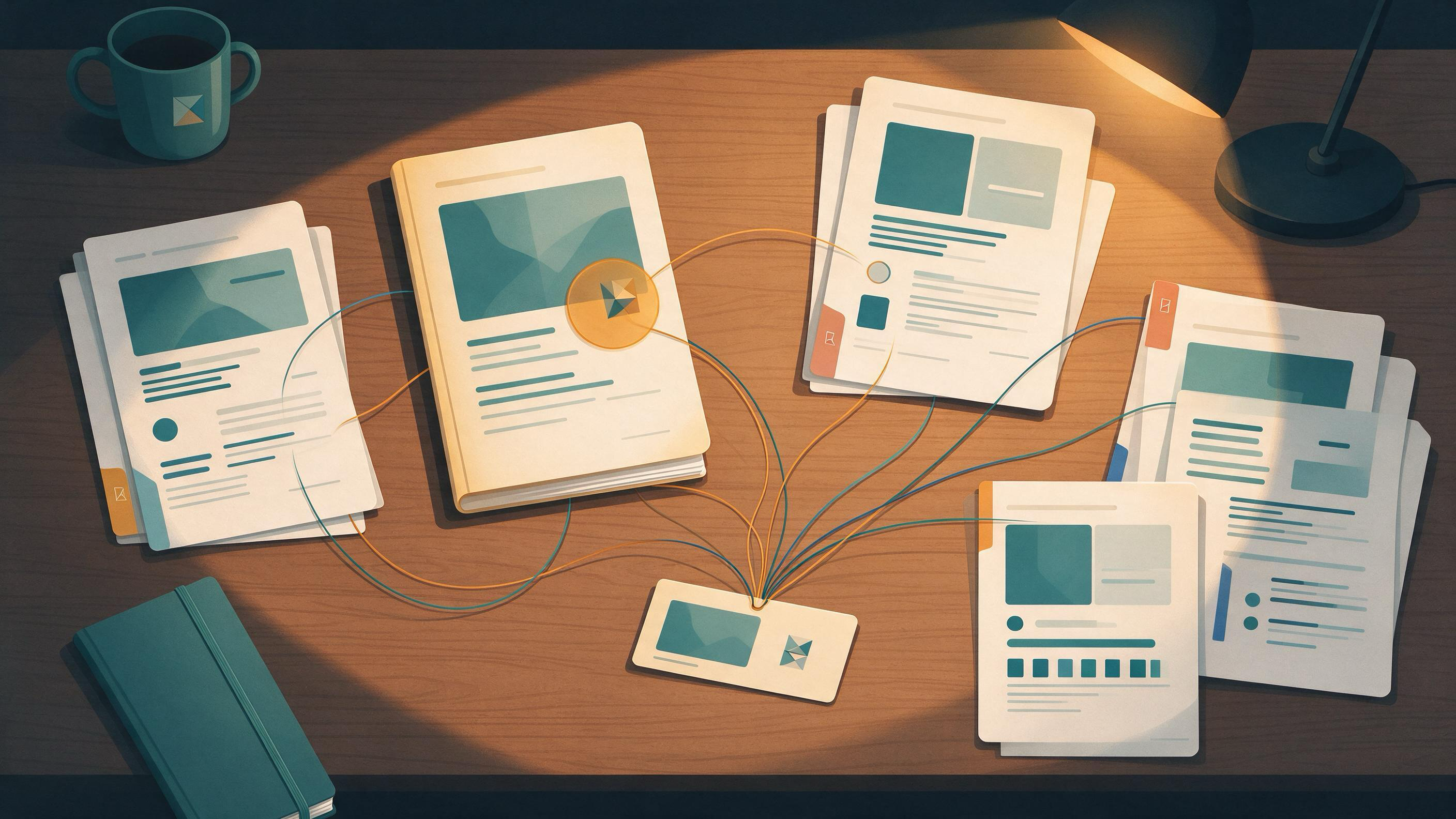
Your Client Deck Uses a Number from an Unknown Version of a Report: A Provenance Repair Playbook
A figure is sitting in slide 14 of a client deck. It has a citation, but the citation points to a report title with no version, no date, and no page. Someone on the team pulled it months ago, and nobody can say whether i
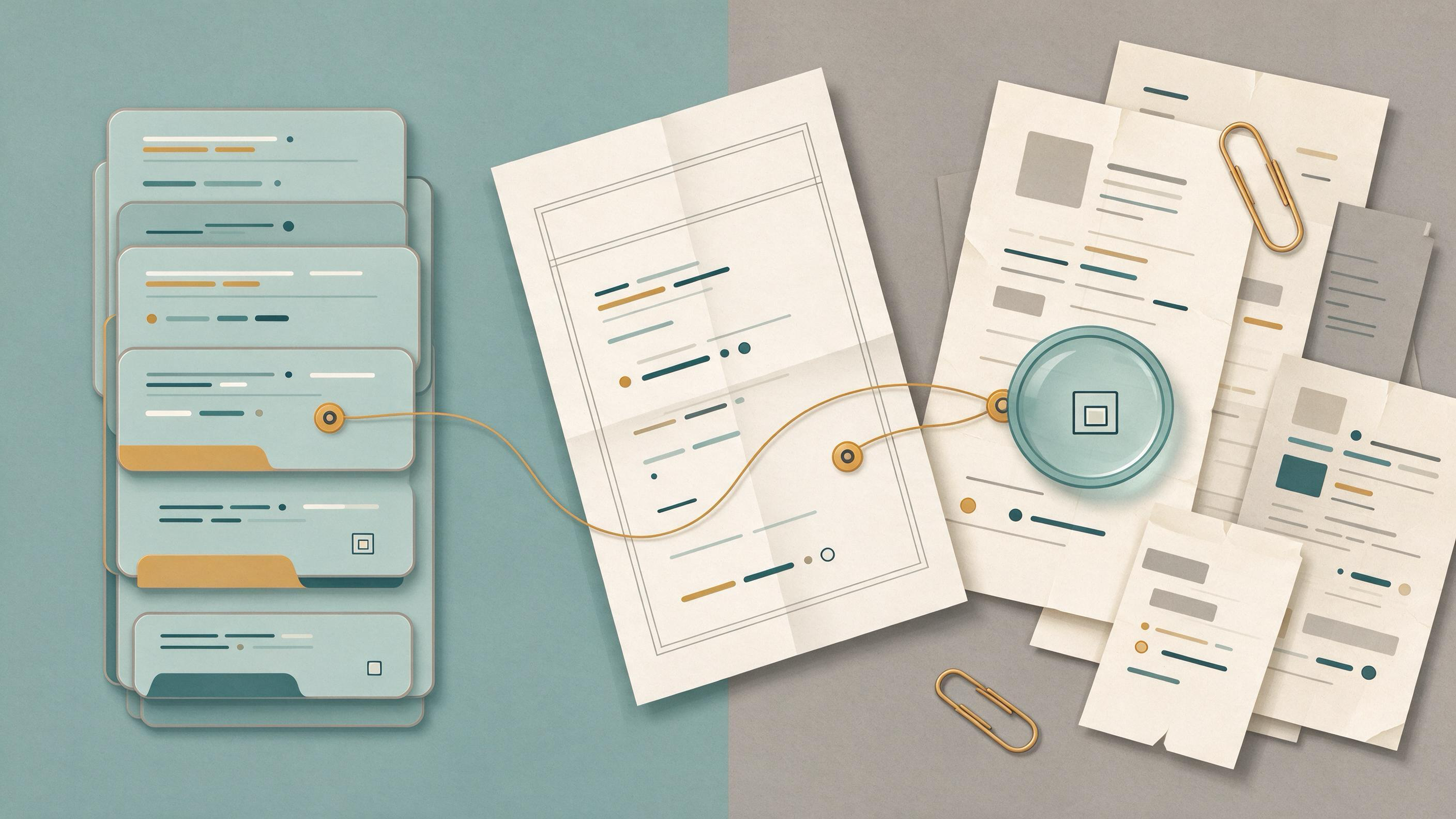
Your Reference Manager and Shared Folder Disagree: Repairing a Manuscript's Evidence Trail
A reference manager and a shared folder usually drift apart for a mundane reason: they store different things. The reference manager holds bibliographic records and citation keys. The shared folder holds PDFs, drafts, no
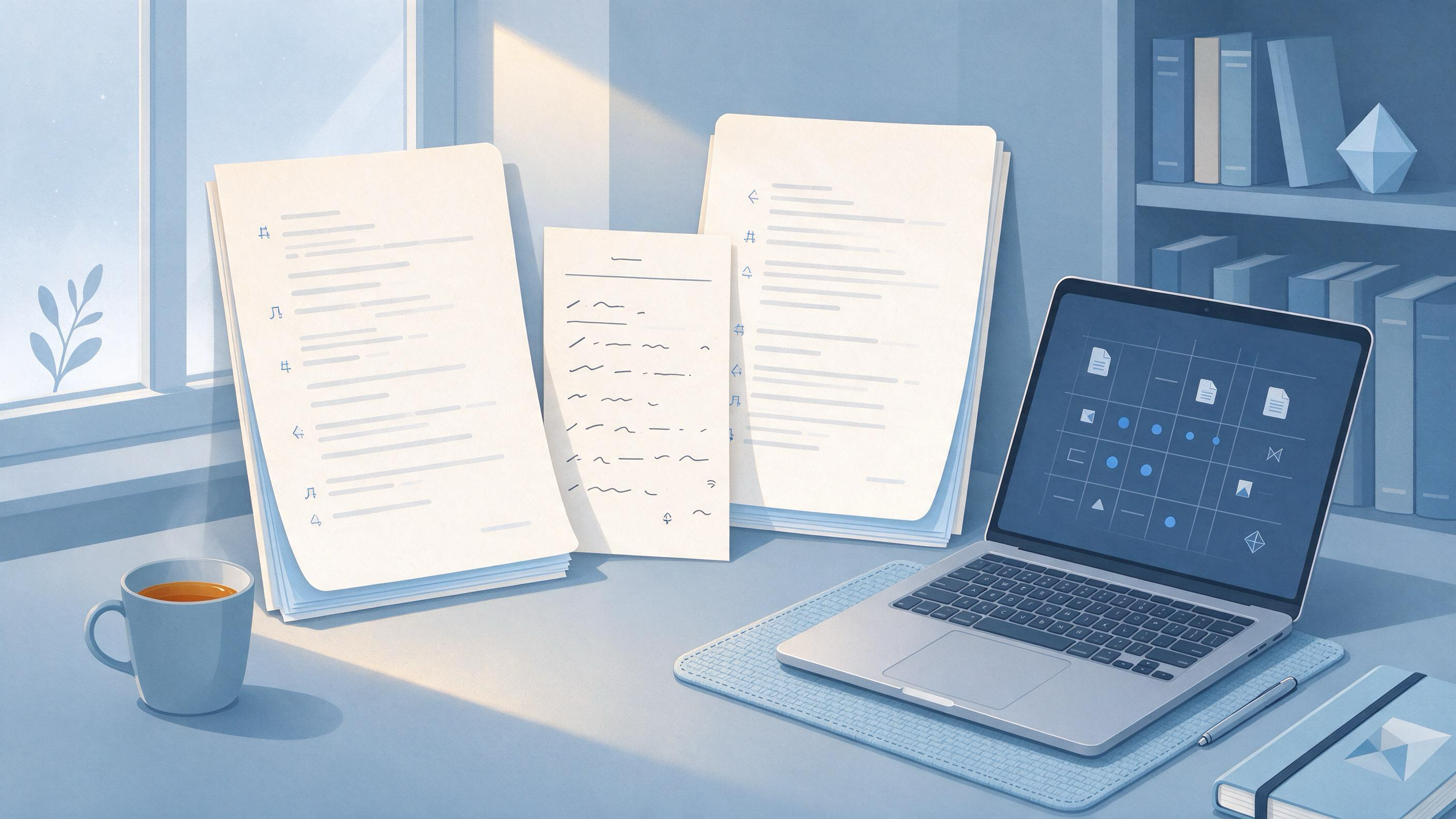
Your Supervisor Asks What Changed Since the Last Draft
A supervisor's question about what changed since the last draft is not a request for reassurance. It is a request for a defensible record: which claims moved, which evidence arrived, which sections were cut, and what you
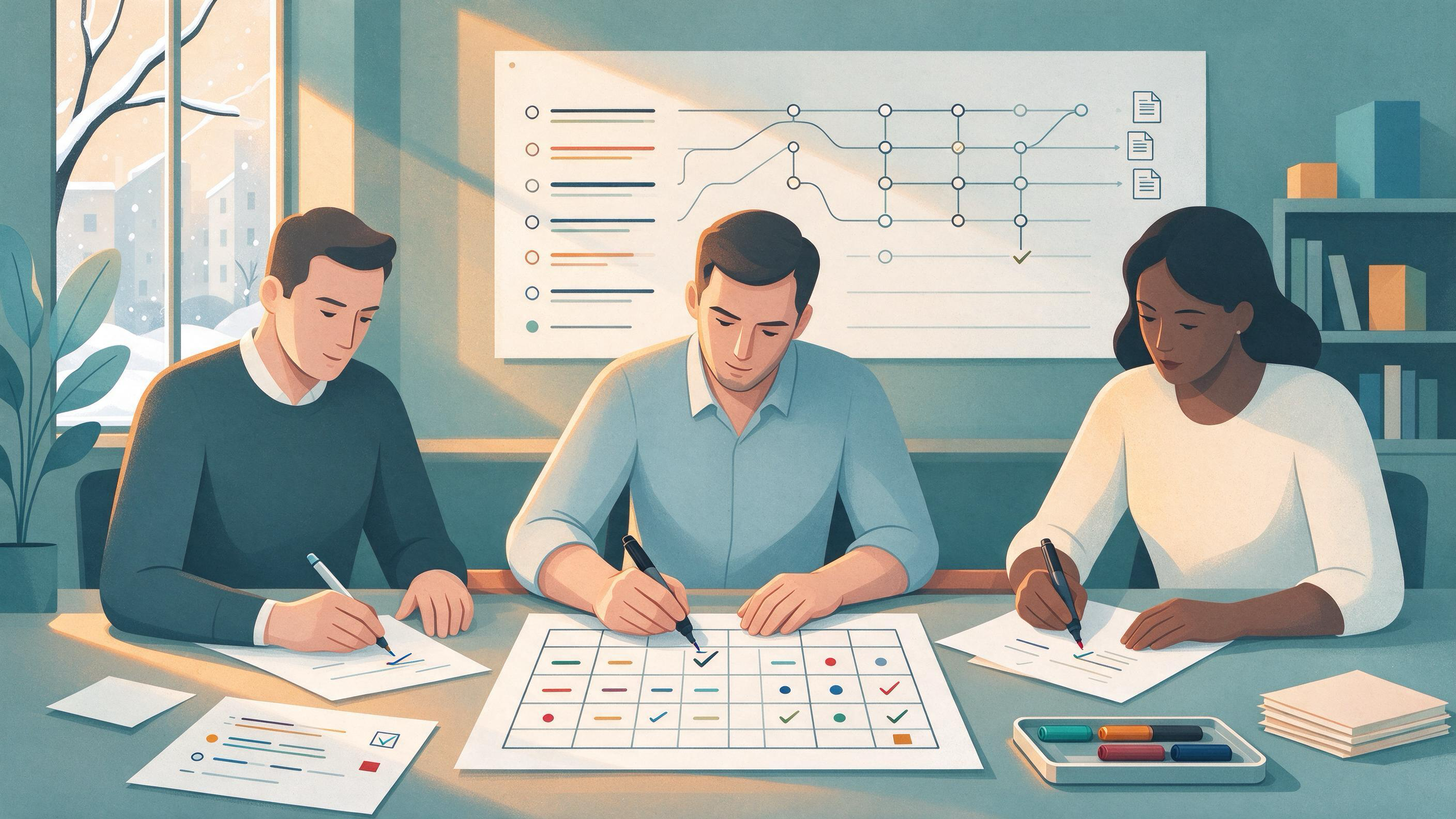
Your Team Cannot Tell Which Sources Were Actually Checked
A shared folder full of PDFs feels like progress. But when a teammate opens the folder in January and asks "which of these did anyone actually read, and which ones support the claim in paragraph three?" the honest answer